
Indemnification clauses in venue contracts, in plain English
The indemnification clause decides who pays when someone gets hurt or something breaks. Most are written to make you cover the venue for its own mistakes. Here is how to read the three flavors and the one edit that makes it fair.
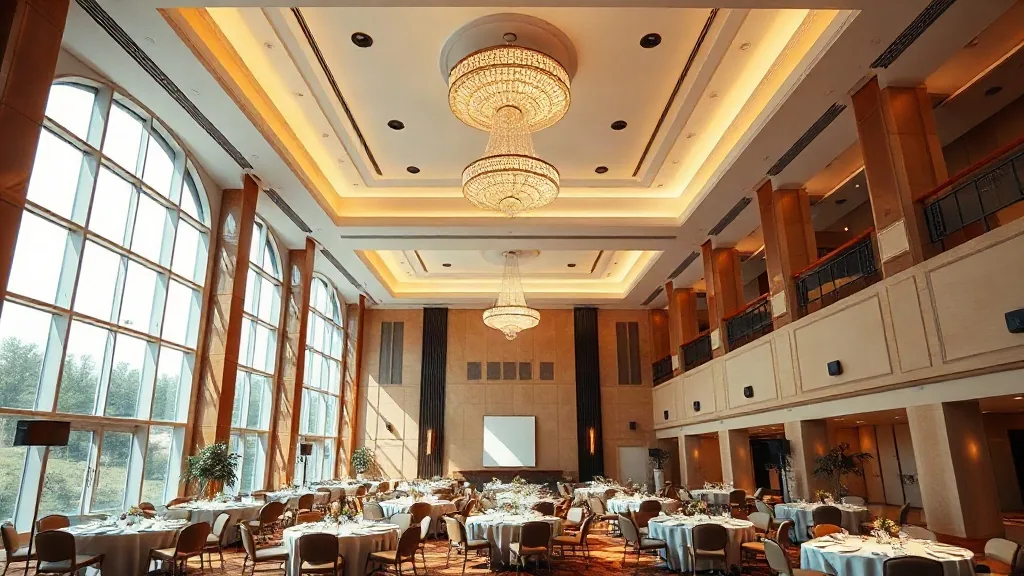
Our association’s general counsel stopped a contract signing over a single sentence last year. The venue’s indemnification clause required us to “defend, indemnify, and hold harmless” the venue against any claim arising from the event, full stop, with no carve-out for the venue’s own negligence. In plain terms, if a member tripped on a torn carpet the venue failed to repair, we would pay to defend the venue for the venue’s own maintenance failure. Counsel struck four words, the venue accepted it in an hour, and the deal closed. That edit cost nothing and moved real liability off our books.
Indemnification is the clause that decides who pays when things go wrong, and it is written by the venue’s lawyers to favor the venue. For events, where you have hundreds of people, alcohol, staging, and someone else’s building, this is not abstract. It is the paragraph most likely to cost your organization money, and most planners skim it because the language is dense on purpose.
What “indemnify” actually means
To indemnify someone is to agree to cover their losses. If you indemnify the venue, and a claim arises, you pay the venue’s costs: the legal defense, any settlement, any judgment. “Hold harmless” is the companion phrase, and it means you agree the venue is not responsible to you for those losses. “Defend” adds the duty to pay for their lawyers from the first day of a claim, before anyone decides who was at fault.
Those three verbs, “defend, indemnify, and hold harmless,” travel together in almost every venue contract. Read as a unit, they mean: if something happens at your event, you are on the hook for the venue’s legal bills and payouts, to the extent the clause says so. The entire negotiation is about that last phrase, the extent, because there are three common versions and they are not close to equal.
The three flavors, from worst to fair
Indemnification clauses come in three shapes, and knowing which one you are signing is the whole game.
The first and worst is broad-form indemnification. You cover the venue for everything, including the venue’s own negligence. This is the version our counsel struck. If the venue’s staff over-serves a guest, or their crew rigs a light that falls, you still pay. Some states limit or void broad-form clauses for exactly this reason, but plenty of contracts include them and dare you to notice.
The second is intermediate-form. You cover the venue except where the venue was solely negligent. Better, but the word “solely” is a trap, because most incidents have shared fault, and shared fault under this language still lands on you.
The third and the one to aim for is comparative or mutual indemnification. Each party covers claims arising from its own negligence. You cover your acts, the venue covers theirs, and where both contributed, each pays its share. This is fair, it is standard in well-negotiated contracts, and it is what a reasonable venue will accept when you ask.
Reading which flavor you are holding is a skill worth building, and it sits inside the broader contract read I run on every deal, laid out in how to read a venue contract before signing. The indemnification paragraph is one of the first places I look, right alongside the items in contract red flags I look for in the first five minutes.
The one edit that makes it fair
You do not need to rewrite the clause. In most cases you need to add a single qualifier that carves out the venue’s own negligence. The edit reads roughly: “except to the extent such claims arise from the negligence or willful misconduct of the venue, its employees, or its agents.”
That phrase turns a broad-form clause into something workable. It says you will stand behind your own event, your own attendees, your own decisions, and the venue will stand behind its building and its staff. No reasonable venue objects to being responsible for its own negligence, and the ones that do object are telling you something about how they see the relationship. When our counsel struck four words, that qualifier is functionally what replaced them, and the venue signed within the hour.
Why this matters more for certain venues
The indemnification exposure is not the same across venue types, and I weight my attention accordingly.

At a conference center or a hotel or resort with professional risk management, the building is maintained, the staff is trained, and a mutual clause is usually available for the asking. The exposure is real but the venue is a sophisticated counterparty.
At a historic mansion or a one-off unique space, the picture shifts. These venues often have irreplaceable fixtures, older infrastructure, uneven floors, and a stricter damage regime, and their contracts frequently pair a broad indemnification with a long list of things you will be charged to repair. The combination means a single incident can generate both a liability claim you indemnify and a damage bill, so the indemnification edit matters more, not less, at the charming venue with the antique staircase.
Loop in counsel for the paragraph that pays
For a small internal meeting, you can handle the indemnification read yourself with the flavors above in hand. For anything with real headcount, alcohol, a public audience, or a high-value venue, this is the clause I route to legal, and it is often the only one worth a formal review. Our practice is a short risk pass on the contract before signing, the routine I described in the general counsel event risk review, and indemnification is line one of that review every time.
The reason to escalate this paragraph specifically is bargaining power and timing. Before you sign, a one-sentence qualifier is a friendly redline the venue accepts casually. After you sign, the same change requires an amendment, a new signature cycle, and a venue with no reason to cooperate. The cost of the edit is identical either way; the ease of getting it is not.
Read the verbs, add the qualifier, close the deal
Indemnification is dense, but the practical version fits in a paragraph. Three verbs mean you cover the venue’s losses. Three flavors decide how far that goes, and you want the mutual one. One added qualifier carves out the venue’s own negligence and makes the clause fair. That is the whole method, and it has kept liability off our organization’s books more than once for the price of four struck words.
Tell me your venue type, your headcount, and whether alcohol is on the program. Those three tell me how much indemnification exposure you are actually carrying and whether this is a clause you can handle yourself or one to put in front of counsel before you sign.


