
Internet Outage Mid-Hybrid-Event — and the 5G Backup That Worked
We lost the venue's fiber at 10:23am during a live hybrid session with 140 remote attendees. In 8 minutes we were back up — on 5G cellular. Here's the exact setup that saved it.

I have been doing hybrid event production since before most people called it that. Pre-pandemic I was running what we called “broadcast sessions” — in-room programming with a parallel Zoom feed for remote stakeholders — and the lesson that every one of those sessions taught me, eventually, was that the venue’s internet will fail you exactly when you need it most.
Not always. Not inevitably. But with a frequency high enough that treating it as inevitable is the only rational response.
I was not surprised, in other words, when the fiber went down at 10:23am during the second session of a hybrid leadership summit in San Jose. I was annoyed. I was annoyed because I had a redundancy plan in place and the redundancy plan was about to be tested live, in front of 85 in-person attendees and 140 remote participants who were watching on a platform that was currently showing them a spinning reconnection wheel.
The first eight minutes of that test are what I want to write about.
The event context
Two-day leadership summit. Technology company, San Jose convention hotel. Hybrid from the start — the company had distributed teams across eight time zones and had committed to a fully participatory remote experience, not just a livestream. Remote participants had voting rights in breakout discussions, could submit questions via a moderated queue, and were displayed on side screens in the room during panels. The remote experience was not an afterthought. It was half the event.
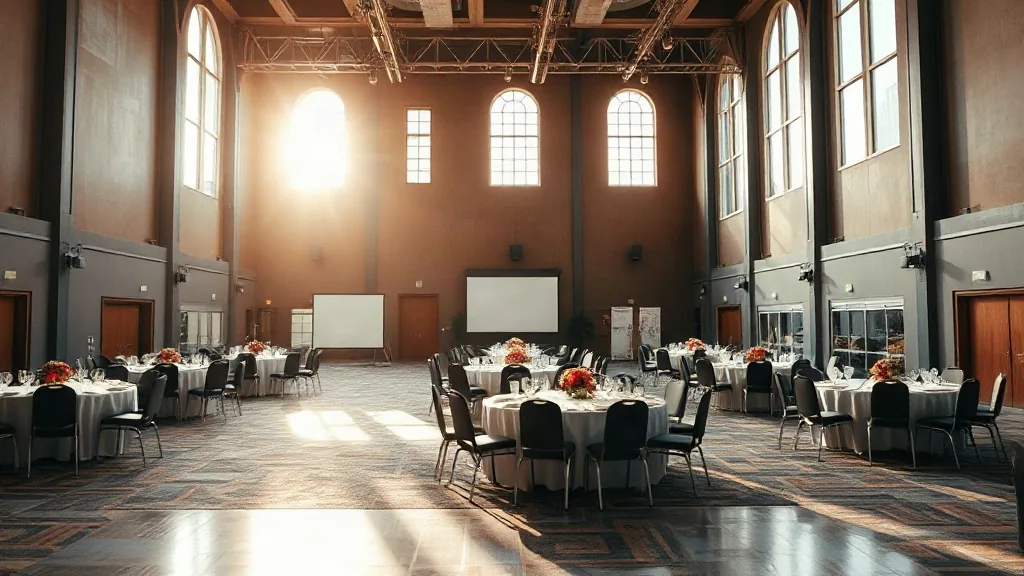
The venue’s internet infrastructure was a fiber connection rated at 500Mbps symmetrical. I had tested it during load-in the previous afternoon: 480 down, 460 up. Clean. I had also brought, as I do for every hybrid event, a cellular bonding device — specifically, a unit that combines multiple LTE/5G cellular signals into a single internet pipe — as a hardware backup.
The cellular device was in my production case. It was configured. I had tested it on two previous events. At 10:23am on Tuesday morning, it was forty-seven seconds from being live.
10:23am — the drop
The fiber outage was clean — not a gradual degradation, but a full drop that hit our monitoring dashboard simultaneously across all connected devices. The venue’s AV tech looked at his laptop. I looked at my laptop. We made brief eye contact.
I said: “Cellular backup, now.”
He said: “On it.”
The cellular bonding device was already powered on — I keep it on and connected to a power source throughout any hybrid event, so the startup time is zero. What remained was swapping the network path for the production system. That is a single switch in our configuration: disconnect from the venue’s wired network, connect to the cellular device’s local wifi hotspot, which is named in a way that I can identify immediately on any production machine.
My lead engineer made that switch at 10:24:06. He confirmed a live connection at 10:24:53. Forty-seven seconds.
The streaming platform had automatically attempted to reconnect when the fiber dropped. With the cellular network now live, the reconnection completed at 10:25:48. From full drop to restored remote stream: two minutes and forty-eight seconds.
The in-person session had not stopped. The panel moderator — who is one of the best corporate moderators I’ve worked with, a DC-based facilitator who treats technical glitches as dead air to be filled — had pivoted immediately to a room question, bypassing the remote queue for approximately ninety seconds. When the remote stream came back up, she acknowledged the remote participants directly: “We’re back — apologies for the brief interruption, and I see we have questions from the digital participants.” Clean. No drama.
What the remote participants experienced
The 140 remote participants saw the spinning reconnection wheel for two minutes and forty-eight seconds. That is not nothing. But it is manageable in a way that ten minutes of outage is not. The platform’s reconnection was automatic — they did not have to refresh or re-enter the event. When the stream restored, the session was mid-conversation and they were back in.
We received four messages in the platform’s chat during the outage. Three were “are you having technical issues?” One was from someone who said they had refreshed and reconnected and was asking if anyone else had the problem. None were expressions of frustration. Two minutes and forty-eight seconds is inside the patience threshold for most professional audiences in 2025.
If that outage had extended to fifteen or twenty minutes, the remote experience would have been materially compromised. The breakout sessions scheduled for the afternoon, which relied on remote participation for their format, might have needed to be restructured.
Why eight minutes versus three minutes
I said the backup took eight minutes in the headline. I want to be honest about that: the two minutes forty-eight seconds was the restoration of the primary remote stream. The remaining five minutes was restoring full functionality — the remote participants’ question queue, the voting system integration, and the side-screen display of remote video feeds, all of which had to reconnect to the new network path individually. By 10:31am, the hybrid setup was fully functional.
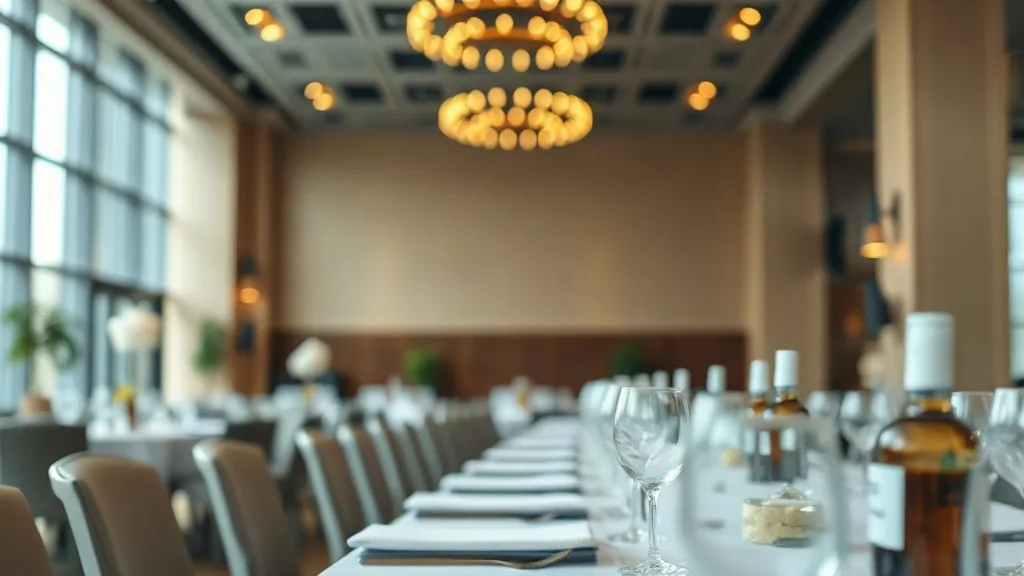
The venue’s fiber came back at 11:14am. I verified it on the dashboard and made a decision: stay on cellular for the rest of the morning. The fiber had dropped once with no warning. I did not trust it to hold through the post-lunch sessions. The cellular device handled the morning’s remaining two hours without any issues. I moved back to fiber after the lunch break as a co-primary, with cellular remaining live as backup.
The fiber failure cause
The venue’s facilities team found the cause at 1pm: a contractor doing HVAC work in a mechanical room had severed a network cable. It was not a malicious act, not a hardware failure — a human made a mistake in a room they should not have been working in during a live event. The venue apologized. I accepted the apology and noted in my production memo: for future bookings at any hotel, confirm with facilities that no maintenance work will occur in network-adjacent mechanical spaces during event hours.
That clause is now in my venue rider.
What I take from this
One: Cellular bonding is the only real backup for hybrid events. Hotel wifi is a shared resource that you can’t control. Cellular bonding devices draw from multiple independent cell towers and combine them — you’d need simultaneous failures at multiple towers for the backup to fail, which is not a realistic scenario for a three-hour summit. The device I use costs approximately $600/day to rent or roughly $3,000 to own outright. For hybrid events, it is not optional.
Two: The backup must be configured and live before you need it. Forty-seven seconds to swap was only possible because the cellular device was already on, already networked, already named on my connection list. If I had needed to configure it from scratch under pressure, the outage window would have been ten to fifteen minutes minimum.
Three: Your moderator is your best crisis management tool. The two minutes forty-eight seconds of outage was nearly invisible to the room because the moderator kept the conversation going. I hire moderators who have been briefed on technical contingencies. Not technical details — they don’t need to know how cellular bonding works — but a simple protocol: if the stream drops, hold the room, keep talking, don’t acknowledge the outage until it’s resolved.
Four: Dual-primary is often better than primary-plus-backup. Running fiber and cellular simultaneously as co-primaries, rather than primary-then-failover, means a fiber failure is absorbed by the cellular path with zero latency. I now configure my hybrid setups this way when the cellular signal quality is sufficient — which in most major metro areas it is.
Five: The maintenance clause belongs in the venue contract. No contractor work in network-adjacent spaces during event hours. This should be in writing before you sign.
San Jose’s convention hotels are well-equipped for hybrid production, but the infrastructure quality varies significantly by property. If you’re planning a hybrid leadership summit in the Bay Area, start with the conference centers in San Jose, California and ask specifically about their redundant network infrastructure before you book.
Also worth reading: the power outage during the product demo — Tomas covers the same instinct applied to a full power failure in a room with no backup.
Send me the production brief. I’ll have cellular bonding in the spec before you sign the venue contract.


