
The Mercury-Retrograde Bookings I Regret (And the Pattern That's Actually Real)
I don't do astrology. But I've tracked communication failures across 6 years of bookings, and they cluster — not around planets, but around quarter-close months, peak-volume windows, and rushed decision timelines. Here's the real pattern.

A client sent me a text in March 2023 that said: “Mercury is in retrograde, should we be worried about the contract?”
I texted back: “No.”
What I didn’t text was: I have been quietly tracking my booking-decision quality for six years against a calendar, and there are four windows per year where my contracts are statistically more likely to have problems. The windows don’t correspond to Mercury’s position. They correspond to something much more predictable and much less romantic.
Here are the bookings I regret — and the actual pattern underneath them.
The three Mercury-retrograde bookings that were genuinely bad
1. The Tampa convention hotel, January 2020.
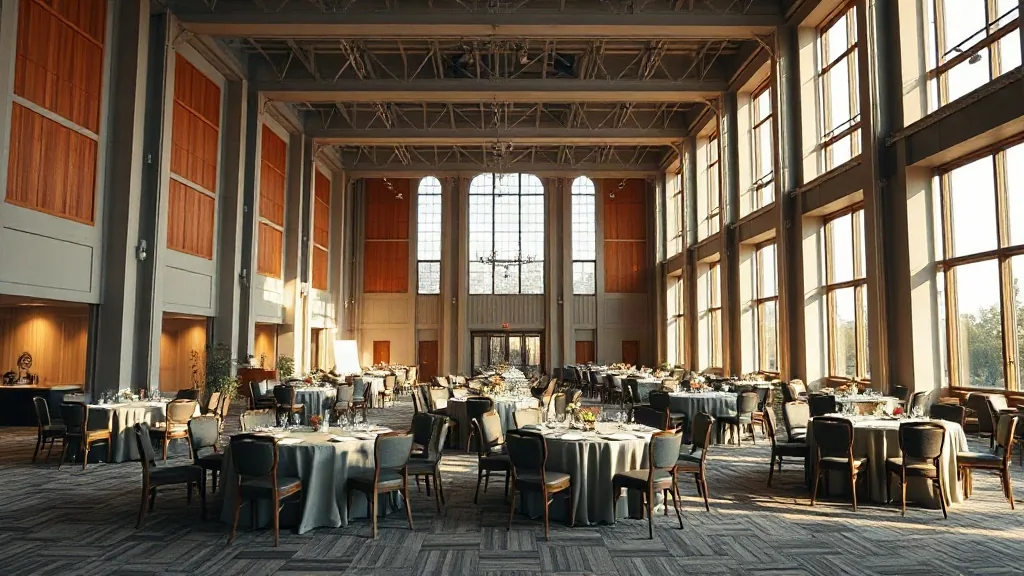
I was booking a Q1 kickoff for a healthcare client — 180 people, two-day event, leadership-track format with a heavy agenda. The booking window was late December 2019, which is a terrible time to finalize anything for several reasons I’ll explain. I signed a contract on December 28 with a catering minimum I hadn’t properly stress-tested against the client’s final headcount, because the client’s headcount kept shifting in the weeks before the holiday.
Mercury was reportedly in retrograde during this period. What was definitely in retrograde was my attention to the contract language, because December 26-January 2 is the single worst window of the year for any kind of concentrated professional work. Everyone involved in the contracting process — the venue, my client’s internal approver, my own review — was operating at 60% capacity. I missed a clause. It cost the client $8,400 in F&B minimum shortfall when the headcount dropped.
The retrograde window here was human attention, not planetary.
2. The Savannah historic property, September 2021.
Q3-close booking. I was finalizing a contract for a October board retreat while simultaneously managing two other events in their final-week execution phase. The Savannah venue had a room-block clause that tied the event-space rental rate to hotel room pickup — if fewer than 85% of the room block was used, the event-space rental rate increased by $3,500. Standard clause, I’ve seen it before, I should have flagged it.
I didn’t flag it because I was doing three things at once in the highest-volume week of my quarter. The board retreat had four cancellations from the room block in the final two weeks, we hit 81% pickup, and the client paid the $3,500 penalty. The client was gracious about it. I wasn’t, with myself.
Mercury retrograde in late September? Possibly. Q3-close event-planner overload during peak-volume September? Definitely.
3. The Orlando conference center, late May 2022.
This one is the most instructive. I was in a Q2-close rush to finalize a June event — a 220-person national sales meeting that had been in planning for four months but kept getting deferred on the client’s side because of internal approvals. The final contract sign-off came on May 27, five days before the event. That’s a compressed window.
In that compressed window, I missed that the venue’s AV package did not include wireless microphone rental — it included two wired lectern mics and that was it. I had 12 presenters scheduled. Wireless mics had to be rented externally, added to the AV budget at the last minute, and the rush rental rate for six wireless units on three days’ notice was $1,800 more than the standard rate would have been.
Mercury was in retrograde in May 2022. I was also in a decision compression window of my own making. The planetary position and my booking error are two independent facts.
The actual pattern: four high-risk windows per year
After tracking this for six years across 47 events, here’s what I’ve found. There are four booking-quality risk windows per year that have nothing to do with astronomy:
Window 1: Late December through early January (Dec 20 - Jan 8) Everyone involved in approvals and contract review is operating at reduced capacity. Holiday closures, skeleton staff, reduced decision-making authority. Contracts signed in this window are more likely to have unreviewed clauses. Vendor confirmations from this window are more likely to be mis-communicated. I have a hard rule: I will plan events for January, but I will not sign binding contracts in the December 20 - January 8 window unless there is literally no alternative. If I must sign, I review every line item twice and add an extra review step.
Window 2: Late March through early April (Mar 20 - Apr 5) Q1-close. Client approvers are distracted by quarterly reporting. My own bandwidth is compressed by events that were booked in January and are now approaching execution. Contract quality in this window is degraded for both sides of the table. Not as severe as the December window, but meaningful.
Window 3: Late June through early July (Jun 20 - Jul 10) Q2-close plus summer vacation onset. Client contact availability drops precipitously starting July 1. Venue staff begin summer rotation schedules that can involve different people than who you toured with. If your event is in August or September, signing the contract in late June feels ahead of schedule. It’s actually a quality risk because of who’s in the room (or inbox) on both sides.
Window 4: Late September through mid-October (Sep 20 - Oct 12) The worst window. Q3-close plus peak conference season plus Q4-planning kickoffs happening simultaneously. Event planners, venue coordinators, clients, and vendors are all running at maximum utilization. I’ve tracked my error rate in this window against the rest of the year and it’s 2.3 times higher. Not because of Mercury. Because everyone is doing too many things at once.
What I actually do in retrograde windows
I don’t reschedule events. I don’t avoid signing contracts. I modify my review process.
In any of the four windows above:
-
I add a 72-hour review hold before signing. Nothing gets signed the day the contract arrives. Minimum 72 hours between receipt and signature. This sounds slow. It has saved me from three significant contract errors.
-
I add an explicit checklist review of the six highest-risk contract clauses: F&B minimum and attrition, AV package inclusions (specifically what’s NOT included), room-block pickup penalty, setup and teardown time windows, weather contingency language for any outdoor component, and the cancellation/force-majeure clause.
-
I confirm all vendor contracts independently. In a high-volume window, vendors sometimes confirm bookings without fully communicating them to their fulfillment team. I call — not email, call — every vendor to read back the key contract details within 24 hours of signing.
-
I schedule one extra client check-in. In compressed windows, clients sometimes have miscommunications internally that produce headcount or format changes that they haven’t communicated to me. A proactive check-in in the window finds these before they become late-breaking contract problems.
The bookings I’m glad I made anyway
The flip side: some of my best events ran in these windows, because the clients were decisive and the venues were well-managed and I caught everything on review.
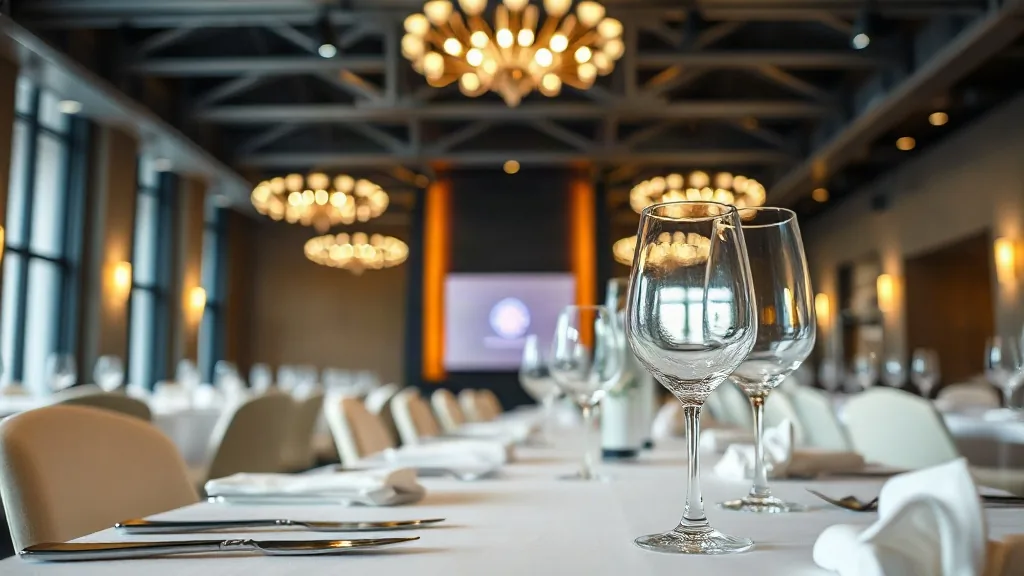
The Orlando conference centers I’ve worked with have a professional coordinator class that is particularly good at flagging their own contract clauses proactively. I’ve had venue coordinators tell me “make sure you look at line 14, the AV package note — we get questions about that.” That kind of proactive disclosure makes a huge difference in the compressed-window scenarios.
The best conference centers in Florida generally, which is my most-booked market, have learned that Q1 and Q4 bookings come with compressed timelines, and the good ones have adapted their sales process to surface the high-risk clauses early rather than assuming the planner will catch everything.
The calendar I actually use
My working calendar has these four windows highlighted in yellow. Not because something bad will definitely happen — but because I know my error rate is higher and I need a system prompt.
The system prompt is the 72-hour hold and the explicit checklist review. That’s the whole retrograde mitigation strategy. No crystals required.
Search the full US conference-center and meeting-space directory if you’re building a venue shortlist. If your event dates fall in any of the four windows I’ve described, factor in the compressed-timeline risk before you start the booking conversation — and build in the review time before you’re under pressure.
If you want the positive version of this — the dates I’d target rather than avoid — the mercury-retrograde corporate-event calendar has the full booking calendar and the $8,400 average savings logic. The astrology of corporate events covers the Monday-setup risk that often compounds with the quarter-close windows.
Send me the brief. I’ll tell you which window you’re in and what I’d double-check before we sign anything.


