
People-ops and HR leadership retreat venue checklist
An HR leadership retreat talks about comp, terminations, and org design in the open, so the venue's privacy and sound isolation matter more than its spa. Here's the checklist I run before booking one, from soundproofing to the breakout ratio to the contract line that protects the discussion.
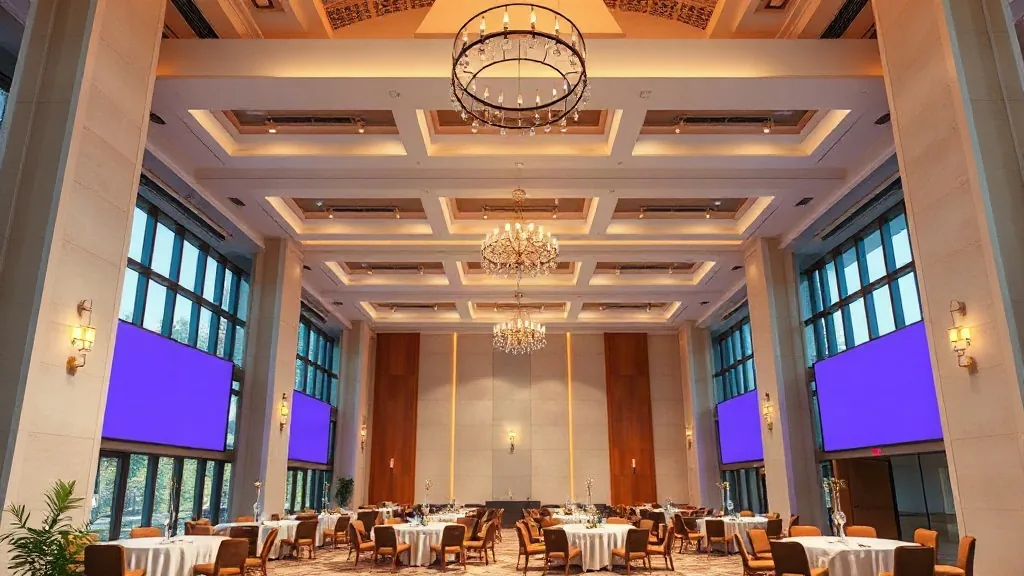
I booked an HR leadership retreat once where the CHRO stopped mid-sentence because she could hear the wedding setup crew through the airwall behind her. She was three words into a conversation about a specific executive’s exit package. That’s the moment I started treating sound isolation as the top line of the HR retreat checklist, above the food, above the view, above everything the resort wants to sell.
I run tech and agency events out of Atlanta, and HR leadership retreats are their own animal. This group talks about the stuff that can’t leak: compensation bands, performance-management cases, restructuring plans, individual names. The venue’s job is to hold that conversation privately, and most venues are built to be seen, not to be discreet. Here’s the checklist I actually work.
1. Sound isolation, tested, not promised
The first line item is whether the room holds sound. Airwalls, the accordion partitions hotels use to split ballrooms, are acoustic theater. They look solid and they leak like a screen door. If your HR discussion is one airwall away from a sales meeting or a wedding, assume the other room hears you.
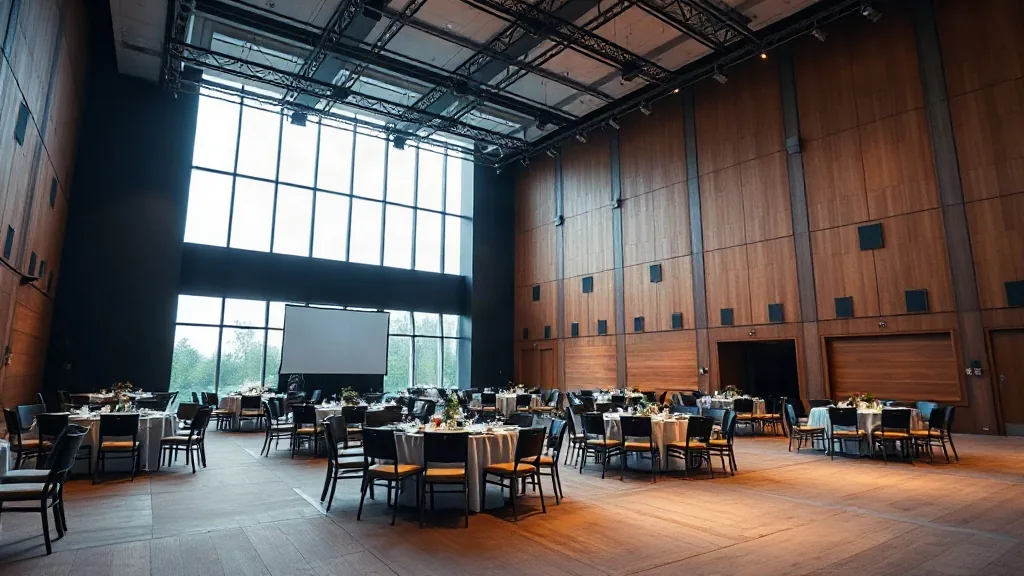
I ask for a room with hard walls and a solid door, and I test it on the site visit by having someone talk at normal volume inside while I stand in the hallway and the adjacent room. If I can make out words, it’s the wrong room. For a group discussing terminations and comp, this isn’t paranoia, it’s the baseline, and it eliminates half the ballroom options before I look at anything else.
2. A private, dedicated space with a real door
This group needs a room that’s theirs for the duration, not a space shared with a coffee break for another group. I book a dedicated room with a door that locks, controlled access, and no service staff wandering in mid-conversation.
That means confirming the catering pattern: food gets dropped during scheduled breaks only, not walked in whenever the banquet team feels like refreshing water. I put “no staff entry during working sessions” in the event order, and I schedule the refreshes so the team controls when the door opens. A conference center handles this well because the rooms are private by design and the staff are used to confidential meetings. A resort ballroom with a shared pre-function area is harder to lock down.
3. Breakout ratio for the working parts
An HR leadership retreat isn’t all plenary. There’s org-design work, calibration discussions, and small-group sessions that need to split off. I plan a breakout ratio of one small room per four to six leaders when the agenda calls for parallel work.
So a 20-person HR leadership team doing calibration in sub-groups needs three or four small private rooms plus the main room. Each breakout has to be as sound-isolated as the main room, because a calibration conversation about specific employees can’t be overheard either. I count these rooms before I sign, and I confirm every one of them has a real door, not a pipe-and-drape corner.
4. The catering that fits a heavy agenda
HR retreats run long and emotionally heavy, and the catering should steady the group, not weigh it down. I keep it clean: a real breakfast so nobody’s running on fumes through a comp discussion, a working lunch that won’t trigger a 2pm crash, and all-day coffee and water that the team controls the timing of.
The money here is modest and worth it. An all-day beverage package at $20 to $26 per head keeps the room fueled, and a lighter working lunch at $35 to $45 beats the heavy plated option that puts everyone under by mid-afternoon. I’d rather spend on a private room and sound isolation than on an elaborate lunch this group won’t remember. If the retreat is on a tighter budget than the CHRO’s title suggests, nonprofit board retreat on a real budget without looking cheap has the moves I use to keep a retreat looking senior without the senior price.
5. The confidentiality line in the contract
This is the item nobody thinks about until it matters. The venue’s staff are in and out of your room, and they overhear things. I add a confidentiality clause to the event contract, a short paragraph stating that venue personnel will hold in confidence any information observed or overheard during the event.
It’s not that I expect a banquet server to leak a comp number. It’s that the clause sets the expectation, gives me recourse if something does get out, and signals to the venue that this is a discreet event that needs discreet handling. Most venues sign it without blinking. The ones that push back tell me something useful about how they’d handle the day. The venue choice underneath all this is the same one every leadership offsite faces, and I compared the two main options in conference center vs resort for a leadership offsite.
6. Off-hours and overnight logistics
If the retreat runs multiple days, the overnight piece matters. I want the leadership team housed together, ideally on a dedicated floor or wing, so the after-hours conversations, which are half the value of a retreat, happen naturally and privately. A hotel or resort with a block of rooms on one floor delivers this, and I negotiate the block early because a leadership team scattered across a property loses the informal time.
I also confirm a private space for dinner. This group having a candid dinner in the middle of a public restaurant is the same leak risk as the airwall. A private dining room or a semi-private space keeps the conversation contained.
Where I land
For an HR leadership retreat, my ranking depends on the priority. A conference center is my default when confidentiality and working-session infrastructure lead, because the rooms are private, sound-isolated, and staffed for serious meetings. A hotel or resort wins when overnight logistics and keeping the team together matter most, provided you pick the property for its meeting rooms and lock down the room-sharing pattern. A country club is the sleeper for a smaller senior group, offering privacy, a discreet dining room, and a setting that signals respect without the resort price.
Run the checklist in order. Sound isolation and a real door first, breakout count second, the confidentiality clause before you sign. The spa and the view are nice, and they’re the last things that matter for a group talking about who stays and who goes.
How big is your leadership team and does the agenda split into calibration or org-design sub-groups? Tell me the headcount and the breakout needs, and I’ll tell you how many private, sound-isolated rooms to put in the contract.


