
Nonprofit board retreat on a real budget without looking cheap
A nonprofit board notices when money gets wasted, and they notice when the venue looks cheap. Here is how I book a retreat that respects donor dollars and still feels worthy of the people volunteering their time.
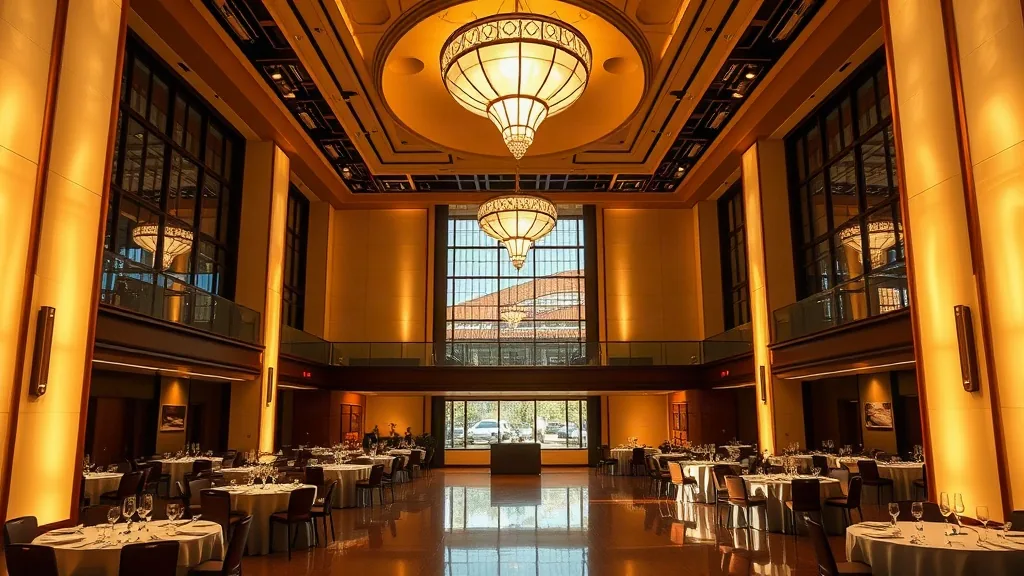
An executive director once told me her board retreat budget was $14,000 for 18 board members, one full day plus dinner, and then added the part that made it hard: “and if it looks like we spent it on ourselves, I will hear about it from a donor.” That is the nonprofit board retreat in one breath. The money is real but modest, and the optics matter as much as the number, because the people in the room gave their time for free and the money came from donors who trusted the mission.
I book a lot of these. The trick is not spending less. It is spending visibly well, on the things a board values, and cutting the things that read as waste.
The two things a nonprofit board actually judges
Boards notice two things about a retreat venue. First, does the room let them do real work, because they are giving up a Saturday and they want it to count. Second, does the spend look responsible, because they will be asked by donors and staff what it cost. A venue that nails both feels worthy without feeling indulgent.
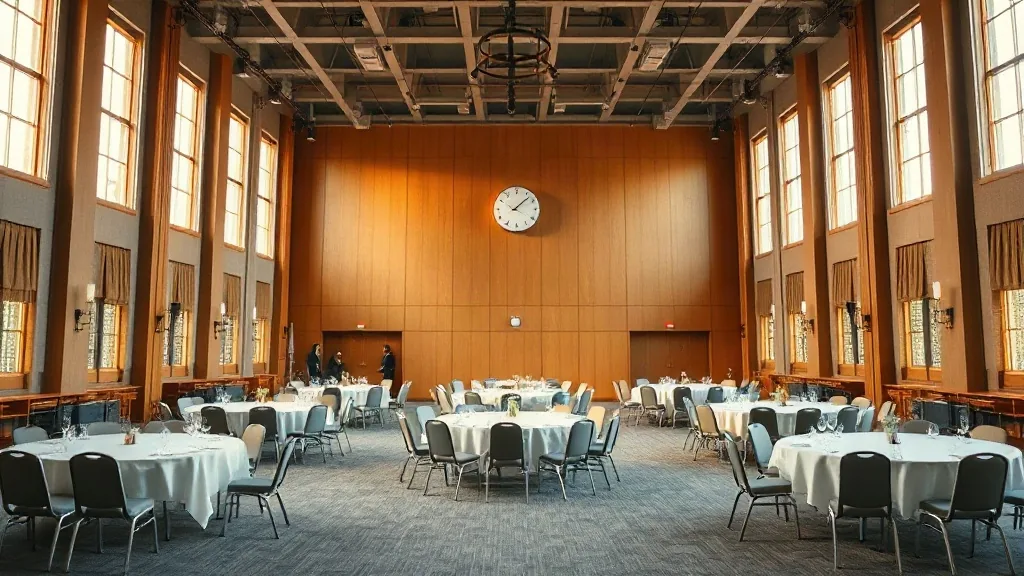
What that means in practice: I put the budget into the room and the meal quality, and I cut anything that photographs as luxury. A historic mansion or a museum meeting space reads as mission-aligned and serious, and it often costs less than a resort ballroom while looking far more considered. The setting does the work that money would otherwise have to.
Where the money goes on a $14,000 day
Here is roughly how I split a real nonprofit board budget so it works and defends well:
- Venue and meeting space: a distinctive, mission-appropriate room over a generic hotel box. A museum or historic mansion day rate often lands between $2,500 and $6,000 for a full day, and it looks like the organization cares.
- Food that is good but not showy: a quality catered lunch and a warm dinner, plated or family-style, in the $60 to $110 per-head range. Boards remember a bad, cold buffet, and they remember an obviously extravagant one. Aim for the honest middle.
- Facilitation and AV kept simple: a screen, a flip chart, wireless mics if the room is big. The board offsite planning playbook makes the case that a board retreat is about conversation, not production, and the budget should reflect that.
What I cut: elaborate florals, branded swag, a destination that needs travel and lodging, and any open-bar arrangement. Those are the exact lines a donor would question, so they come out first.
The optics rules I follow
A nonprofit spend gets read differently than a corporate one, so I plan for the reading:
- No venue that markets itself on luxury. A five-star resort’s name on a board retreat invoice is a headache even if the actual rate was negotiated low. The perception is the problem.
- Meal choices that are generous but grounded. Good food shows respect for people’s time. Extravagant food shows the opposite of stewardship.
- Transparent, itemized budgeting so the ED can show exactly where every dollar went if asked. The nonprofit director with a 30k event budget piece has the fuller framework for building a spend that survives scrutiny.
Venue types that thread the needle
For most nonprofit board retreats I steer toward one of three, and each solves the looks-worthy-without-looking-cheap problem in its own way.
A historic mansion gives you a room with character and a sense of occasion at a day rate often below a comparable hotel, and it signals care rather than extravagance. The trade is you usually bring in catering and simple AV, so price those before you commit.
A museum meeting or event space aligns naturally with a mission-driven organization, especially an arts, education, or community nonprofit, and a board feels the fit. Many museums offer nonprofit rates, and the setting itself feels like a contribution to the day rather than a luxury.
A country club can work when a board member belongs and can sponsor the booking at a member rate, which sometimes delivers the best room and food for the money. The caution is optics: a country club retreat reads as elite unless the cost is clearly reasonable, so I only recommend it when the member rate makes the number defensible. The winery versus country club question for a board retreat covers the tradeoffs when the choice is close.
The catering call that saves the day
The single highest-return decision on a modest board budget is the meal. A board sits together for one dinner, and that dinner is where the goodwill for the whole retreat gets built or lost. So I spend a little more per head on a warm, served meal in a private room and cut somewhere else to fund it. A family-style dinner where the board passes dishes and talks beats an expensive but impersonal plated service, and it usually costs less. That is the move that makes a $14,000 retreat feel like it was worth everyone’s Saturday.

The in-kind donation move
The best cost lever on a nonprofit board retreat is often not a discount, it is a donation. A board member who owns a business, belongs to a club, or sits on another institution’s board can sometimes secure a room, a meal, or a service at no cost or at cost. A museum where a trustee also serves, a country club where a board member belongs, a restaurant a supporter owns. I ask the executive director early who on the board could open a door, because an in-kind space donation can turn a $14,000 retreat into a $9,000 one without cutting anything the board would notice.
The caution is to document it cleanly. An in-kind donation has a fair-market value the organization may need to record, and a donated venue still comes with real obligations around insurance, staffing, and cleanup that someone has to own. So I treat a donated space with the same contract discipline as a paid one, get the terms in writing, and make sure the generosity does not quietly shift risk onto the organization. Handled right, it is the single move that lets a modest budget punch well above its number.
The build order
- Get the board count, the total budget, and the ED’s tolerance for how the spend will look to donors.
- Choose a mission-appropriate room, mansion or museum, over a generic hotel box.
- Put the money into room and meal quality; cut swag, florals, travel, and open bar.
- Keep AV and facilitation simple.
- Spend the marginal dollar on a warm, private dinner, because that is what the board remembers.
Tell me your board size, your total budget, and how sensitive your donors are to event spending. With those, I can tell you whether a historic mansion, a museum space, or a member-sponsored country club fits, and how to itemize the day so your director can defend every dollar to anyone who asks.


