
Plated Dinners Are Dead — Unless You Actually Plate Them
A 'plated dinner' that arrives on a pre-set plate 40 minutes after guests sit down is not a plated dinner. It's a buffet with bad timing and a service charge. Here's what a real plated dinner requires — and when to skip it entirely.

I want to be precise about something that the catering industry has gotten sloppy about. A plated dinner means: guests are seated, a composed plate is brought to each guest by a server, placed in front of them while it is at the correct temperature, at the correct moment in the evening. That is a plated dinner. It is a hospitality commitment with specific service requirements, labor implications, and timing constraints.
What most corporate events serve when they say “plated dinner” is: guests are seated, a banquet server brings stacks of pre-portioned plates from a holding station where they’ve been sitting for 15-35 minutes, places them around the table in sets of three or four in a sequence that starts at one end and ends at the other, and somewhere in that process a person in seat 12 gets their chicken breast at a temperature roughly equivalent to “enthusiastic room.”
That is not a plated dinner. That is a banquet service delivery. The distinction matters because planners pay for the plated dinner — the labor cost, the china upgrade, the service ratio — and guests receive the banquet delivery. Nobody wins.
What a real plated dinner requires
True plated service at a corporate event requires:
- A service ratio of approximately 1 server per 10-12 guests (versus 1 per 20-25 for buffet or French service)
- Synchronized delivery — all plates for a table arriving within 90 seconds of each other, coordinated by the captain
- A hot-hold system that keeps plates at 140°F until service, not just “warm”
- Timing control: the first course cleared before the second is set, not the next course arriving while the previous is still half-eaten
- A clear chain of command from the banquet captain to servers that allows for table-by-table timing rather than a wave delivery that moves through the room in one direction
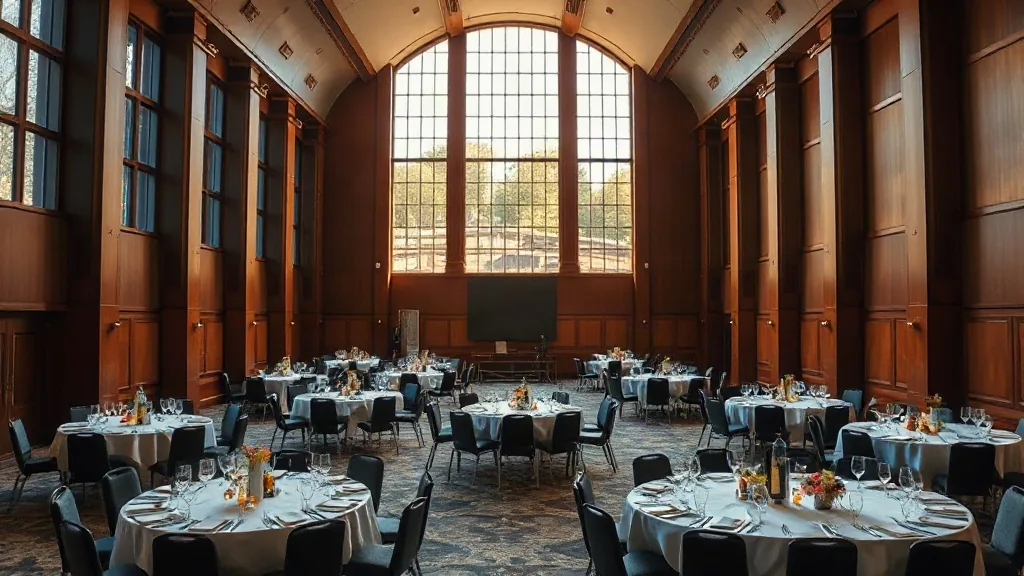
At a 200-person event, real plated service requires 18-22 servers plus a captain. Venues typically staff 8-12 servers for a 200-person event at standard plated pricing, because standard plated pricing doesn’t assume true synchronized service. The 8-12 are enough to deliver plates to everyone; they are not enough to do it correctly.
This is the gap that most planners don’t see until the dinner service is happening.
The math on why it’s happening
The economics of true plated service at scale are uncomfortable. A 200-person event with 22 servers for a 3-hour dinner service represents approximately $2,800-$3,800 in additional labor versus the standard staffing, depending on the market and the labor contract. This is real money. It’s also real money the venue doesn’t want to spend unless you specifically request it and it’s built into the contract.
So the venue staffs 10 servers. The 10 servers deliver plates in waves. The wave hits Table 1 at 7:04pm and Table 18 at 7:22pm. The person at Table 18 who is speaking to their neighbor is told their dinner is ready while the chicken has been under heat lamp for 40 minutes. The distinction between “plated dinner” and “buffet with someone carrying the plates” is, at this point, entirely semantic.
When to drop the plated format entirely
Here’s my actual current recommendation for most corporate events over 150 people: don’t do plated. Do something better.
The options that outperform standard plated service:
Family-style. Large shared plates in the center of each table, passed around and served by guests to each other. This sounds casual. At mid-market and up, with quality food and beautiful plating of the shared pieces, it is not casual — it’s warm, generous, and genuinely good for conversation because people are already interacting to pass dishes before they’ve said a word to each other. Service ratio drops significantly, delivery timing is far more forgiving, food stays hotter because portions are larger and covered. I’ve done family-style at galas and it reliably outperforms plated in post-event feedback on the dining experience.
Chef-station served. Multiple action stations where a chef plates each course to order in front of the guest. This is theater and hospitality simultaneously — guests see the food being prepared, there’s interaction and customization, and the plate arrives at a temperature that is definitionally correct because it was just plated. It requires more setup, more space, and more chef labor, but the labor cost is often comparable to true synchronized plated service and the experience is much better.
Coursed sharing boards. A hybrid: the first two courses arrive on sharing boards (charcuterie, cheese, small plates) and guests help themselves; the main course is individually plated but at a smaller portion; dessert is shared. This gives you the warmth and interaction of family style for the early courses and the plated moment for the main, without the full synchronized service burden.
A buffet that’s actually a buffet. If your venue, headcount, and budget won’t support real plated service, please just do a buffet. A well-executed buffet — beautiful presentation, high-quality food, adequate staffing at the stations, clear traffic flow, warm proteins actually warm — is an honest hospitality experience. It is not worse than a plated service that delivers plates in waves with food at the wrong temperature. It is better, because it doesn’t promise something it can’t deliver.
When plated is actually right
There are events where true plated service is the correct choice and worth the cost to execute correctly.
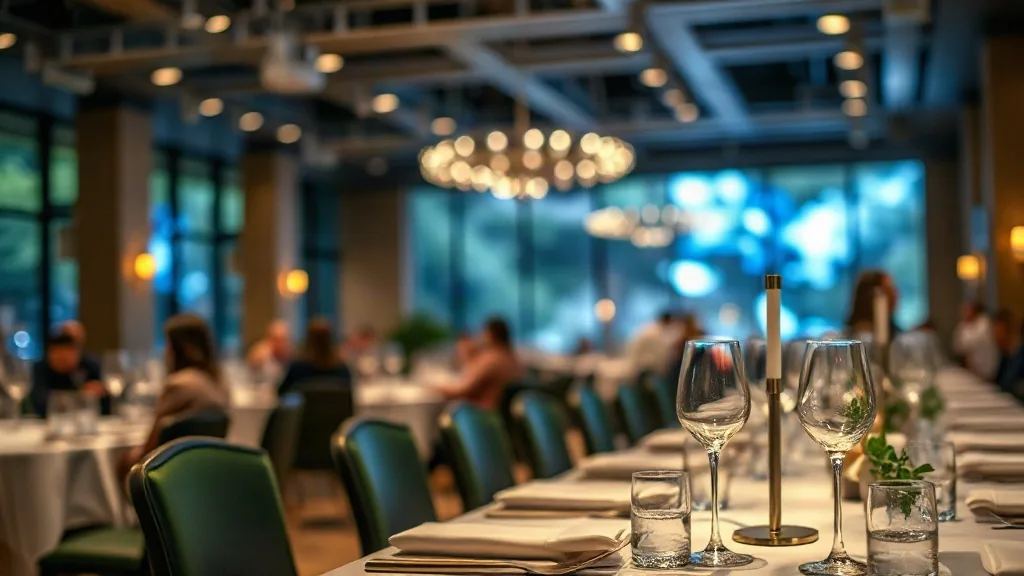
Executive dinners under 60 people. At this scale, synchronized service is achievable without the labor cost becoming prohibitive. A 50-person board dinner with true plated service is a different thing from a 200-person gala with wave delivery. I do proper plated for executive dinners under 60 because at that scale it’s actually plated.
Events where the menu requires it. Tasting-menu format events — multiple courses, carefully sequenced, paired with wine — require plated service because the menu design depends on precise timing and composition. If you’re doing 5 courses at 45 minutes each, the plating matters and you should staff for it.
When the venue has the infrastructure and you’ve confirmed the staffing. Some venues — particularly older hotel ballrooms with purpose-built service corridors, hot-hold pantries, and a union banquet staff with deep service culture — can execute synchronized plated service at 200 because they’ve been doing it for 40 years and it’s built into their operation. When I find these venues, I protect them carefully. They exist; they’re just less common than venues that describe their service as “plated.”
The contract clause to add
Before you sign a catering contract for a plated dinner, add this language or its equivalent:
“Plated service shall include synchronized delivery to each table, with all covers at a table placed within 90 seconds of each other. Minimum service ratio of 1 server per 12 guests during plated courses. Venue to specify the number of servers and their assignments at least 5 business days prior to the event.”
Then get the staffing number in writing. If the number is fewer than 14-16 for a 200-person event, you’re not getting plated service. You’re getting wave delivery with the word “plated” on the invoice.
For healthcare industry events in Florida — conference centers in Orlando and across South Florida — I’ve had this conversation enough times that I now include the staffing clause in every catering addendum. The venues that can execute real plated service tell you exactly how many servers. The ones that can’t give you vague answers about “full service staffing.”
Worth reading alongside this: the F&B minimum post gives you the context for understanding what your catering commitment actually includes before you add the staffing clause, and the gratuity post addresses what you owe beyond the service charge once you’ve confirmed the staffing.
Send me the catering proposal. I’ll tell you what dinner you’re actually getting.


