
Plated vs buffet for 200: the real cost and headcount math
Buffet looks cheaper on the proposal and often costs more once you count the labor, the second protein, and the 40 minutes of program you lose. Here is the line-by-line math I run for a 200-person dinner before I recommend either one.
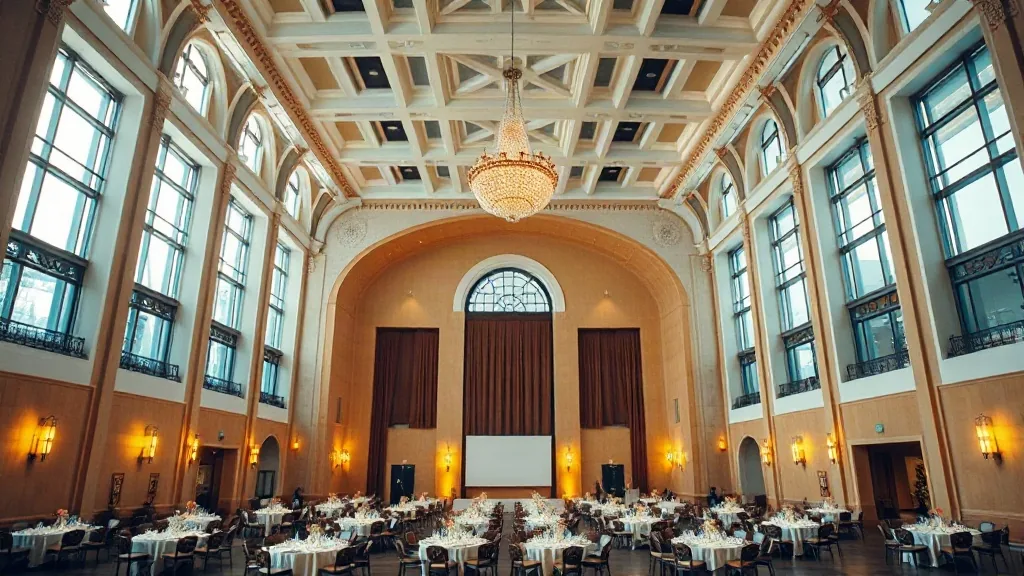
A catering director in San Jose handed me two proposals for the same 200-person awards dinner last spring. Plated came in at $94 a head. Buffet came in at $78. The client saw a $3,200 gap and told me to book the buffet. I told him to wait, because the buffet was going to cost him more than the plated once we counted what the proposal left off the page.
Here is what the buffet line hides. At $78 a head you get two proteins, because a buffet without a choice reads as cheap and the line stalls when 200 people all want the beef. Two proteins means the kitchen produces closer to 240 portions for 200 guests, since you can’t portion-control a buffet the way a server can plate one. That overage is baked into the per-head number, but it caps your ability to negotiate it down.
The labor math nobody puts on the proposal
Plated service needs one server per two rounds of ten, so 200 guests at eight per round is 25 tables, and you’re staffing roughly 13 to 15 servers plus two captains. That’s real money, usually $28 to $35 an hour per server for a five-hour call. Call it $2,600 in labor, and it’s often folded into the service charge rather than itemized.
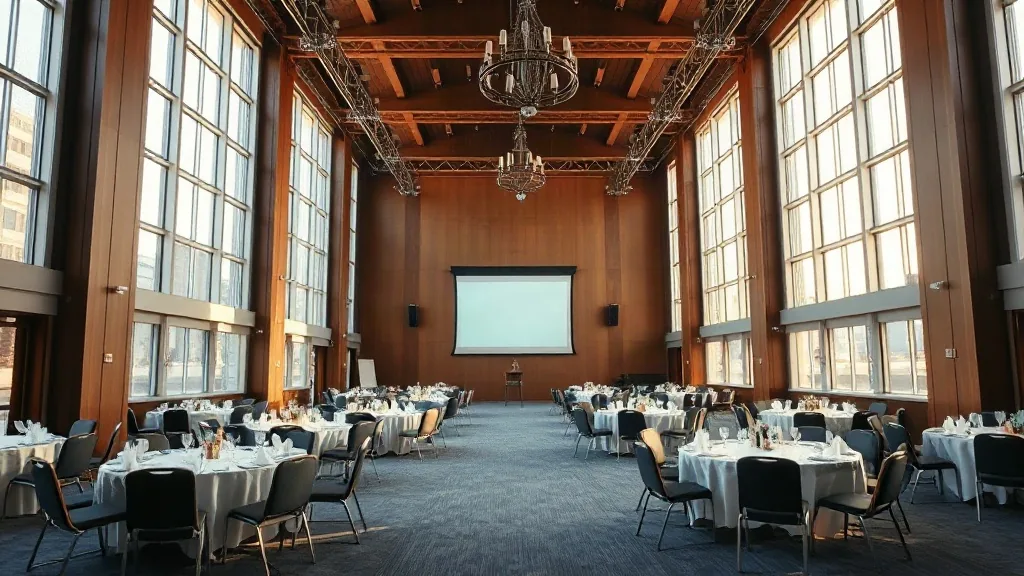
Buffet looks like it saves labor. It does not, not at 200. You still need attendants at every station (two per double-sided line), runners to bus, and someone refilling chafers every eight minutes or the line backs up. A properly staffed buffet for 200 runs three to four stations to keep the line under 20 minutes. Under-staff it to hit the $78 number and you get a 40-minute line, which I’ll come back to because it’s the part that actually wrecks the night.
What the buffet costs your program
I care about the run of show more than the food cost, because I came up on the production side. A plated dinner for 200 moves like this: salads pre-set, entrees fire in two waves, dessert cleared and coffee poured, and you’ve got your podium back inside 55 minutes. Predictable. You can build a script around it.
A buffet for 200 with two lines releases tables one at a time or you get a stampede. Release eight tables, wait, release eight more. From first table up to last table seated with food is 35 to 45 minutes on a good night. During those 45 minutes you cannot run program. No awards, no speaker, no video, because half the room is standing in line with their back to the stage. That’s 40 minutes of dead air you either pad with a band you’re now paying, or you cut content the client wanted.
For a straight networking social where nobody’s talking from a stage, that 40 minutes is fine, even good, because it keeps people moving. For an awards night with 22 categories to get through and a hard 10pm venue-out, it’s a disaster. The format has to match the program, not the budget line.
The number I actually run
Here’s my worksheet for 200. Plated at $94 a head is $18,800 in food. Add a 24 percent service charge and 8 percent tax and you’re at roughly $25,300 all in. Buffet at $78 is $15,600 in food, but to staff it correctly for 200 you add back a station-labor line the cheap proposal skipped, usually $1,800 to $2,400. Same service charge and tax on the higher base, and you land around $23,100.
So the real gap is closer to $2,200, not $3,200, and for that $2,200 the plated version buys you 40 minutes of usable program time and a room that faces the stage. On an awards night, that 40 minutes is worth more than $2,200 to me every time. On a casual mixer, it isn’t, and I’ll book the buffet without blinking.
The trap is comparing the two headline numbers as if they buy the same thing. They don’t. Plated buys portion control and a tight timeline. Buffet buys flexibility and movement and abundance-signaling, at the cost of your run of show and more food produced than eaten.
Where stations change the calculus
There’s a third option most planners skip: action stations or a hybrid where the first course is pre-set plated and the entree is a short chef-attended station. For 200 this can land between the two on cost (around $84 to $88 a head) and it fixes the line problem, because a pre-set first course means people eat immediately while the station handles the entree in a controlled release. If your venue’s kitchen can execute it, ask for it. Many banquet halls and full-service hotels and resorts run this format weekly and just don’t lead with it on the proposal.
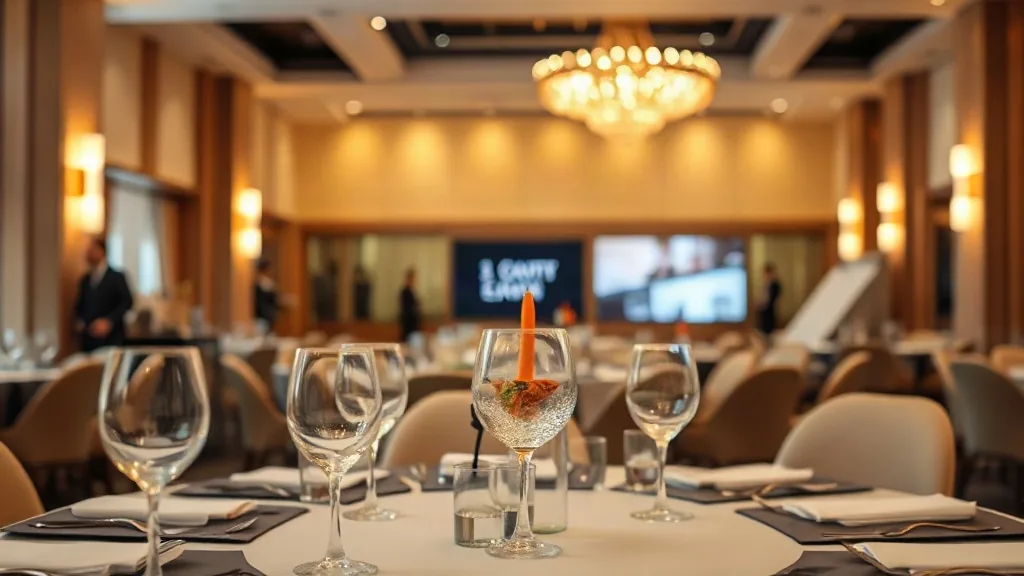
One more variable: the room. A ballroom that seats 200 at rounds of ten with buffet lines needs floor space for the stations, and that space comes out of your seating or your dance floor. At many conference centers the banquet space is sized tight, and a buffet for 200 forces the stations into a pre-function area, which splits the room and kills the energy. Walk the actual room before you decide, with a tape measure, and mark where the lines go.
How to decide in five minutes
Ask three questions. Does the program need the room facing a stage for a continuous block longer than 30 minutes? If yes, plated. Is the headcount over 250 with a hard end time? Plated, because buffet lines don’t scale past 250 without a fourth station and even more labor. Is this a social with no formal program and a client who wants the room to feel abundant? Buffet, and staff it right.
I’ve watched planners save $16 a head on paper and lose the last two awards categories to a buffet line that ran long. I’ve also watched a client spend for plated at a casual mixer and wonder why the room felt stiff. The food isn’t the decision. The timeline and the room are.
For a deeper read on how these numbers move by format, I’d start with the breakdown in catering cost per head by service style, then read why plated dinners are dead unless they’re actually plated before you sign off on a plated proposal that’s really a slow buffet in disguise. And if your venue quoted you rounds of ten, read why eight rounds of ten is a banquet myth first.
So tell me the shape of your night. What’s your headcount, your hard end time, and how many minutes of stage program do you need uninterrupted? Give me those three and I’ll tell you which format your budget should actually buy.


