
Product launch livestream: the upload-path checklist
A launch livestream dies on the upload path, not the download speed. The venue's fiber, the encoder settings, the backup bond, and who owns the drop all matter more than your camera. Here's the checklist I run before I trust a room with a stream.
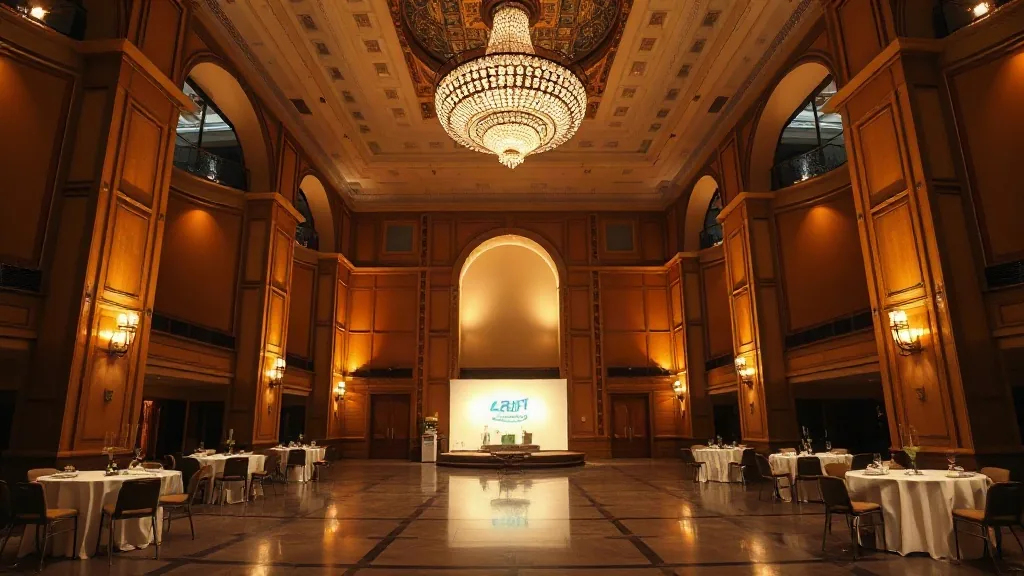
A client once ran a speed test on a venue’s wifi, saw 300 Mbps down, and told me the livestream was handled. On show day the stream buffered for 8,000 viewers because that pretty download number hid a 4 Mbps upload ceiling, and a livestream only cares about upload. The download speed is the number the venue brags about. The upload is the number that keeps your launch on the air.
I’ve produced enough of these to know the failure is almost always the path from the encoder out to the internet, not the cameras or the switcher. So that’s what I audit, hard, before I let a venue tell me it can stream. Here’s the checklist.
Ask for upload, in writing, then test it yourself
The first question is not “do you have wifi.” It’s “what is the guaranteed symmetrical upload on a hardwired connection, and can I get it dedicated.” A launch stream at 1080p60 wants roughly 8 to 12 Mbps sustained upload per stream, and if you’re pushing multiple bitrates or a backup path you want real headroom, call it 25 Mbps clean and dedicated. Wifi doesn’t count. I want a physical ethernet handoff.
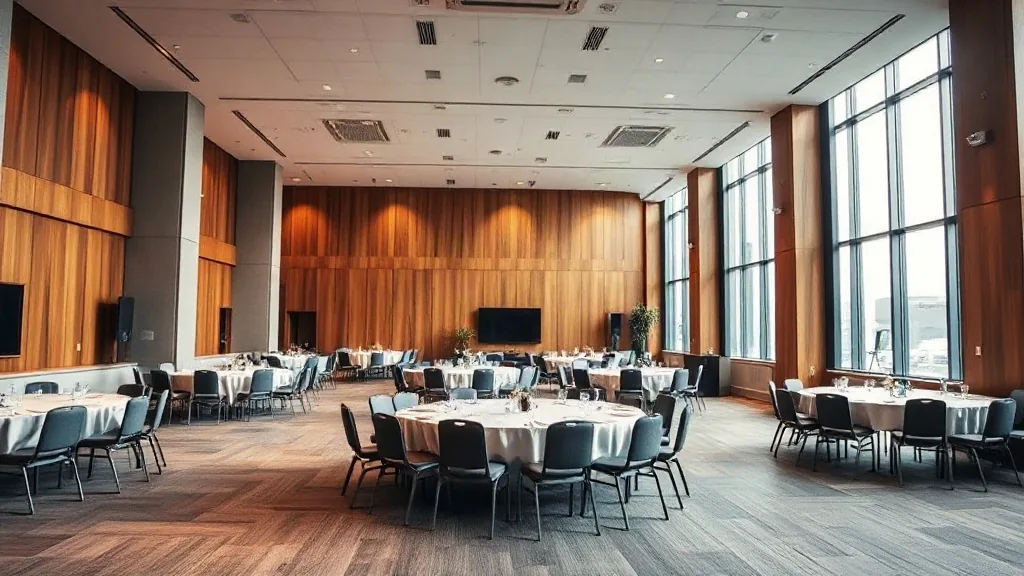
Then I test it on a site visit, on the actual drop I’ll use, at a realistic time of day, with an upload test, not a download test. A venue that quotes a number but won’t let me test it on the real port is telling me the number is marketing. The complimentary wifi is a scam piece exists because I’ve been burned by exactly this, and it’s the first thing I send a client who’s about to trust the free network.
Dedicated circuit or you’re sharing with the crowd
Here’s the trap even a good upload number hides. If your stream shares a circuit with 500 attendees on guest wifi, their phones eat your upload the moment the keynote starts and everyone films it. I want the broadcast on a physically separate, dedicated line the audience can’t touch. At a theater or performing arts venue this usually exists because they run productions; at a raw event venue it often doesn’t, and you’re ordering a temporary dedicated circuit from the ISP with a 4-to-6-week lead time. Miss that lead time and no amount of gear saves you.
Bond a backup path that isn’t the same pipe
One internet path is one point of failure. I run a bonded-cellular backup, a unit that combines multiple carriers into one connection and fails over automatically if the primary fiber drops. The key word is diverse: the backup can’t ride the same physical path as the primary, or a single cut kills both. I confirm the venue isn’t a cellular dead zone on the site visit by running the bond live. For the anatomy of what actually happens when the primary dies mid-show, internet outage during the hybrid event is the war story I make clients read so they take the backup seriously.
Own the drop, name the person
“The venue handles the internet” is where launches die. I get a name: who at the venue owns that circuit, what’s their cell, and are they on-site during the event or did they leave at 5. If the answer is “our IT team is remote and responds within four hours,” that’s not a livestream partner, that’s a liability. On a launch, I want the network owner reachable in 90 seconds, and I put that in the AV scope.
Encoder settings, decided in advance
The upload path includes the encoder, and its settings determine whether your bandwidth is enough. I lock keyframe interval, bitrate, and resolution to the platform’s spec before show day, and I set the encoder to a bitrate the tested upload comfortably carries with headroom, not the max the camera can push. A 1080p stream at a sane 8 Mbps that never drops beats a 4K stream at 30 Mbps that stutters for half the room. I’d rather under-spec the picture and never buffer.
Redundant encoders, hot standby
Same logic as the internet path: the encoder is a box that can die, so I run two, primary and hot standby, both fed the same program, so if one hangs the stream continues off the other. The cost is one more appliance and an operator watching it. The alternative is a black screen in front of 8,000 people during the one moment your CEO says the product’s name.
Where you host changes the difficulty
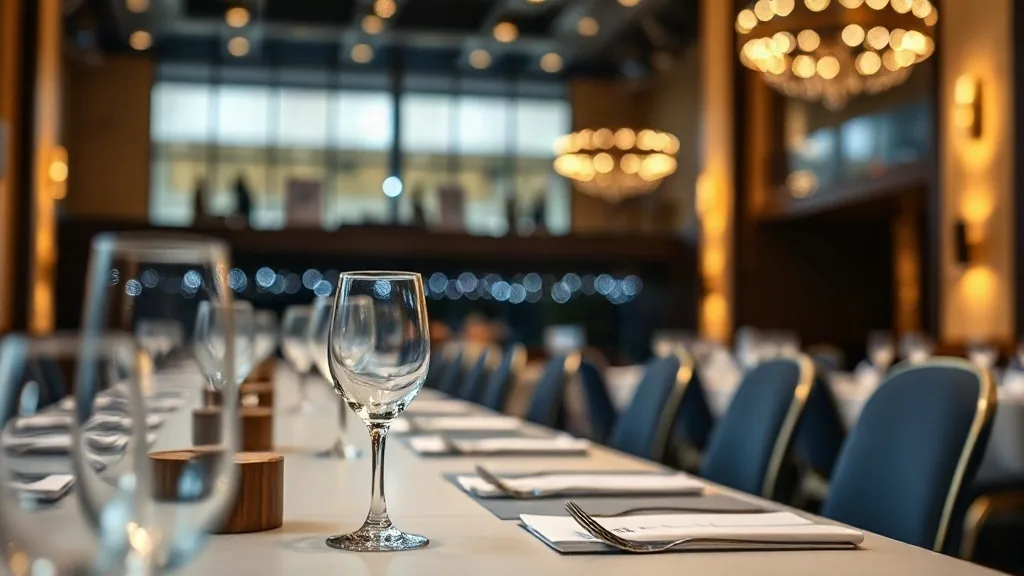
A photo and video studio built for production often solves half this checklist before you arrive: dedicated business internet, a cyc wall, controlled lighting, and staff who speak upload. For a controlled, camera-first launch with a modest in-room audience, a studio can be cheaper and safer than dressing up a ballroom. A theater brings house infrastructure and sightlines. A raw event venue gives you the look and hands you the entire network build, which is fine if you budget the circuit and the lead time and don’t discover the problem in load-in.
Rehearse the actual stream, to the actual platform
A rehearsal that stops at “the cameras look good” tested nothing. The day before, I push a real stream to the actual destination, at the real bitrate, for at least 30 minutes, while someone watches the player from outside the building on a normal connection. Then I kill the primary internet on purpose and confirm the bond takes over and the viewer barely notices. If failover takes 40 seconds and drops the stream, I have a day to fix it. That’s the only rehearsal that proves the upload path.
The budget reality
Doing this right isn’t free, and I’d rather a client know the number up front. A dedicated circuit install runs $1,500 to $4,000 depending on the venue and lead time. A bonded-cellular backup unit rents around $500 to $900 a day. Redundant encoders and a broadcast producer add a few thousand. Call it $8,000 to $15,000 on top of the cameras-and-switcher package to make the upload path bulletproof. On a launch that’s carrying the quarter, that’s cheap insurance against a buffering wheel going viral for the wrong reason. When you hire the vendor who owns all of this, the how to hire a livestream production vendor guide sorts the real broadcast shops from AV companies renting you a camera.
The livestream doesn’t fail at the lens. It fails on the way out of the building. Test the upload, dedicate the circuit, bond a diverse backup, name the human who owns the drop, and rehearse to the real platform with a real failover.
Send me your expected concurrent viewer count, your venue shortlist, and the launch date, and I’ll pressure-test the upload path before you commit a dollar to cameras.


