
The Pyrotechnics That Triggered the Venue's Fire Suppression System
The closing-ceremony pyrotechnics had been approved by venue management. What nobody had checked: the suppression system's heat threshold. Forty-seven seconds into the finale, it activated.

I want to be precise about what happened because the precise version is both more instructive and more embarrassing than the vague version.
The venue management had approved the pyrotechnics. The pyrotechnics company was licensed and had a current permit. The effect had been approved by the city fire inspector as part of a pre-event walkthrough three days earlier. Everyone had signed off. The show was legal, permitted, and approved.
Nobody had checked the venue’s fire suppression system’s heat sensor threshold against the pyrotechnics’ operating temperature.
This was not a trivial oversight. The suppression system activated at forty-seven seconds into the closing ceremony. It delivered approximately 900 gallons of water into the main ballroom. The event had 340 guests. The room had approximately sixty thousand dollars of production equipment in it. The client’s CEO was on stage holding a trophy.
This happened in Nashville. It was a Tuesday.
The event
Two-day corporate awards ceremony for a major healthcare staffing company — 340 people, closing night gala, the kind of event where the production values matter because the recognition is the point. The closing ceremony was structured around a sequence of awards, culminating in a grand finale pyrotechnic effect: fifteen-second bursts of cold sparks — technically gerbs, not traditional fireworks — from units positioned at the four corners of the stage, timed to a piece of music.
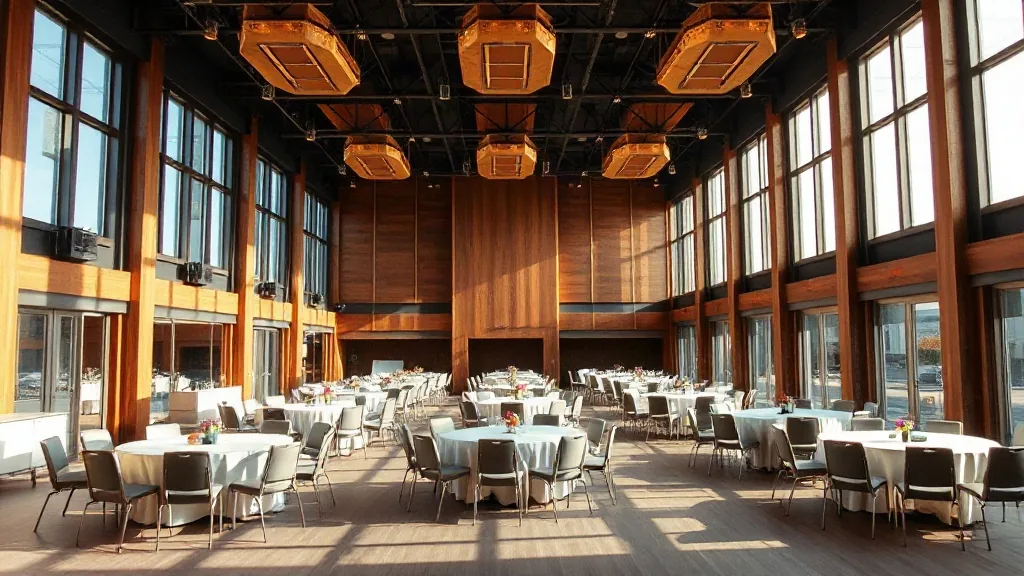
Cold spark machines are standard in indoor event production. They use a proprietary titanium powder compound that generates a spectacular visual effect at temperatures that are, by the manufacturer’s specification, safe for indoor use. The fire inspector had assessed the units, reviewed the manufacturer’s specifications, and approved the effect.
The fire inspector had not asked about the suppression system’s sensor configuration.
The venue’s suppression system had heat sensors in the ceiling positioned over the stage area. The sensors were designed to trigger at 155°F — a standard residential and light commercial setting. The cold spark gerbs, while not a fire hazard, were producing localized radiant heat above the stage that reached the sensors’ threshold within forty-seven seconds of operation.
Nobody in the approval chain had connected those two data points.
47 seconds
The CEO was on stage. The gerbs were running. The music was building. I was at the rear of the room watching the video feed.
At forty-seven seconds, the suppression system activated. It was not a subtle activation. It was a significant release of water from sprinkler heads across the stage and the front third of the ballroom ceiling. The music played for approximately three additional seconds before someone cut it. The CEO, who had been holding the company’s annual recognition trophy aloft, was standing on a wet stage holding a trophy.
He lowered the trophy. He looked at the ceiling. He looked at the audience. Then he said, into the microphone: “Well. Nobody said this job was dry.”
The room laughed. It was genuine laughter — the release-valve kind, not the polite kind. The CEO’s line was the most important thing that happened in the following two minutes.
The next eighteen minutes
I was at the stage before the water had finished. My first priority was the CEO and any guests in the front sections who had taken water. Nobody was injured — the suppression release in this zone was significant in volume but not in force. Wet, not dangerous.
My second priority was the production equipment. The camera systems in the front of the room, the stage monitors, and two lighting fixtures had taken water. The AV lead was already assessing. He said: cameras first, then stage monitors. He said we had three pieces of equipment that were unrecoverable without replacement. The rest were wet but potentially recoverable after drying.
My third priority was the guests. Approximately forty guests in the front four rows had been splashed by the suppression system. My floor staff was moving through those rows with towels — from the hotel’s linen supply, which the venue coordinator had started pulling before I got to her. The guests were, with the exception of the CEOs of two client companies who had ruined suit jackets, taking it with good humor.
The gala’s formal program — the CEO’s closing remarks — was over. We had been forty-seven seconds from the end of the ceremony when the system activated. There was nothing left to do programmatically.
I made the decision to move the remaining reception portion — cocktail service and dessert — to the hotel’s adjacent ballroom, which was empty and available. The venue coordinator had the same idea before I reached her. We moved 340 people in eleven minutes.
The CEO’s dry line
I want to come back to what the CEO said on stage, because it matters operationally and not just emotionally.
When a moment of chaos hits an event — especially a public, visible moment — the highest-ranking person in the room becomes the de facto mood-setter. The CEO’s instinct was to make a joke. That joke told 340 people: this is survivable, we’re fine, we can laugh. If he had looked alarmed, or said nothing, or left the stage quickly, the room would have read distress. The joke was the difference between an event that ended with a story and an event that ended badly.
I tell this to clients at speaker prep meetings. I don’t tell it in the context of suppression system failures — that would be strange. I tell it in the context of: if something unexpected happens when you’re on stage, your first job is to give the room permission to be okay.
The cause and who was responsible
The venue’s facilities manager explained the situation the next morning. The suppression system’s sensor configuration was a legacy setting — 155°F — that the venue had not reviewed when they began allowing cold spark effects in the space. The cold spark gerbs, while safe at ground level, generated enough radiant heat above the stage to hit that threshold under the right conditions.
The three-day-earlier fire inspection had addressed whether the effect itself created fire risk. It had not addressed the suppression system’s response to the effect’s heat signature. Those are two different questions, and both needed to be answered.
Who was responsible: honestly, distributed. The venue should have known their suppression system’s threshold and flagged it. The pyrotechnics company should have asked. I should have asked. The fire inspector should have checked.
The venue’s insurance covered the equipment damage. Their carrier dealt with my client directly. The final settlement took four months. The production equipment replacement cost was $28,000. The suppression system water damage to the stage and flooring added approximately $14,000.
The venue lowered their suppression system’s heat sensors to 200°F in the stage zone and prohibited cold spark effects until the adjustment was verified.
What I take from this
One: Approval from venue management is not the same as technical safety verification. The venue management said yes. That yes did not include a query of their suppression system specifications. Always ask: what is the heat sensor threshold in the performance area, and does your suppression system accommodate effects-level heat?
Two: Fire inspection and suppression system review are two different conversations. The fire inspector looks at fire risk from the effect. Suppression system configuration is a venue facilities question. Ask both questions.
Three: Cold spark machines are not zero-risk. I had been operating under the assumption — common in the industry — that cold spark effects are categorically safe for indoor use. They are safer than traditional pyrotechnics, but they generate heat, and that heat has to be accounted for in the venue’s system context.
Four: The CEO’s line saved the event. I cannot overstate how much that thirty-word joke mattered. Practice recovery language with your senior executives before high-production events. Not because something will go wrong — but because the forty-seven-second version of something going wrong is survivable if the right person says the right thing at the right moment.
Five: Move fast to the backup room. The decision to shift the reception to the adjacent ballroom happened in under two minutes. The venue coordinator and I made it simultaneously, without coordination, because we were both looking at the same problem and the answer was obvious. Know your venue’s adjacent spaces before you need them.
Nashville is a city with a strong production ecosystem and venues that are generally well-managed. If you’re planning a corporate gala in Tennessee, the conference centers in Nashville, Tennessee have production teams who understand high-end effects and can walk you through the technical conversations you need to have before approval.
Also read: the fire alarm mid-gala dinner — a different fire-system story where no water was involved and the recovery took exactly twenty-two minutes.
Send me the production spec. I’ll have the suppression system question in the venue intake before anyone talks to the pyrotechnics company.


