
Show-calling and the stage manager you did not budget for
A general session with speaker swaps, video rolls, and cue changes needs someone calling the show. Skip that line and your AV crew improvises, transitions stall, and the room feels the drag. Here is what a show-caller does and what the role costs.
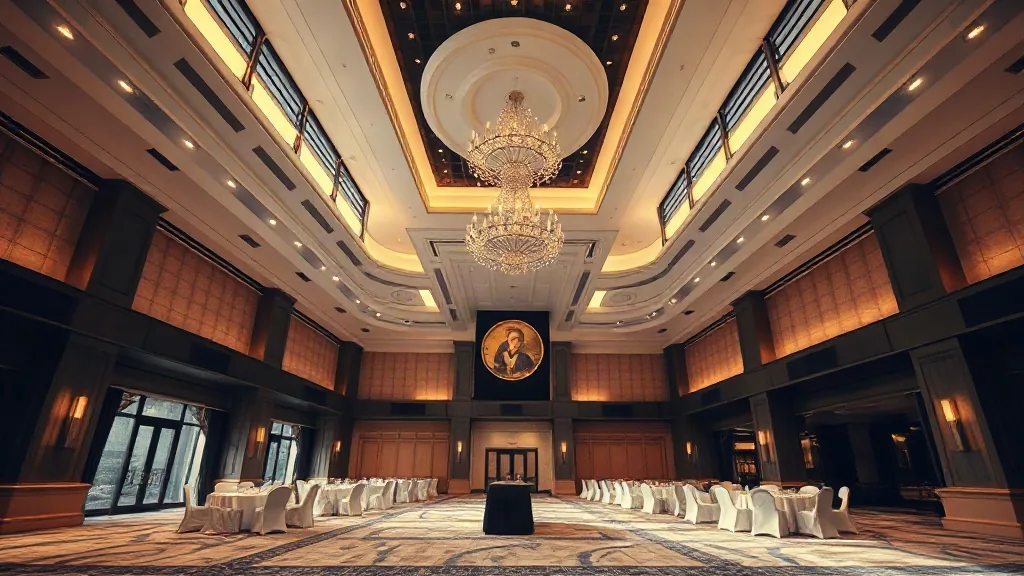
The first association general session I ran without a show-caller had eleven speaker transitions in 90 minutes, and I called every one of them myself from the front row, whispering into a headset I barely knew how to use. Two of the video rolls fired late. One presenter walked on to the wrong lower-third graphic. The content was fine. The seams showed, and in a room of 400 members who paid dues to be there, the seams are what they remember.
A show-caller, sometimes billed as a stage manager or a producer, is the person who says “standby video, and roll” so the crew doesn’t have to guess. On a simple single-speaker talk you don’t need one. On a multi-segment general session with swaps, rolls, awards, and a panel, the role is the difference between a program that flows and one that lurches. Most first-time planners leave it off the budget because they don’t know it exists as a line.
What the role actually does
A show-caller holds the annotated run of show and drives it in real time. Every cue lives in that document: mic swaps, light changes, video rolls, graphic changes, walk-on music, applause breaks. When the moment comes, the caller speaks the standby, then the go, and three or four crew members act on the same word at the same instant. The lighting op, the video op, the audio A1, and the stage-right handler all take the cue from one voice.
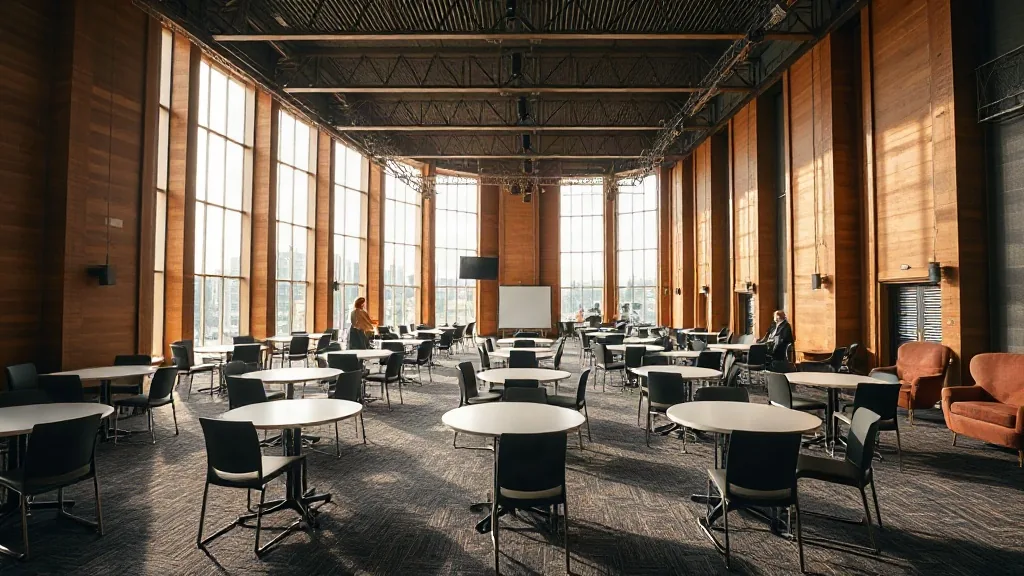
That single-voice discipline is the whole point. Without it, the video op is watching the speaker for a cue, the light op is watching the video op, and the handoff happens on a delay everyone can feel. I’ve timed it. An uncalled transition runs three to six seconds of dead air. A called one runs under two. Multiply six seconds by eleven transitions and you’ve lost more than a minute of a paid keynote to fumbling.
Why the AV vendor doesn’t just do it for free
Planners assume the AV crew handles this, and sometimes a lead tech will call a light show as a favor. That’s not the same thing. The A1 is mixing audio and cannot also read a 40-cue document and drive four departments. When you ask the AV lead to double as show-caller, you get a distracted A1 and a rushed caller, and both jobs suffer. A dedicated show-caller runs $600 to $1,200 a day depending on market and program length, and on a program with real production value it’s the cheapest insurance you’ll buy.
The role also protects your speakers. A confident caller feeds the stage manager the “two minutes to your walk-on” that keeps a nervous board chair from wandering off to the bathroom at the wrong moment. On a program with eight speakers rotating through a 90-minute block, that backstage traffic control is a job by itself, and it’s the part attendees never see and always benefit from. If you want to understand why even prepped speakers lose the thread on stage, my piece on confidence monitors and comfort monitors covers the sightline problem the caller helps manage.
The document is the job
A show-caller is only as good as the run of show they’re handed, and building that document is your job as the planner, done together with the caller in advance. A real run of show is not a printed agenda. It’s a minute-by-minute grid with a column for each department. Time, segment, who’s on stage, mic channel, light state, video or graphic, and the exact cue line.
Here’s a single row from a program I ran last spring. “10:42, Executive Director welcome ends, STANDBY video sizzle, GO on applause, light state 3 to blackout, ED exits stage left, host enters stage right on lav 2.” Every person on the crew sees their piece of that row. When the caller says the words, nobody guesses.
I build the draft, then I sit with the show-caller and the AV lead for a 60-minute production meeting the afternoon before. We walk every cue. We catch the transition where the awards need a lighting change the venue’s house board can’t do fast enough, and we solve it before the doors open, not during the ceremony.
What the venue has to support
The room shapes what a show-caller can pull off. A conference center ballroom with a proper tech table at the back of house and a clear line of sight to the stage is what you want. The caller has to see the stage and the confidence monitors to time cues to what the speaker is actually doing. If the tech position is jammed behind a pillar or off in a side room on a video feed, the timing gets loose.
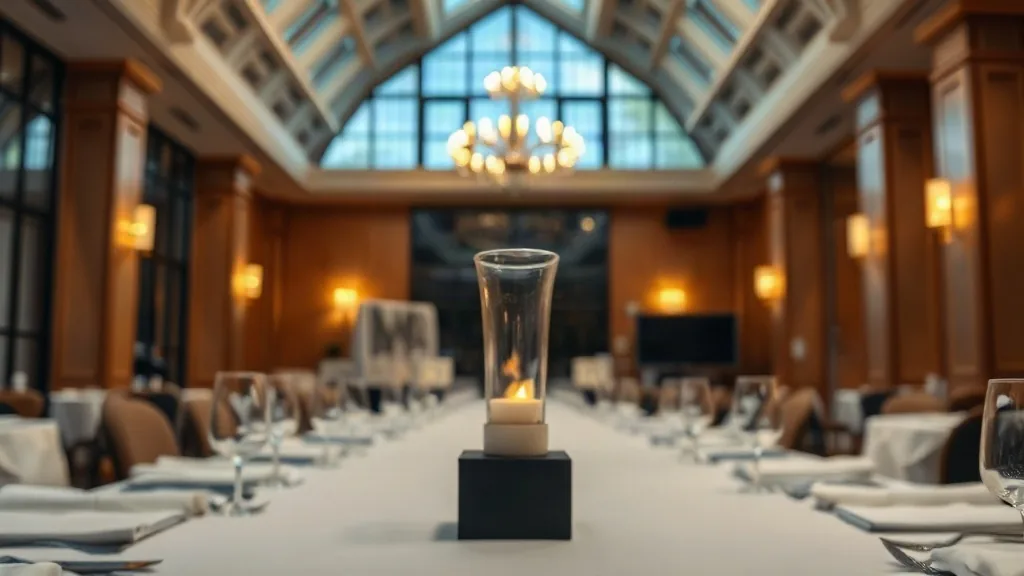
Ask the convention center or theater three questions on the site visit. Where does the tech table go, and does it see the stage? Is there a clean intercom system, or do we bring our own headsets? Can the house lighting take manual cues fast, or is it locked to preset scenes on a wall panel? A room where the lights only change from a wall switch behind a locked panel is a room where your caller can’t call a light cue, and that changes your whole approach to staging.
When you can skip it
I’m not going to tell you every event needs a show-caller. A single keynote with one speaker, one deck, and no video rolls does not. A training day with a facilitator running their own slides does not. A 30-person board meeting does not. The role earns its cost when the program has multiple moving departments and multiple transitions, which in practice means most general sessions over about 150 people with any production ambition.
The test I use: count the transitions and count the departments. If you have more than six transitions and more than two departments (audio plus lighting, or audio plus video), you want a caller. Below that, your AV lead can carry it, and you should ask them directly whether they’re comfortable doing so.
Budget it early, because it’s the line that gets cut first and missed most. When I scope a general session now, the show-caller goes in before the fancy stage set. A plain set called well beats an expensive set called badly. My notes on stage design on a mid-market budget and how to scope AV for a conference both assume you’ve protected this role first.
Send me your run of show, or even just the rough agenda with the segment count. Tell me how many speakers, how many video moments, and whether there’s an awards block. I’ll tell you whether you need a show-caller and what it should cost in your market.


