
Stage design on a mid-market budget that still films well
You do not need a $90,000 stage to shoot clean video. You need the right backdrop depth, a two-color wash, and a camera-aware setup. Here is how I build a stage under $18,000 that still cuts together for the reel.
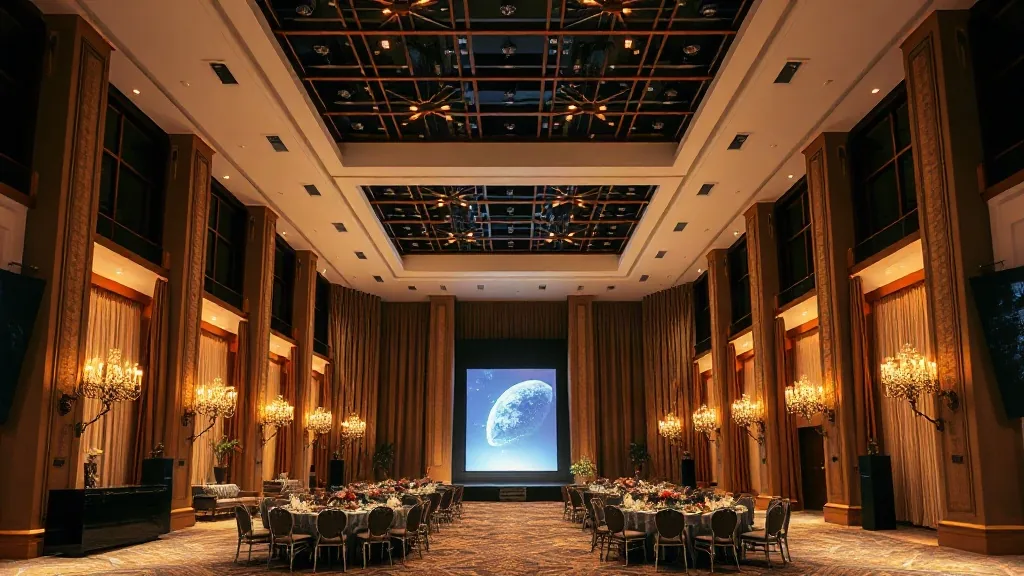
A production company quoted my client $91,000 for a general-session stage last spring. Two curved LED walls, a custom scenic build, a truss cathedral over the audience. It was gorgeous on the render. My client had $18,000 for staging and a mandate to come out of the day with a two-minute highlight reel the marketing team could actually use. We hit both numbers. The stage looked like money on camera and cost less than a quarter of the quote, and the trick is knowing what the lens rewards and what it ignores.
The camera does not care about the things you think it cares about
Here is what I learned running stages for agency clients who all wanted broadcast polish on a mid-market line item. The camera rewards depth, contrast, and clean color. It ignores square footage, scenic detail past 20 feet from the lens, and about 80 percent of what an in-person audience notices. A build that reads as premium in the room can look flat and cheap on video, and a modest build with the right separation can look like a network set. Spend against the lens, not against the ballroom.
Backdrop depth is the cheapest premium you can buy
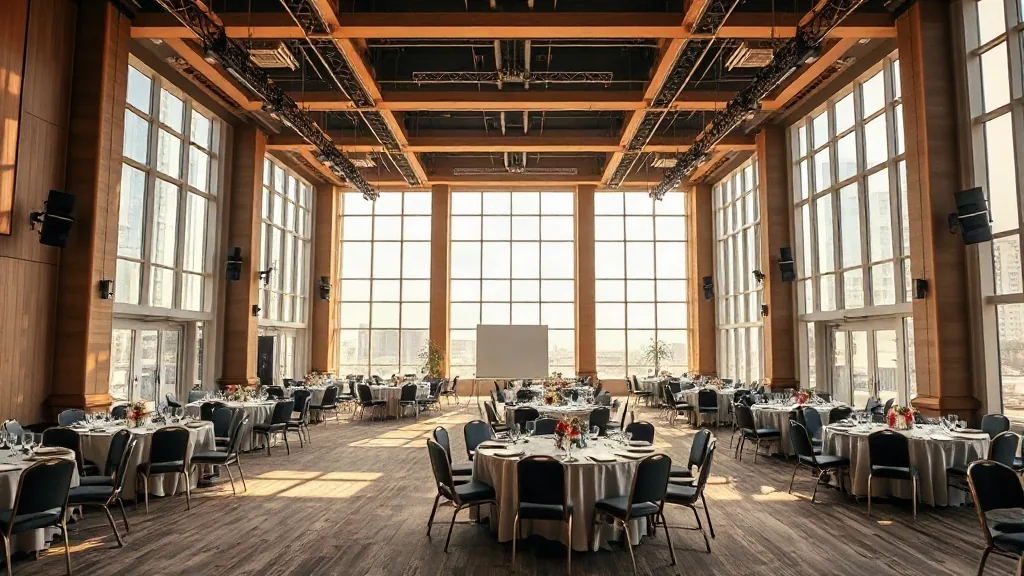
The single biggest tell of a cheap stage on camera is a speaker standing flat against a wall or a pipe-and-drape line. No depth. The fix costs almost nothing. Pull your backdrop 6 to 8 feet forward of the actual back wall and light the gap. That separation gives the camera a background layer the speaker pops off of, and it lets you throw a color wash behind them that reads as intentional design instead of a hotel ballroom.
I build the backdrop out of a single 16-foot-wide fabric panel on a frame, roughly $1,200 to $1,800 rented and hung, plus a low riser platform for the speaker at $600 to $900. That is under $2,700 for the element that does the most work in every shot.
One LED wall, used as a background, not a scenic centerpiece
A single 12-foot by 7-foot LED wall runs $6,000 to $9,000 for a day in a mid-market metro including the processor and an operator. That is the biggest chunk of my $18,000, and it earns it. Used right, a modest wall behind and slightly offset from the speaker gives you a content background for lower-thirds, brand loops, and slide support, and it fills the frame with light and color so the shot never looks empty.
The mistake is treating the wall as a giant TV that mirrors the speaker’s slides at full brightness. Crank it up and it blows out the camera exposure and turns the speaker into a silhouette. I run the wall at 40 to 60 percent brightness with a motion-graphic background loop, not raw slides, and keep the literal slide content on confidence monitors and the stream. The wall sets the mood. It is not the teleprompter.
Lighting is where mid-market stages die, and it is fixable for $4,000
A speaker lit by the venue’s overhead house wash looks gray and tired on camera, with raccoon shadows under the eyes. Front light is non-negotiable for video. I budget two LED key lights and a fill for the speaker position, plus four to six wash fixtures for the backdrop color, which lands around $3,500 to $4,500 with a lighting tech for the day.
Two-color logic keeps it simple and keeps it looking designed. Warm, clean white on the speaker, so skin tone reads natural. One saturated brand color on the backdrop and wall, so the frame has identity. That is it. Three and four color washes look busy on camera and eat your operator’s setup time. Pick the brand color, wash the back, key the front, and the reel cuts together clean.
Cameras: two is the floor for a usable reel
If the whole point is footage the marketing team can use, you cannot shoot it on one locked camera. That gives you 40 minutes of a single wide angle and nothing to cut to. Two operated cameras is the honest minimum: one wide on a tripod holding the full stage, one on a longer lens catching the speaker’s face and hands. A third on a slider is a nice-to-have I cut first when the budget tightens.
Two camera operators plus a small record setup runs $2,800 to $3,800 for the day. That is the line clients try to delete, and it is the line that determines whether they get a reel or 40 minutes of unusable wide shot. If footage is the deliverable, the cameras are not optional. Read the AV cost ratio that always works before you let anyone cut this line, because it is the ratio that keeps the day from filming like an afterthought.
One more thing about the cameras that saves money downstream: shoot to a slightly wider frame than you think you need, and shoot the speaker with a little headroom and side space. A tight, perfectly composed live shot leaves the editor no room to reframe for a vertical clip or a 16:9 lower-third. Give the edit margin in the frame and you get three aspect ratios out of one shoot instead of paying to reshoot pickups later. That is a free decision made at the camera, not a budget line.
The $18,000 build, itemized
Backdrop, frame, and riser: $2,700. Single LED wall with operator: $7,500. Lighting package with tech: $4,200. Two-camera record package: $3,200. That is $17,600, with a little room for the extension cords and gaff tape that always show up on the final invoice. It films like a stage three times the price, because every dollar went against the lens.
Where the venue helps or hurts
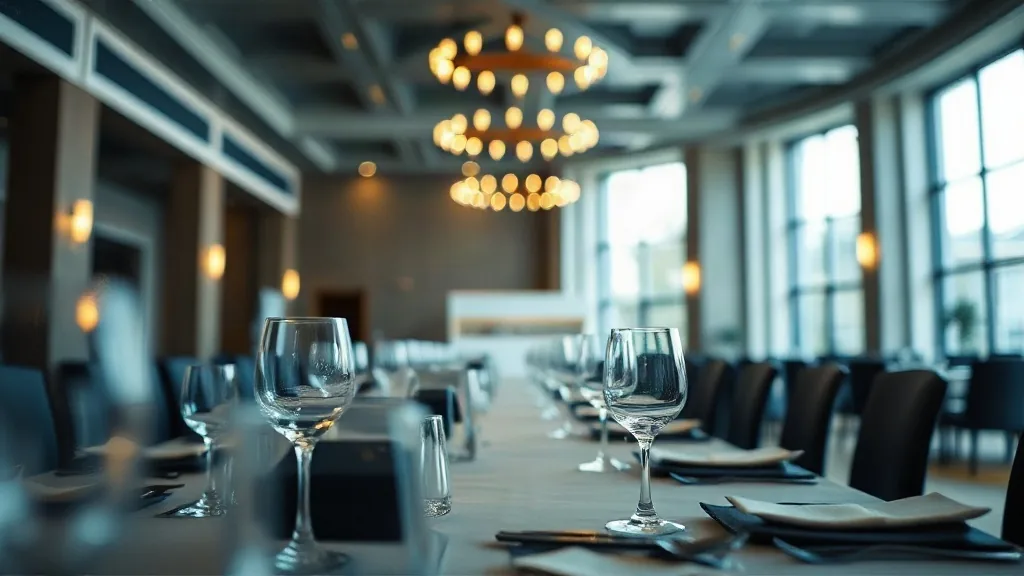
This build assumes ceiling height and a room that can go dark. A ballroom with 10-foot ceilings and windows you cannot black out will fight you on both the backdrop depth and the LED exposure. When I shortlist conference centers and event venues for a filmed general session, I ask for ceiling clearance, whether the room blacks out, and where the house power drops sit. A theater or performing-arts space already solves most of this, since it is built for a lit stage and a dark house, and sometimes renting one for the general session beats fighting a bright ballroom with rental gear.
Scope it before you shoot it
Before you sign any staging quote, walk the room against how to scope AV for a conference so you know the power, rigging, and sightline realities. If you are also streaming, the hybrid event AV reality check will keep you from double-paying for a setup that serves the room but not the camera.
Send me your staging budget, your ceiling height, and whether the reel or the room is the priority. Those three answers tell me exactly where your dollars should land. What is your number, and what does the footage need to do afterward?


