
Signage and printing lead times that wreck a last-minute event
The venue is booked and the run of show is locked, but the print shop needs five business days and it's Wednesday. Here's what actually prints fast, what the rush fee buys you, and how to sequence artwork so signage never becomes the thing that fails on load-in morning.
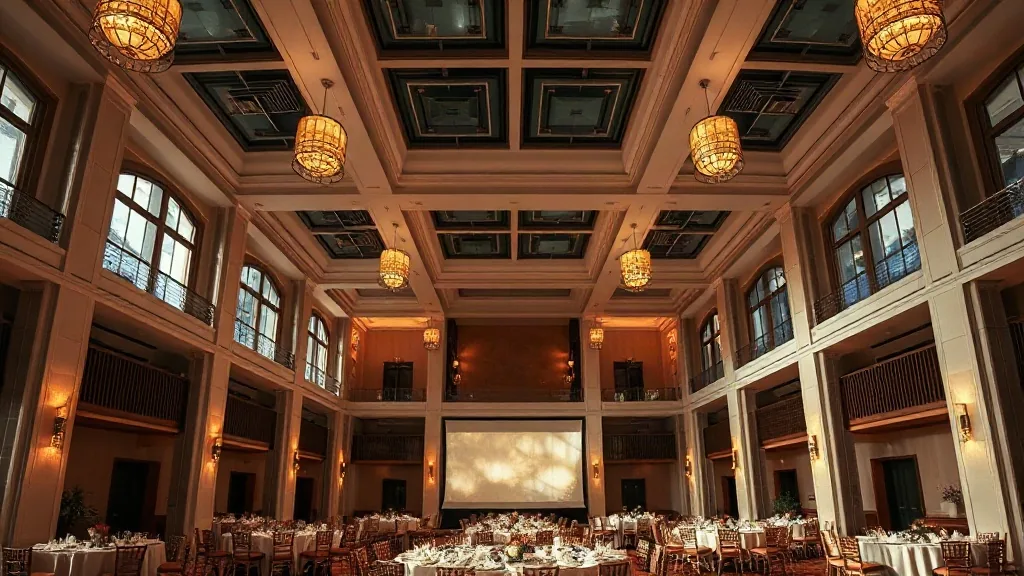
The call I get most often, ten days out, is some version of “the venue is set, can you help with signage.” Ten days sounds like plenty. It isn’t. A standard wide-format shop quotes three to five business days on foam board and vinyl, and that clock doesn’t start until they have print-ready artwork with a 0.125 inch bleed and outlined fonts. If your designer is still moving the logo on Thursday, your Monday install is already gone.
I came up through AV, so I think in load-in sequences, and print is the one line item planners treat as an afterthought until it becomes the emergency. Let me walk through what the print calendar actually looks like, because the lead times are fixed physics, not negotiation.
What each sign type actually needs
Not all signage prints on the same clock. Lumping it into one “signs” line on the budget is how people get burned.
A vinyl banner, 3 feet by 8 feet, hemmed and grommeted, is the fast one. Most shops run it in two business days, sometimes next-day if the file lands before noon. That’s your welcome banner, your sponsor bar, your registration header. If you want the dollar side of all this, I break the rates down in printing and signage cost patterns, because the lead time and the price move together.
Foam board and gatorboard, the 24 by 36 directional signs on easels, need three business days at standard because they’re mounted after print and the adhesive needs to cure before trimming. Rush them and you risk bubbling.
A step-and-repeat, the 8 foot by 8 foot backdrop with the repeating logo, is a five-day item. The fabric or vinyl prints fast, but the aluminum frame ships from a different warehouse than the print, and if the frame and the graphic don’t arrive together you have a wall with nothing on it. I’ve watched a team unbox a perfect print at 6am with no hardware to hang it.
Badges are their own trap. Pre-printed badges with names need your final attendee list, and the list is never final. On-site badge printing solves the version problem but adds a $600 to $1,200 equipment and operator cost for a two-day conference, plus a thermal printer that jams if the stock humidity is wrong.
The rush fee buys queue position, not speed
Here’s the part nobody explains. A rush fee, usually 25 to 50 percent on top of the base, doesn’t make the printer faster. It moves your job to the front of the queue and often triggers overtime for the operator. The ink still needs the same dry time. The laminator still runs at the same feet per minute.
So a rush fee on a banner is money well spent, because the banner’s real constraint is queue position. A rush fee on a laminated foam directional is half wasted, because the lamination and cure time don’t compress. I tell clients to rush the banner and the step-and-repeat graphic, and to accept standard on the boards, then design the boards so a one-day slip doesn’t matter.
Sequence the artwork, not just the print
The lead time that actually wrecks events isn’t the print shop. It’s the approval chain in front of it.
Signage copy runs through more hands than any other deliverable. The sponsor logos need the sponsor’s brand team to send the correct vector file, and half of them send a JPEG pulled off a website at 72 dpi that prints like a photograph of a logo. The room names change when the agenda changes. The CEO’s title on the keynote sign gets corrected the night before by someone in comms who was never on the thread.
I build a signage freeze date, and I put it 48 hours before the print deadline, not on it. Everything gets one round of proofs, one round of corrections, then it’s locked. When someone asks for a change after freeze, the answer is a reprint charge and a new lead time, and once that’s a written policy people suddenly find their edits earlier.
For a fast-turn event I also cut the sign count. A convention center with permanent wayfinding needs maybe six of my signs, not the thirty a designer will happily bill. Fewer signs means fewer files, fewer approvals, fewer things to go wrong at 6am.
The venue changes the whole calculation
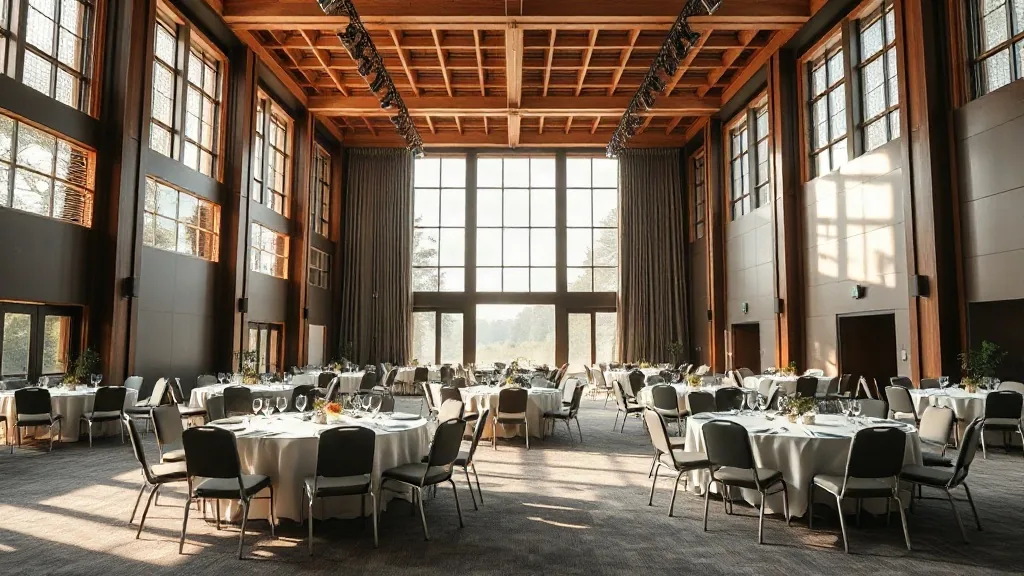
Where you’re printing to matters as much as when. A raw warehouse venue has no house signage, no digital screens, no directional anything, so every arrow and every room name is on you. That doubles the print list versus a purpose-built space. A blank box is a beautiful photo and a signage tax you have to budget four figures for.
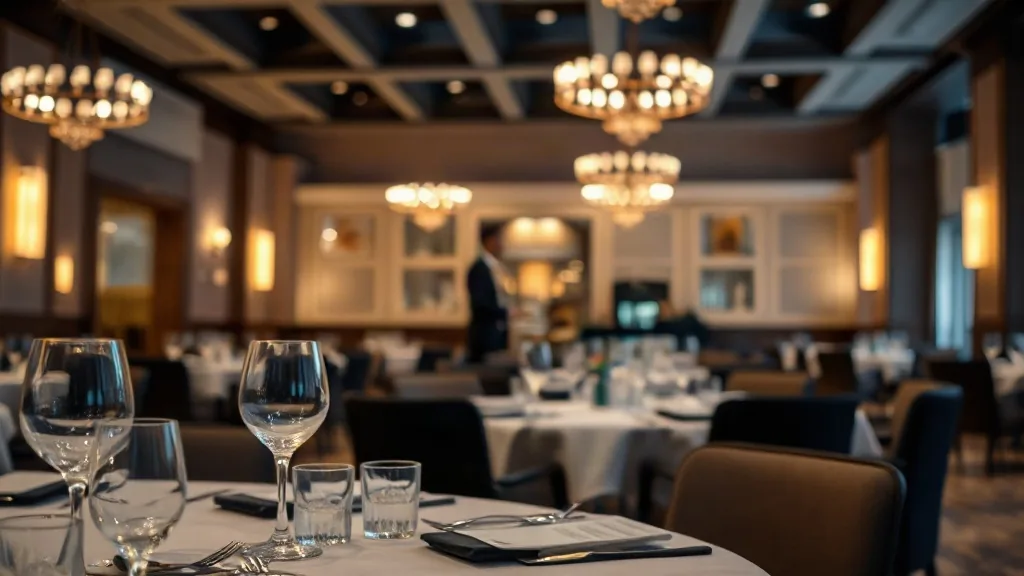
A hotel or event venue built for meetings usually has digital display boards in the pre-function area. If the venue can push your agenda and room assignments to those screens, you just deleted a dozen printed schedule boards and their approval chain. Ask for the display spec in the site visit, the resolution and the file format, because feeding a 16:9 screen a poster-shaped PDF gets you black bars and a bad look.
Even the printed signs you keep have to survive a building that fights them. A space with no house wayfinding turns every arrow into a placement problem, which I get into in signage and wayfinding in a venue that was not built for it. Plan the placements at the same time you plan the print, not on install morning.
The 10-day timeline that actually holds
When someone hands me a booked venue and ten business days, here’s the sequence I run.
Day 10 to 8: finalize the sign list and room names, lock the layout, gather sponsor vector files. Chase the JPEG senders now, because that’s the slow thread.
Day 7: designer produces proofs for everything at once. One batch, not a trickle.
Day 6: single round of corrections. This is the signage freeze.
Day 5: banner and step-and-repeat graphic go to print on rush. Foam boards go on standard.
Day 3: prints ship or get picked up. Check the step-and-repeat frame is in the same delivery as the graphic.
Day 1: everything is in the box, staged, labeled by install location. On-site badge printer tested with real stock.
That timeline works because it front-loads the approvals and treats print as the last thing, not the first. The events that fail do it backward, sending files piecemeal and hoping the shop absorbs the chaos.
I’ve never seen a print shop cause a signage disaster. I’ve seen a dozen approval chains do it. The paper is honest. The people are the variable.
What’s your event date and your current sign count? Send me the load-in day and I’ll tell you which of your signs are already at risk and which ones you can still cut.


