
Simultaneous interpretation setups for a multilingual summit
The interpreter booth, the receiver count, and the language routing are where multilingual summits quietly overspend or fall apart. Here is how I spec the room, budget the day, and keep three languages running without a dropout.
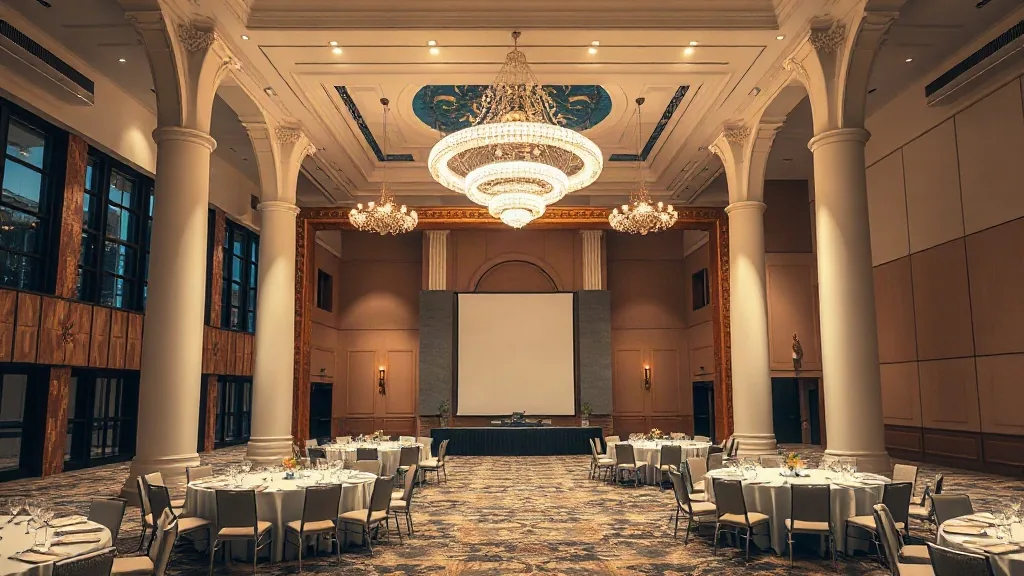
Two years ago I ran a pharma investor day for a client with English, Spanish, and Mandarin in the room at once. The interpretation line item came back at $11,400 for a single seven-hour day, and my client’s CFO circled it in red before I could explain what it bought. It bought two booths, four interpreters, 180 receivers, a technician, and the difference between 60 people following the CEO and 60 people watching her mouth move.
Simultaneous interpretation is the kind of spend that looks padded until you understand what each piece does. So let me walk the room the way I build it.
Simultaneous versus consecutive, and why it changes the whole day
Consecutive interpretation is the cheap version. The speaker talks, stops, the interpreter repeats it in the target language, then the speaker continues. It doubles your run time. A 45-minute keynote becomes 90 minutes, and every panel bleeds into the next session. For a two-language town hall with a loose agenda, consecutive is fine and it costs you one interpreter and no hardware.
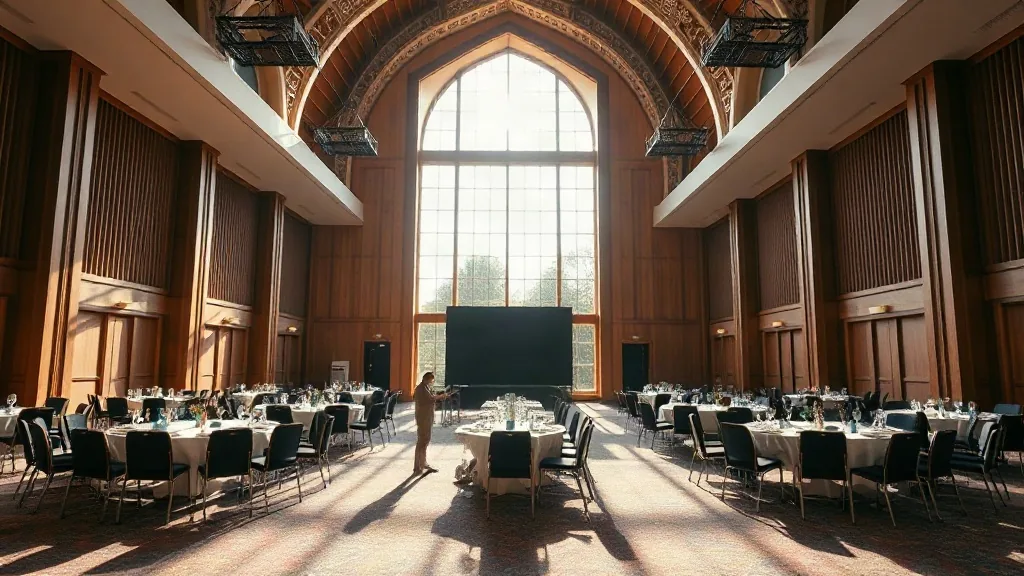
Simultaneous is the real-time version. The interpreter listens through a headset and speaks the translation into a microphone with about a three-second lag, and the audience hears it live through a receiver. Your agenda stays on schedule. That is the whole reason it exists. For a summit with a fixed run-of-show and more than two languages, simultaneous is the only setup that keeps you on time, and it is the one that carries the hardware bill.
What actually sits in the room
Here is the equipment list I hand the venue, and roughly what each part runs.
An ISO booth per language pair. A proper soundproof booth is 6 feet by 6 feet, seats two interpreters, and rents for $900 to $1,400 per booth per day. For Spanish and Mandarin I need two booths. Tabletop booths exist at half the price, but they leak sound, and in a live ballroom the interpreter hears the room bleeding into her own mic. I stopped using tabletop booths after one interpreter told me she could hear the coffee service more clearly than the speaker.
Two interpreters per language. This is the part clients fight me on. Interpreters work in pairs and swap every 20 to 30 minutes because the cognitive load is brutal, and a solo interpreter degrades fast after half an hour. A full day of simultaneous work is a 6-hour engagement at $650 to $900 per interpreter, so budget four interpreters for a three-language day. That is the $11,400 my CFO circled, and it is not negotiable if you want accuracy after lunch.
Receivers and headsets. Every attendee who needs a translated feed carries a bodypack receiver with a single earpiece. They run about $4 to $7 per unit per day, plus a refundable deposit or a swipe of a credit card at the check-in table because people walk off with them. For 180 people I order 200 to cover loss and dead batteries. Budget the lost-unit replacement at $80 to $150 each and put a line for it in the contract.
A transmitter and a technician. One RF or infrared transmitter feeds all the receivers, and you need a live tech at the console for the full day at $600 to $800. The tech is the person who catches a dead channel before your Mandarin audience realizes they have been listening to silence for four minutes. I have watched that exact failure happen at a venue that skipped the tech to save money. Never again.
Room routing, which is where it goes wrong
The signal path matters more than the gear. The speaker’s microphone has to feed the interpreter’s headset cleanly, which means the interpreters need a dedicated audio feed off the main mixer, not a room mic pointed at the stage. If the interpreter hears the same muddy room sound the back row hears, the translation degrades and the lag stretches to five or six seconds.
I ask the conference centers on my shortlist one question before anything else: can your house console send a clean program feed to a booth position, and where does that position sit relative to sightlines to the stage. Interpreters translate tone and gesture too, so they need to see the speaker, not a monitor in a back hallway. A venue that puts the booth behind a pillar is telling you it has never run real simultaneous interpretation.
The venue type shapes how easy this is. Big convention centers usually have the ballroom depth to place two booths with clean stage sightlines and a house console built to send isolated feeds, which is why multilingual summits gravitate to them. A ballroom inside a hotel or resort can work, but the booths eat covers off your seating count, so a 180-person feed in a room set for 200 gets tight fast. Ask for the room’s set capacity with two 6-foot booths already subtracted, not the empty-room number the sales sheet quotes.
Where the language count changes the math
Two languages is one booth and two interpreters. Manageable. Three languages roughly doubles the labor and adds a booth. Four or more languages and you are into a relay setup, where one interpreter translates into a pivot language and the others translate off that pivot. Relay adds lag and adds a point of failure, so for a four-language board meeting I would rather split the room or stagger sessions than run a four-way relay on a tight agenda.
Accessibility is part of this, not separate from it
The same receiver system that carries Spanish can carry an assistive listening feed for hard-of-hearing attendees, and in the US that assistive channel is an ADA obligation for many events, not a nicety. When I spec the transmitter I add a channel for assistive listening at no real extra hardware cost. It rides on the system you already paid for. Put it on the registration form as a language option alongside the spoken languages so nobody has to ask for it at the door.
The budget shape for a real day
For a 180-person, three-language, single-day summit in a major metro, here is the honest number. Two booths at $1,200 each is $2,400. Four interpreters at $800 is $3,200. Wait, that is already low against my real invoice, because major-metro interpreters and rush booking pushed my four to $900 and added a half-day pre-brief. Receivers at 200 units run about $1,000. Transmitter and tech run $1,400. Delivery, setup, and strike add $1,500. That lands between $9,500 and $12,000 before the venue’s own AV markup, which is a separate fight I have written about elsewhere.
If that number scares the CFO, the lever is not the interpreters. It is the language count and the room count. Ask whether the Mandarin audience actually needs live translation or whether a recorded, subtitled replay the next day covers them. Sometimes the answer shrinks the day honestly. Cutting the second interpreter to save $800 just breaks the afternoon.
Before you book anything
Read what interpretation and translation actually cost for multilingual events so the CFO sees the ranges before you present. Then read the interpreter who quit at intermission, because the failure mode there is exactly the solo-interpreter fatigue I keep warning about. And scope the underlying signal path with how to scope AV for a conference before the venue quotes you, because interpretation rides on top of a clean house feed and nothing else.
If you send me your language pairs, your headcount, and whether your agenda is fixed or loose, I can tell you in one pass whether you need simultaneous or whether consecutive saves you five figures. What languages are in the room, and how many people in each?


