
Snow-belt winter meetings: skybridges and covered load-in
A January meeting in Minneapolis kept 280 people warm and dry because the hotel connected to the convention center by skyway. Here is how to read a winter city's covered infrastructure before you book, and what a covered load-in saves your AV crew.
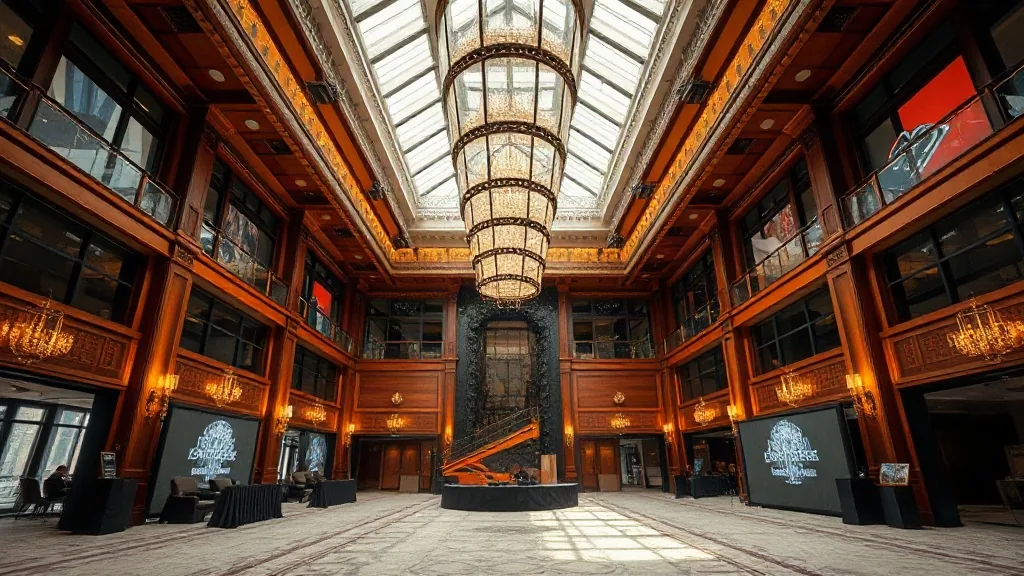
It was 4 degrees and blowing snow in Minneapolis the morning of a 280-person January sales meeting, and not one attendee put on a coat to get from their room to the general session. The hotel connected to the convention center by an enclosed skyway two floors up, and guests walked the whole route in shirtsleeves. Across the street, a competing property with no skyway connection would have put those same 280 people out onto an icy sidewalk in a windchill well below zero, twice a day. I have booked winter meetings in warm cities and cold ones, and the single feature that decides whether a snow-belt event feels smooth or miserable is covered, connected infrastructure. Most planners never ask about it.
If you’re running a meeting December through March in Minneapolis, Chicago, Milwaukee, Cleveland, Detroit, Cincinnati, or any city that builds for winter, the skyway system and the covered load-in are worth more than a slightly better rate at a disconnected property.
What a skyway system actually buys you
Several northern cities built enclosed elevated walkways connecting hotels, convention centers, offices, and parking across whole downtown cores. Minneapolis has miles of them. When your headquarters hotel connects by skyway to the convention center hosting your general session, your attendees never go outside between waking up and the closing reception. In a windchill of minus 15, that is not a luxury. It is the difference between an event people enjoy and an event people endure.
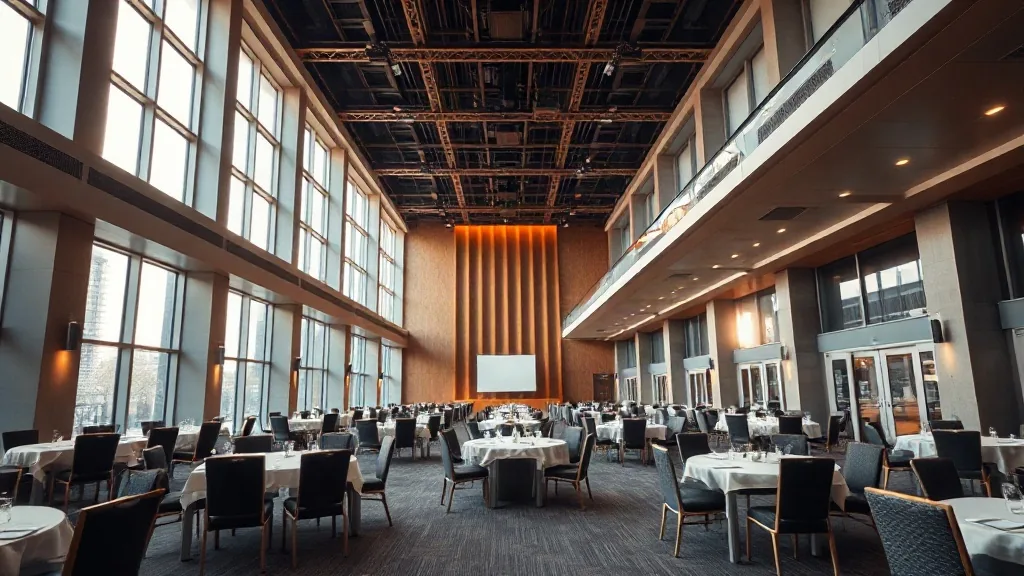
The value shows up in ways that don’t appear on a rate sheet. Nobody is late to the 8 a.m. session because they underdressed for the walk. Nobody’s badge and materials get soaked. Older attendees and anyone with mobility limits aren’t crossing ice. Attendance at the early sessions holds because getting there is trivial. I have watched morning attendance drop 20 percent at a disconnected property in a storm, because a walk across a frozen street at 7:45 a.m. is a reason to skip breakfast and sleep in.
How to read a winter city before you book
Before I commit to a cold-weather city, I map the covered connections between the properties I’m considering. Three questions:
- Is the headquarters hotel physically connected to the meeting space? Skyway, tunnel, or shared building. “Two blocks away” is not connected when it’s 4 degrees.
- Do the overflow hotels connect too, or just the headquarters? If your block spills into a second property, check whether that one is on the skyway. Attendees in the overflow hotel are the ones who get stranded.
- Does parking connect under cover? Drive-in attendees and staff hauling gear want covered parking with an enclosed route to the space, not a surface lot.
I get this from the convention bureau’s skyway map and confirm it on the site visit by walking the actual route in the actual weather if I can. A connection that exists on a map but requires going outside for one block to cross a street is a broken connection in a storm.
The covered load-in your AV crew will thank you for
The guest experience gets the attention. The load-in gets none, and it is where winter wrecks an event. My AV and production crews load in the day before through whatever door the venue gives them, and in a snow-belt city that door matters enormously. A covered, heated loading dock means gear comes off the truck dry, cases don’t ice up, and the crew isn’t fighting a snowbank to roll a 400-pound amp rack up a ramp.
An uncovered dock in January means every road case gets a coat of snow, condensation forms when cold gear hits a warm ballroom, and sensitive electronics have to sit and acclimate before they can be powered up safely. That acclimation can cost you two hours of setup time you didn’t budget, and a projector or a console that gets powered up with condensation inside is a real failure risk. I ask the venue directly: is the loading dock enclosed and heated, and is the path from dock to ballroom entirely indoors? A convention center built for winter almost always says yes. An older conference center or a repurposed building may not, and that changes my load-in schedule and my risk.
What connectivity is worth paying for
A connected headquarters hotel in a winter city often prices above a disconnected one, because the connection is a real amenity and the property knows it. I pay it, within reason, because the alternative costs show up elsewhere: lower early-session attendance, cranky guests, a soaked registration desk, and a load-in that runs long. When I compare a connected property at a higher rate against a disconnected one at a lower rate, I price in the guest experience and the production risk, and the connected property usually wins for a multi-day meeting in deep winter.
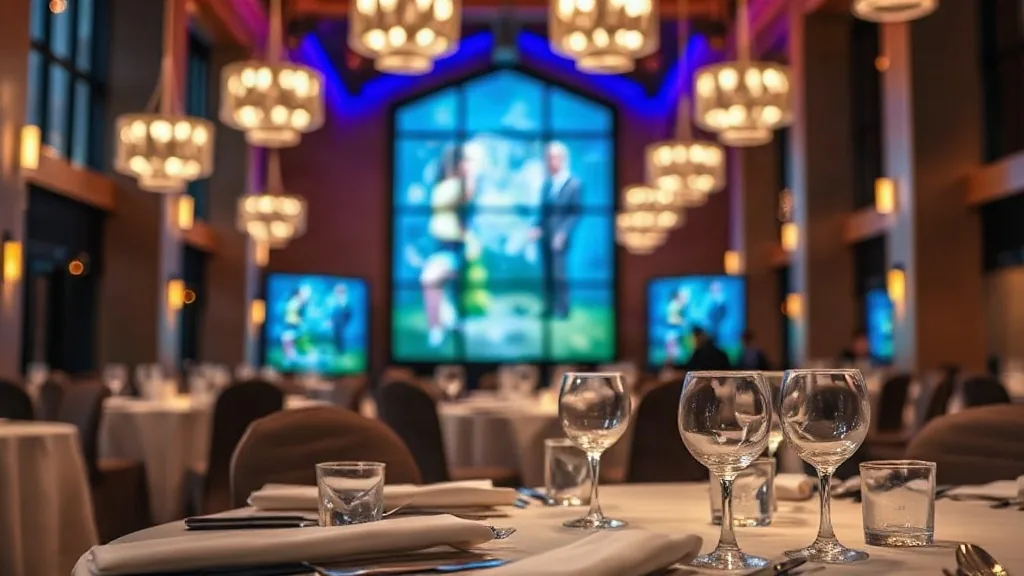
The exception is a single-evening event or a one-day meeting where guests arrive once and leave once. Then a disconnected property with valet at the door and a short covered entry can work fine, because you’re not asking anyone to cross the skyway twice a day for three days.
The accessibility angle
Covered connection is an accessibility feature, not just a comfort one. Ice is the enemy of anyone using a wheelchair, a cane, or a walker, and a snow-belt sidewalk in January is a fall risk the venue can’t fully control. A skyway route removes that hazard entirely. This is part of the same accessibility walkthrough I run before contract: in a winter city, the covered route between rooms and sessions is an access requirement, and I check it with the same seriousness as ramps and door widths.
The pre-book checklist
- Map the skyway or tunnel connections between headquarters hotel, meeting space, overflow hotels, and parking.
- Walk or verify the actual route, confirming it never goes outdoors.
- Ask whether the loading dock is enclosed and heated and whether the dock-to-ballroom path is fully indoor.
- Build extra load-in time if the dock is uncovered, and warn the AV team to plan for gear acclimation.
- Price the connected property’s premium against the attendance and production risk of a disconnected one.
The Minneapolis meeting felt easy because 280 people never touched the weather. That ease was booked in July, when I chose the connected hotel over the cheaper one across the street.
If you’re planning a winter meeting in a cold-weather city, tell me the city, your headcount, and whether it’s multi-day, and I’ll tell you which properties connect under cover and whether the load-in will fight you. What city and dates are you looking at?


