Summer slowdown pricing and the cities where it is real
In Washington, August hotel rates drop 70 percent, but not every city follows that pattern.
July in DC is a ghost town, and I don’t mean the monuments. The $850 room rate I quoted a client for a May association board meeting drops to $289 at the same property once the Fourth passes. That delta, nearly 70 percent, is the entire reason I build my calendar around the August lull. But I have learned the hard way that this magic trick does not work in every city, so I am going to tell you where I chase the discounts and where I do not bother.
Why August rates collapse, and why they do not
The pricing dip follows the calendar of government and school closures. In DC, the federal workforce takes off, Congress leaves town, and the association crowd stops flying in for hearings. My Washington properties quote me summer concessions that I could not get them to entertain in April. I have a client who books a 40-person policy roundtable every September, but we sign the contract in late July, locking in the softer rates before the fall season begins to harden.
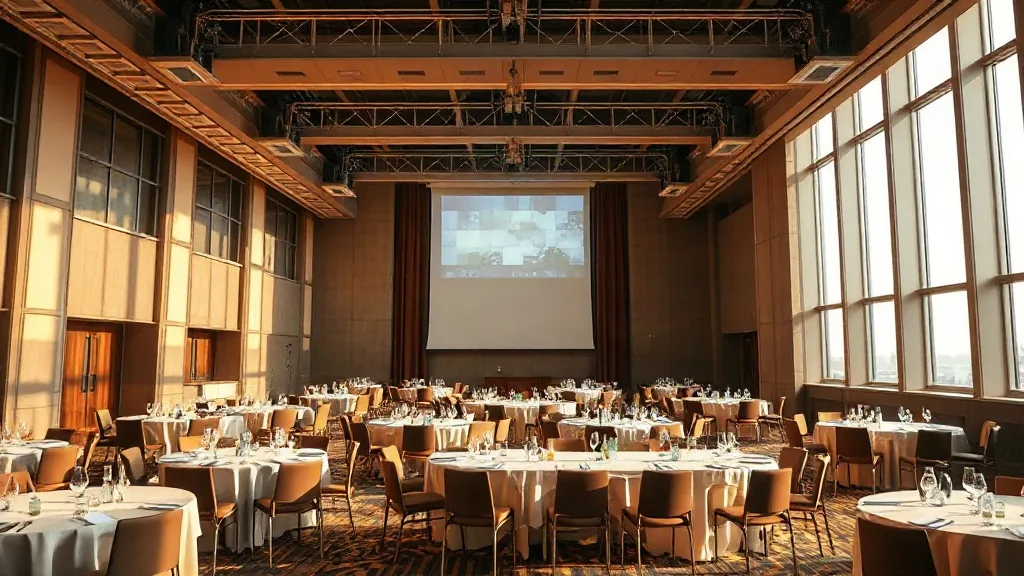
The flip side is the resort logic. Try asking for a summer concession in San Diego or Miami and you will get a polite laugh. Those properties run their high season from Memorial Day through Labor Day, so their rate cards go up, not down. I learned this when a client asked me to move a June launch event to August to save money. The quote came back 18 percent higher, and I had to explain that we were paying for the beach, not against it.
Here is the concession I promised earlier: the lower rate is often real, but the soft goods disappear. That $289 room in DC might not include the complimentary breakfast or the evening reception hour that was bundled into the May rate. I always ask my sales contact what amenities are carved out of the summer quote, because the net swing is often closer to 40 percent than the headline 70.
Where the discount is real: specific cities and their math
For me, the true summer discount has three dependable homes: the national capital region, college towns in the Northeast, and the meeting-focused hotels in the Mountain time zone that cater to fly-in groups rather than road-tripping families. I keep a running list of the properties I have used, and I made a specific note about a hotel in Brandon, South Dakota that surprised me with an aggressive summer group rate because the local economy is tied to agricultural cycles that do not peak in July. The demand curve has as much to do with the local employer mix as the weather.
When I see a quoted reduction of 35 percent or more against the March rate card, I ask two questions. First, is the space actually available for our full agenda, or are we being routed into a smaller function room? Second, does the contract include a rebooking clause if the attendee projection drops? In summer, attrition clauses are often relaxed because the hotel is just trying to get heads in beds, but I still want that protection in writing.
The hotel math in Brunswick, Maine caught my attention this year. It is a coastal town, so August is the peak, but the properties there start offering deep September discounts that bleed into the late summer. A wedding-heavy weekend rate will fall off a cliff the Monday after Labor Day. For corporate board meetings that do not need beach weather, that is where I find the value. One client asked me to justify a September date, and I walked them through the cost difference between an August weekend and a late-September weekday: a swing of roughly $125 per attendee per night just for moving past the holiday.
The cities where summer pricing is a myth
I have stopped pitching summer savings to clients who want mountain resorts, desert luxury, or any city with a major music festival schedule. In Las Vegas, the summer is brutally hot, yet the room rates hold steady because the convention business runs year-round and the property owners would rather hold inventory than discount it.

I remember a proposal for a November product launch in Las Vegas, and my client asked if moving it to August would trim the budget. The answer was no, and the data was in the hotel’s own demand calendar. There are value periods in that city, but they align with the slower convention weeks in January and the weeks right before Thanksgiving, not the summer. The same logic applies to clients asking about a trip out to Mesquite, Nevada, which is a golf destination in high season during the fall, so the summer months actually run cheaper, but the tradeoff is triple-digit heat that kills outdoor evening receptions. I booked a client there once in July, and we ended up moving the welcome dinner indoors because the patio was unbearable at 6 p.m.
Phoenix is another market where I ignore the summer discount. The rooms get cheap because the snowbirds leave, and the rates can drop by half, but the attendee experience suffers when the high is 108 degrees and the travel windows narrow to early morning and late night. I ask myself whether the client will actually attend an event where the walk from the parking garage is a heat hazard.
There is also a quieter reason some cities do not discount: the local association market books far in advance. In Louisville and Nashville, the summer festivals pull in planners who signed contracts 18 months out, so the sales teams are not hunting for last-minute group business in the same way they are in DC.
How I structure the negotiation and what I ask for instead
When a client tells me they want summer pricing, I first check the destination against the demand logic I just described. If the target city clears that filter, I send a request for proposal to at least three competing properties, and I ask each one for a detailed breakdown of guest room rates, meeting room rental, and food and beverage minimums. The savings are rarely in the room alone. The real lever in the summer is the meeting space charge. In DC, a property that charges a $4,000 rental fee for a ballroom in March will often waive it entirely in August to secure the sleeping room block.
If a hotel will not move on the room price, I push on the attrition clause and the cancellation window. Many properties are willing to shorten the cancellation penalty from 60 days to 30 days during the slow season, because they know they have a better shot at reselling the space. That flexibility is worth real money.
I use a specific contract language in my summer agreements that swaps a fixed room rate block for a floating discount off the published best available rate. In a slow market, the published BAR itself tends to drift downward as the dates approach, so my clients get the benefit of the lower rate automatically rather than being locked into a number from the spring.
The advice I give every planner who asks about this: ask for the summer rate but negotiate the non-negotiables. I have walked away from a 40 percent room discount because the hotel refused to guarantee a late check-out for the group, which mattered more to my client than the dollars.
One thing I insist on is the food and beverage minimum. A steep room discount disappears if the venue requires a $12,000 minimum for a plated dinner that my crowd of 60 cannot eat. I ask the hotel for a credit against a la carte consumption instead.
Tell me the dates you are considering and the headcount, and I can tell you in a single email whether the summer slowdown is worth your time. If you are flexible on the week, I would ask for two or three date options so I can test the rates against the published convention calendar.