
The 2am Call That Something Happened to the Venue (And It Did)
My phone rang at 2:11am, nine hours before a 310-person sales kickoff. The venue had flooded. Not a pipe drip — an actual flood. Here's the fourteen-hour sprint that followed.

I am a light sleeper by professional necessity. Eleven years of event production will rewire your relationship with your phone. Anything after midnight that isn’t spam, I answer.
So when my phone rang at 2:11am on a Thursday in March, I was conscious before the second ring. The number was the venue’s after-hours facilities line — a number I had dialed once before, to confirm their overnight security contact, and had never expected to receive a call from.
The voice on the other end was calm in the way that people are calm when they are trying very hard not to alarm you. He told me there had been a water incident at the venue. A pipe in the mechanical room adjacent to the main ballroom had failed around 1:45am. Maintenance was on site. They were assessing. But the main event space had water on the floor.
“How much water,” I said.
He paused. “A meaningful amount.”
I was in my car within seven minutes.
What I found at 2:30am
The venue was a converted historic building in Atlanta — one of those beautiful early-twentieth-century structures with exposed brick and original hardwood floors that photographs extraordinarily well and has plumbing that was last seriously updated sometime in the Clinton administration. I had booked it for a client’s two-day sales kickoff: 310 people, hospitality technology company, $380,000 budget, sessions starting at 9am.
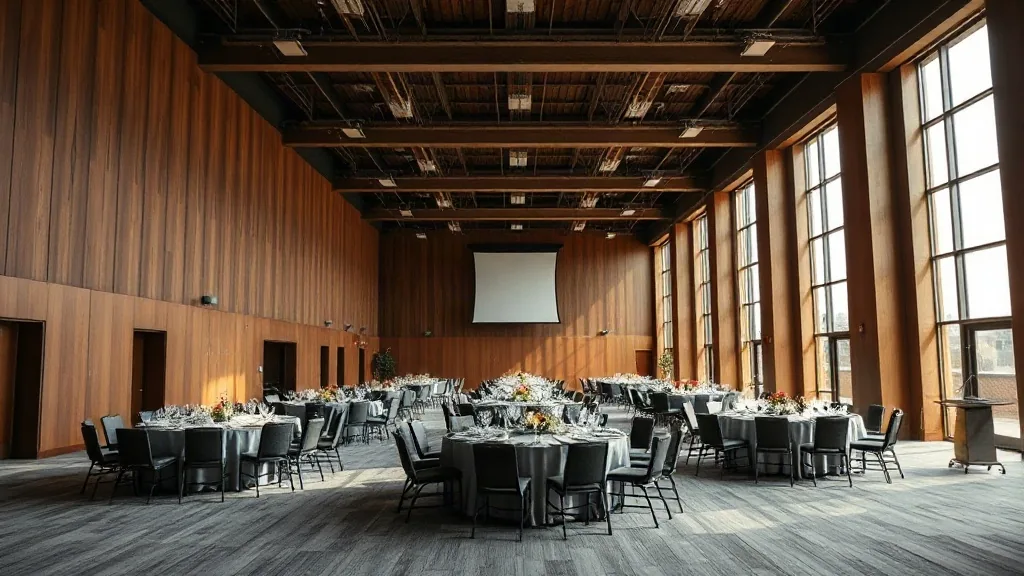
When I got there, the ballroom — which held the general session stage, 31 rounds of ten, a rear AV position, and all the production rigging we had spent two days installing — had approximately two inches of standing water across roughly sixty percent of the floor. The pipe had been in a mechanical chase directly above a storage room, and the water had come down through the ceiling and spread across the subflooring. The original hardwood was warped in two sections. The stage was on a raised platform and had avoided the worst of it, but the cables running from the stage to the rear AV position ran through conduit on the floor, and those conduits were submerged.
My AV lead, who I had called from the car, arrived twelve minutes after me. He walked the submerged conduit and said: we cannot certify that electrical system until it’s dried and tested. Running the event with potentially compromised cable runs was not an option he was willing to sign off on, and I respected that entirely.
It was 2:47am. We had nine hours.
The three calls I made before 3am
The first call was to my client — his COO, who I knew was awake because she texted me at 2:18am asking if she’d seen the venue’s name right on an emergency news alert. She had. I gave her the facts: flooded ballroom, current space not usable for tomorrow, we are actively sourcing alternatives right now, I will have options to you by 6am. She said: “How confident are you?” I told her: “I’ve done this before. I’ll have something real by six.”
I had not technically done this exact thing before, but I had been in enough crises to know that confidence in the next three hours was more useful than accuracy about the past.
The second call was to the hotel where we had our room block — the Marriott Marquis, five blocks away, because I have a religious commitment to blocking rooms within walking distance of any venue. I asked for the director of events. It took four minutes to get someone with authority, which was honestly impressive at 2:50am. I told her what had happened and asked a direct question: What space do you have available tomorrow starting at 7am for a 310-person general session?
She put me on hold for three minutes. Then she came back and said: Imperial Ballroom, capacity 350 for a theater-style setup, currently staged for a general session that ended that afternoon and not yet broken down. She could give me access at 6am to inspect and begin re-rigging.
I want to be clear: this was luck of the highest order. That room being available, staged, walkable from the hotel, at that exact moment — that was fortune. I did not engineer it. I got fortunate and I moved immediately.
The third call was to my AV lead, who was still in the flooded venue, to tell him we were pivoting to the Marriott Marquis and I needed him to evaluate what of our current rig could be dried, tested, and transported in time, and what we needed to rent locally by 7am.
He said: “I can give you a list by 4am.”
4am — what was salvageable
The stage pieces were fine. The display screens were on the raised platform and had not taken water. Most of the lighting rig was above the water line. The production tables and much of the crew gear was untouched. What we could not use: the submerged cable runs, several power distribution units that had been sitting on the venue’s floor, and the mixing board, which had been in the rear AV position on a rolling cart that someone had moved to the dry section of the room but not before significant humidity damage.
My AV lead called two Atlanta rental houses. The first was closed and would not answer. The second — a company I had never worked with but whose number I had in my contacts from a referral three years earlier — answered. The owner was the one who picked up. I told him what I needed. He said he had a mixing board in inventory, three power distribution units, and enough cable to re-run our positions. He quoted me a rate I did not negotiate because I was not in a position to negotiate. He said he could have it at the Marriott Marquis by 8am.
I sent him a wire authorization at 4:18am.
The guest experience decision
By 5am I had a viable plan. The harder question was the guest experience: 310 people who had been told for two months that the event was at a specific venue, with specific branding and setup that they had seen in the event guide, were now going to arrive at the Marriott Marquis instead.
I called the COO back at 5:30am. I gave her the update. She asked: do we tell guests now, or at arrival? I said: now. Email goes out at 6:30am with the new address, clear instructions, two sentences on why (“due to a facilities issue at the original venue, we’ve moved to a beautiful space just five blocks away”), emphasis on same agenda, same start time, same experience. She approved the language in twelve minutes.
We sent the email at 6:28am. I had two staff positioned on the street between the original venue and the Marriott by 8:30am to redirect any guests who hadn’t read the email.
Eleven guests needed redirecting. None were upset once they understood.
How the day ran
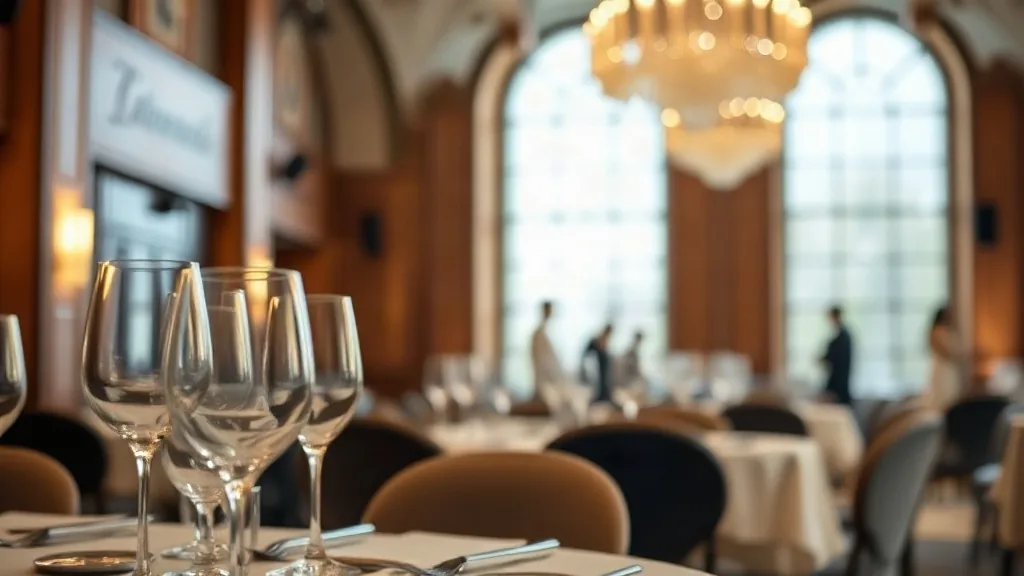
The Marriott Marquis Imperial Ballroom is, I’ll be honest, a better general-session room than the historic venue we had originally booked. The acoustics were cleaner. The ceiling height was more appropriate for our screen size. The lighting control was better. I did not tell my client this until months later.
We were set and sound-checked by 8:45am. The session started at 9:02am. Nobody in the room knew anything had gone wrong unless they’d read that 6:28am email, and by 9am it was already ancient history.
The COO found me at the lunch break. She said, “You said six am. You had it at five-thirty.” I told her I’d had good luck with the hotel. She said, “I know what luck looks like and that wasn’t all of it.”
What I take from this
One: Your room block hotel is your emergency fallback. Act accordingly. I book the room block within walking distance of every venue, at a property that has meeting space. This is not coincidence. This is policy. I have invoked that policy three times in eleven years. Twice it saved the event. Once it didn’t quite work and we had to go to option B. But option B existed because I had option A staged.
Two: Your vendor contacts are your infrastructure. That rental house owner who answered at 3am — I had his number because someone gave it to me at an event in 2021 that I almost didn’t attend. Vendor relationships aren’t just for events. They’re for the night everything goes wrong.
Three: Guest communication timing matters more than guest communication content. The 6:28am email worked because it was early enough that most guests hadn’t yet left for the venue. If we’d sent it at 8am, half the group would have been en route to the wrong building. Don’t wait until you’re fully certain to communicate — communicate as soon as you have something real to say.
Four: The 2am call is why you have insurance. We filed a claim the next morning. The venue’s property insurance covered the rental costs for the backup space and the emergency AV equipment. Not all of it — there was a deductible conversation that took three weeks — but the coverage was there because I had required it in the contract and confirmed it before signing.
If you’re planning a large sales kickoff or leadership conference in Atlanta and want a planner who has been through nights like this one, I work across the conference centers in Atlanta, Georgia circuit. I’ll look at your venue contract and your emergency protocol before we get anywhere near event day.
Also read: 38 vendors at the same loading dock — a different flavor of chaos, same lesson about preparation.
Send me the run-of-show. I’ll tell you where the risk lives.


