
The Board Chair Who Insisted on Serving Alligator at the Annual
He wanted alligator on every plate at a 220-person black-tie annual meeting in Orlando. I had six weeks and a seafood-allergy cluster. Here's what actually happened.

I have planned a lot of difficult menus in my career. I once sourced halal-certified beef in a county where the nearest certified supplier was ninety miles away. I have navigated a vegan board dinner at a Texas steakhouse. I have coordinated Passover seder plates for a conference that didn’t know it was Passover week until I told them.
None of that prepared me for Gerald.
Gerald was the board chair of a mid-size insurance holding company based in Central Florida, and he called me in late September with a very specific vision for their November annual meeting: 220 people, black-tie, downtown Orlando, and alligator as the centerpiece protein. Not as an appetizer. Not as a novelty bite. As the entrée. For all 220 guests.
“It’s Florida,” he told me. “We should lean into it.”
I told him I’d look into it. What I meant was: I need six weeks to figure out if this is even possible, and I am already worried.
Why alligator is not a simple yes
The first thing I did was call the Rosen Centre’s catering director, because that’s where Gerald wanted to hold the event and I had a relationship there. She laughed — not meanly, just with recognition. She said she had done alligator appetizers twice in her tenure. Full protein course for 220? Never. The supply chain alone was going to be a project.
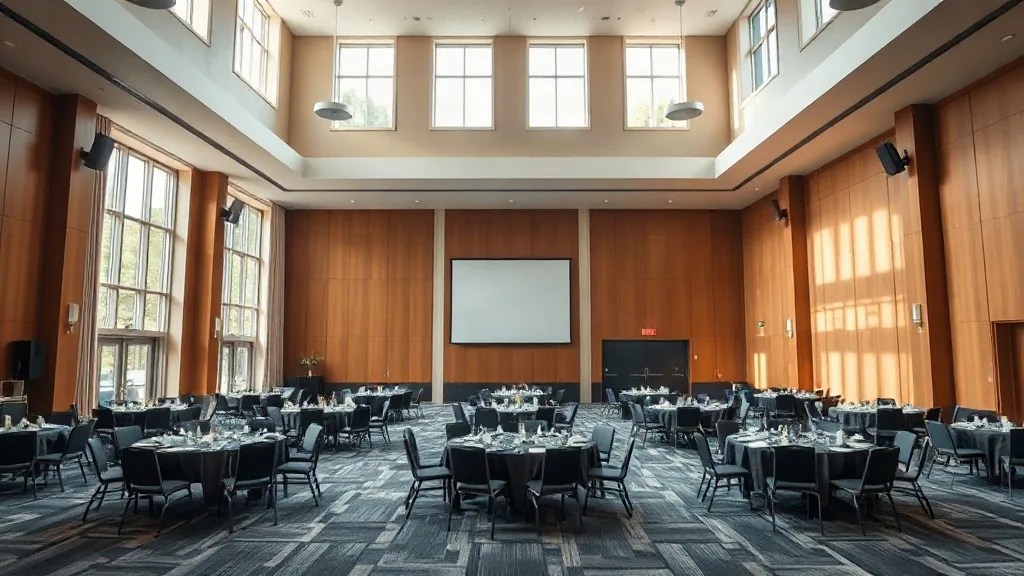
Here’s what I learned over the next two weeks. Farmed alligator — the legal, food-service-grade kind — is available in Florida through a handful of licensed processors, but it moves primarily through specialty distributors who are used to small restaurant orders, not 220-portion catering volume. The yield on alligator tail meat, which is the only part most people want to eat, is lower than beef or chicken. You’re not just buying 220 portions. You’re buying significantly more raw weight and working backward. The hotel’s executive chef had never cooked alligator at volume and was honest about that, which I respected.
The second problem: alligator is classified as a shellfish allergy cross-reactant in some clinical literature. Not uniformly, not definitively, but it’s in there. I had pulled the dietary form responses from the 220 registered guests and found fourteen self-reported shellfish allergies. Fourteen people who might react to the protein we were centering the entire meal around. I needed answers from an allergist, not a Google search.
I called a contact of mine who is a registered dietitian and sometimes advises corporate clients on dietary accommodations. She said the shellfish cross-reactivity data on alligator is thin but not zero, and that a cautious approach for a formal event would be to treat alligator similarly to shellfish for anyone with a documented shellfish allergy. That meant I needed an alternative entrée for at minimum fourteen guests — possibly more once word got around the table.
The third problem: Gerald had not discussed this with his board.
Week two — the conversation I wasn’t supposed to have
I asked Gerald’s executive assistant to get me thirty minutes with him. He called me instead, which told me he sensed what was coming. I walked him through the three issues: supply chain uncertainty at volume, the shellfish-allergy cross-reactivity question, and the fact that some of his board members might simply not want to eat alligator and hadn’t been asked.
Gerald was quiet for a moment. Then he said, “Can we do alligator as an appetizer and put a real protein as the entrée?”
Yes. That I could do.
This was the concession I had been hoping he’d land on himself. Alligator as a Florida showcase appetizer — fritters, remoulade, clearly labeled — with a proper dual-entrée service for the main course. The novelty was preserved. The risk was contained. The shellfish-allergy guests could simply skip the passed app and no one would notice.
I went back to the Rosen Centre’s catering team with the revised concept. The chef was visibly relieved. We sourced twenty-two pounds of alligator tail through a distributor in Palmetto who supplies a handful of high-end restaurants in the state, confirmed it could arrive fresh for the prep timeline, and built a three-day cold-chain protocol with the hotel’s kitchen.
The week before — what actually went sideways
Four days before the event, I got a call from the distributor. There was a processing delay at the facility — nothing alarming, a standard USDA inspection that ran long — and the delivery was going to be twenty-four hours later than scheduled. Instead of arriving Thursday morning for Friday-evening service, it would arrive Friday morning.
Under normal circumstances that’s manageable. In this case, the hotel’s prep timeline for alligator — which they had never done before — assumed a full day of breaking down, marinating, and test-frying before service. Twenty-four hours less meant the chef was going into service with less confidence in the protein than I wanted.
I called the chef directly. He was not panicked, which I needed him not to be. He said he’d rather have a strong test batch Friday afternoon and go into service with that, than have two days on an unfamiliar product and overthink it. He asked for one thing: I needed to get him any existing recipe documentation from the distributor or a Florida chef who’d worked with the same processor.
I texted every planner I know in the Orlando market. One of them connected me with an executive chef at a St. Pete waterfront restaurant who had used this distributor before and had the prep specs on file. He emailed them to me within the hour. I forwarded them to the Rosen Centre’s kitchen. The chef said it was exactly what he needed.
The night itself
The alligator fritters came out during cocktail hour. They were presented on individual spoons with a Creole remoulade and a small card that said “Florida Alligator, Palmetto FL.” The card was Gerald’s idea, and it was a good one. It made the sourcing feel intentional rather than gimmicky.
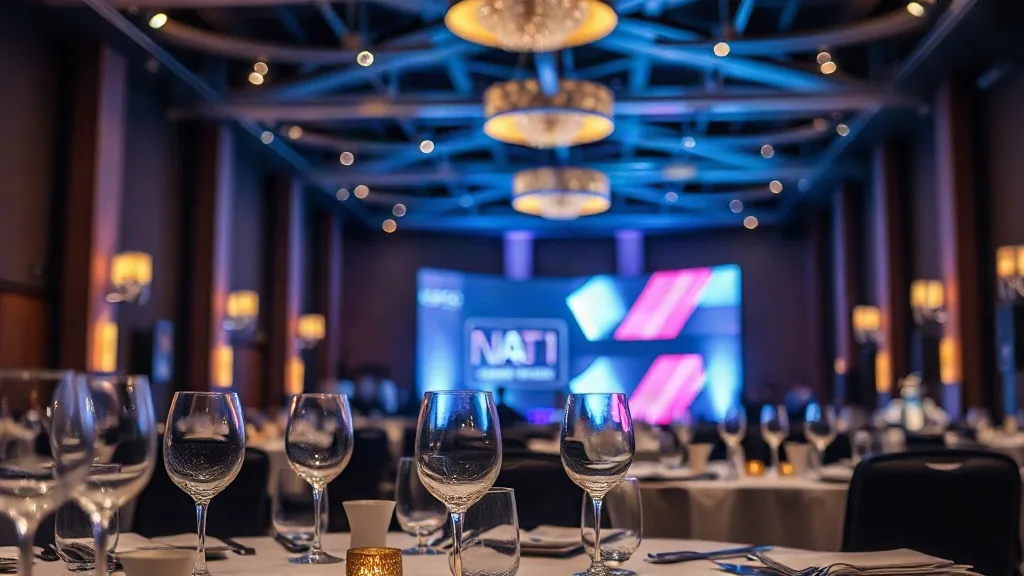
Eighty percent of the fritters were gone within twelve minutes. I had anticipated moderate enthusiasm and planned for leftovers. I was wrong. I spent a few tense minutes doing table-pass math to make sure the remaining fritters reached the back tables before running out, which they barely did.
Gerald found me during dinner service. He looked satisfied in the specific way that clients look when they know they took a risk and it worked. He shook my hand and said, “Next year, can we do it as the entrée?”
I told him I’d look into it.
What I take from this
One: “It’s available” and “it’s available at scale” are different sentences. The moment a client wants a non-standard protein, your first call is to a specialty distributor, not the hotel catering team. Hotels are trained to say yes and figure it out later. You need the supply chain answer before anyone says yes.
Two: Cross-reactivity isn’t just shellfish and tree nuts. I do not want to overstate the alligator-shellfish data, because it is genuinely thin. But the right move is to know the question exists, consult someone qualified, and have a documented decision. If one of those fourteen guests had reacted, “I googled it and it seemed fine” is not a defensible answer to anyone.
Three: The concession you want the client to reach has to feel like their idea. Gerald didn’t change his vision because I told him to. He changed it because I laid out the constraints clearly and let him work through the math. That’s not manipulation. It’s respecting someone’s autonomy while giving them the information they need. He still got his alligator moment. It just moved to the appetizer pass.
Four: Supplier communication has to go both ways. The distributor called me proactively about the delay. That matters. When I’m working with a vendor I’ve never used before on a non-standard product, I now build in a formal check-in call two days before delivery — not to micromanage, but so they have my number and feel the expectation to call if something shifts.
If you’re planning a Florida corporate event and want a second set of eyes on your menu concept before you’ve committed to anything unusual, the conference centers in Orlando, Florida are some of the most experienced catering teams in the state — and they’ve seen weirder than alligator. Start your venue search there.
I also wrote about what happens when a hotel double-books you — which is a different kind of chaos, but equally solvable with the right approach.
Drop me the brief if you’re in planning mode for a Florida annual meeting. I’ll tell you exactly what I see.


