
The 'Contingency Budget' Is a Lie — Here's What It Actually Covers
The standard 10% contingency on a $120,000 event is $12,000. In seven years of tracking what contingency actually gets spent on, not once has it covered what planners think it covers.

Every event budget I’ve seen above $20,000 has a contingency line. It’s usually 10% of total budget, sometimes 15% for events with complex logistics. It lives at the bottom of the budget spreadsheet next to the total. It provides psychological comfort. And in seven years of tracking what contingency actually gets spent on across my events, I’ve concluded that the contingency line doesn’t cover what planners tell their clients it covers.
Here’s the pitch planners give: “The contingency budget is for unexpected costs — things that come up during execution that we couldn’t anticipate.” That sounds right. That’s the thing contingency is supposed to cover. And in practice, contingency almost never covers those things, because those things either don’t happen (if you’ve planned well) or are too large to be covered by a 10% contingency (if they do happen).
What contingency actually covers, based on my own tracked data across seventy-plus events: scope creep from the client, under-estimated costs in the initial proposal, and the gap between what was quoted and what was invoiced. None of those are unforeseeable. All of them are foreseeable. Which means the contingency is not a buffer against the unknown — it’s a buffer against imprecise budgeting.
What contingency actually covers in practice
Client scope creep (approximately 40% of contingency spend across my events):
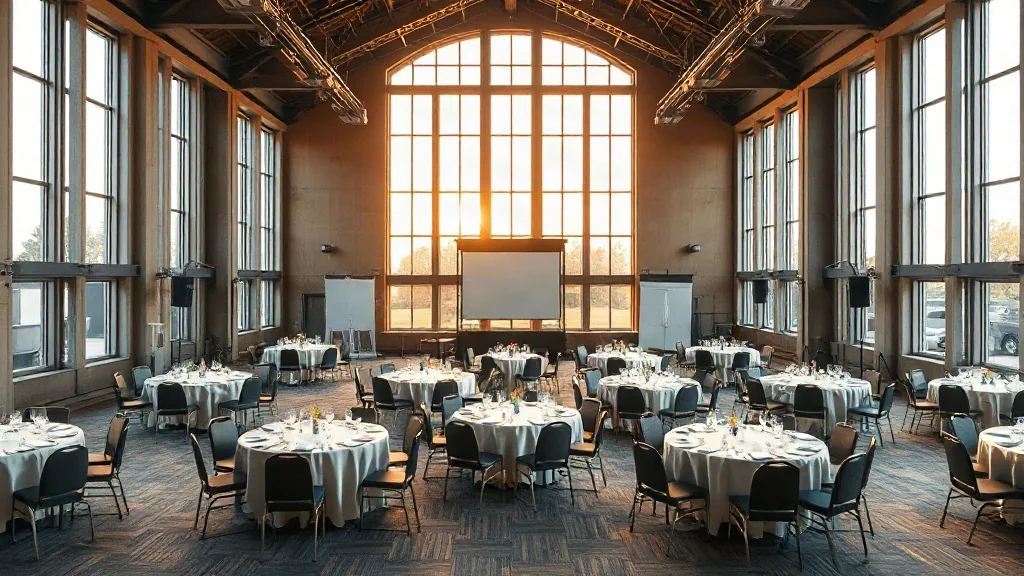
The most common contingency draw. The client adds a dinner course. They decide they want a photo booth. They extend the cocktail hour by thirty minutes. They add a speaker who needs a confidence monitor. Each of these additions is small and individually defensible. Collectively, they represent scope that wasn’t in the original budget and that gets absorbed by contingency when it should have triggered a change-order conversation.
Under-estimated line items (approximately 35% of contingency spend):
The AV quote that came in at $14,000 at proposal time and invoiced at $18,000 because of equipment substitutions and a four-hour labor overage. The catering that quoted $82/person for dinner and invoiced at $88/person because of a last-minute protein substitution. The transportation that added two extra hours of driver time because the schedule ran long. These are foreseeable costs that were under-estimated in the initial proposal. Contingency absorbs them and nobody has the uncomfortable conversation about why the original estimates were wrong.
The gap between quote and invoice (approximately 25% of contingency spend):
A subtler problem. Most event vendors quote one number and invoice another. Not because they’re dishonest — most of this is legitimate — but because real event costs are dynamic. Labor hours go long. Equipment substitutions occur. Add-on charges accumulate. The standard professional practice is to quote the base case and add actuals. The gap between the two lands in contingency, which means contingency is functioning as a slush fund for vendor billing imprecision.
What contingency does not cover
Genuine unforeseeable crisis costs — a venue emergency requiring a full relocation, catastrophic vendor failure requiring same-day replacement, medical emergency during the event — are typically too large to be absorbed by a 10% contingency and require either event insurance or contractual protections that most planners don’t negotiate. A 10% contingency on a $120,000 event is $12,000. A same-day venue relocation in Atlanta, with emergency vendor mobilization, is $35,000 minimum. Contingency does not cover that. Event insurance does, if you bought it.
Force majeure situations — weather events, venue fires, public health disruptions — are similarly too large for a 10% buffer and require insurance plus strong contract force majeure clauses.
The things that genuinely warrant a contingency buffer are so small that they’re often handled without touching the line at all: a broken tent stake, a replacement microphone battery run, an unexpected vendor fuel surcharge. These costs run $200-800 per event in my experience. You don’t need a $12,000 contingency line for $600 in miscellaneous costs.
The better system
If contingency is primarily covering scope creep and under-estimated costs, the fix is in the process, not in the buffer size:
For scope creep: Implement a change-order process and use it. Every client addition that wasn’t in the original scope gets a written change-order with a cost. It does not get absorbed into contingency. This is a conversation most planners avoid because it feels transactional. It’s not transactional — it’s honest. The alternative is a budget that silently absorbs client additions until contingency is gone and then creates a surprise on the final invoice.
For under-estimated line items: Require firm quotes, not estimates, from vendors for any line item over $5,000. A firm quote with a change-order process for modifications is the only protection against the quote-to-invoice gap. Vendors who won’t give firm quotes for major line items are telling you something about how they operate.
For genuine unknowns: Buy event insurance. A $1M general liability policy for a $120,000 event typically runs $800-1,500. It covers the scenarios that a 10% contingency can’t: venue cancellation, vendor non-performance, weather, medical emergency. It’s a better deployment of the contingency dollar than a self-insured buffer that’s statistically unlikely to cover the scenarios it’s meant for.
The change-order conversation
The hardest part of this system is the change-order conversation with clients who expect the contingency to absorb additions without discussion. Here’s the framing I use:
“I want to be transparent with you about how I handle additions and scope changes. When you add something to the event that wasn’t in the original scope — an extra hour, an upgraded menu, an additional speaker — I’ll send you a change order with the cost before it’s committed. That way you’re never surprised on the final invoice. The contingency we have is reserved for true unforeseeable costs, not for additions we can plan for. Does that work for you?”
Every reasonable client says yes to that framing. The clients who push back are the ones who plan to make additions and expect the contingency to absorb them invisibly. That’s useful information to have before the event, not after.
What to do with the contingency line
My recommendation for events where you’re implementing proper change-order processes and buying event insurance:
- Reduce the contingency line to 5% (from 10%) for any event where vendors have provided firm quotes.
- Require event insurance as a budget line on any event over $75,000.
- Document what contingency actually gets spent on for every event you run, so you can refine the buffer percentage over time based on your own data.
Across my tracked events, the average contingency draw is 4.2% of total budget. The 10% standard over-allocates by roughly $7,200 on a $120,000 event. That $7,200 is real budget that could go to the event.
For events in Atlanta and the Southeast, I now present clients with a contingency explainer slide in the initial budget deck. It names what the contingency covers (client additions via change order, minor unforeseeable costs) and what it does not cover (major venue or vendor failure — covered by insurance). This conversation, up front, sets expectations correctly and prevents the “why is the contingency gone?” question at the final reconciliation.
When I’m sourcing venues for events where cost precision matters — which is most of them — Atlanta conference centers and meeting spaces that provide detailed, itemized proposals rather than package-based quotes make the change-order process much easier. Venues that quote in packages make it hard to isolate which line changed and why. Itemized venue proposals, line by line, are the starting point for honest budget management.
The national conference center directory is a good starting point for finding venues that work at your scale. When you’re doing initial outreach, ask specifically for itemized proposals rather than package quotes — the venues that can do itemized from the start are usually the ones with cleaner billing processes throughout.
The budget-precision problem connects to two other areas where planners routinely let imprecision cost them money: F&B minimums protect the planner more than the venue covers the service-charge math that most contingency budgets are quietly absorbing, and how AV companies over-spec your event covers the AV invoice gap that’s one of the most common contingency draws in the business.
Send me your last event’s budget and final reconciliation. I’ll tell you what your contingency actually covered and whether the line is sized correctly for your next one.


