
The December holiday party crunch: booking in July to win
The good December dates are gone by August, and the venues left in October charge a premium for being desperate. Here is why I lock holiday parties in July and what it saves in real dollars.
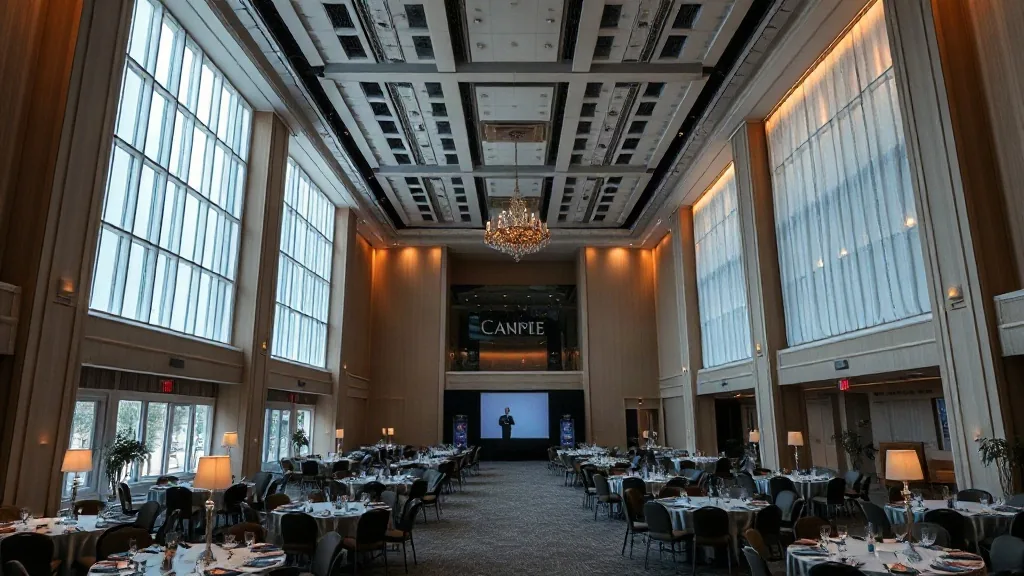
Last year a tech client called me on October 3rd wanting a 180-person holiday party for the second Friday in December. Every venue on my downtown Atlanta short list was booked. The three that had space wanted $145 a head plus a $6,000 room minimum for a Friday I would have booked at $95 in July. That is a $9,000 swing on food alone, plus the minimum, for the crime of calling three months late.
Holiday parties are the one event where the calendar beats the budget. If you book in July, you win. If you book in October, you pay for the privilege of whatever is left.
Why the good dates vanish by August
There are four prime holiday party dates in any given December: the first and second Fridays and the first and second Saturdays. Companies with 100-plus headcount cluster on those four because the third week hits vacation season and nobody comes to a party on December 22nd. So you have hundreds of local companies chasing maybe eight prime slots per good venue.
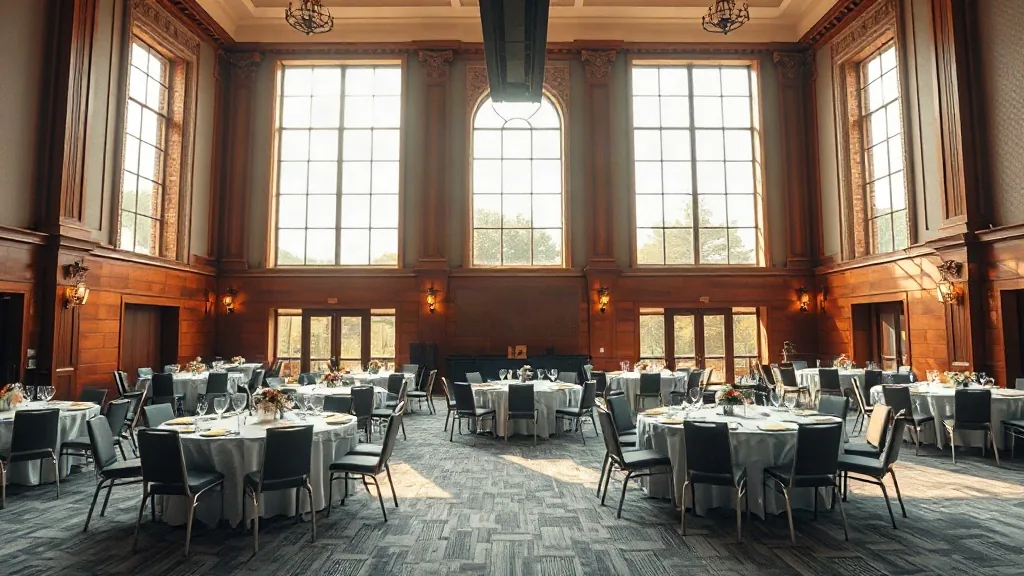
Venues know this. A banquet hall that runs weddings all summer treats December Fridays as its highest-yield inventory of the year. They release those dates to whoever commits first with a signed contract and a deposit. By late August the second Friday is usually gone at every hall worth booking. I have watched a client lose a date over a two-day delay getting a signature through legal.
The July price versus the October price
Here is the money, laid out plainly for a 150-person seated dinner.
Book in July: $95 per head food and beverage, service charge at 22 percent, a $4,000 room minimum you clear easily. Total around $21,400 with tax.
Book the same room in October for the same date, if it exists: $130 per head because the venue has the upper hand and knows it, a $6,500 minimum, and often a demand for a non-refundable 50 percent deposit instead of the 25 percent I would have negotiated in summer. Total closer to $29,000.
That is nearly $8,000 for waiting three months, and it assumes the date is even available, which it usually isn’t. The July booking also lets me build a deposit ladder instead of eating a lump sum, because I am negotiating from a position of time, not panic.
What July gives you besides price
Time is the upper hand. When I book in July I get first pick of the room layout, the menu, and the bar package. I can push the F&B minimum down because the venue would rather lock a confirmed December booking in July than gamble on a maybe in November. I have knocked $1,500 off a room minimum just by being the early bird who removes their calendar risk.
The early booking also protects the headcount conversation. In July I can hold a range of 140 to 180 and settle the guaranteed number closer to the date, because the venue is not yet fighting anyone else for the room. In October, with the date scarce, the venue wants a firm high guarantee locked immediately, which pushes my client into paying for a headcount they may not hit. Booking early is how I keep the attrition floor honest instead of inflated.
July also gives me the good vendors. The photographer, the band, the AV team all book December months out. The people I trust are gone by September. If you wait, you are choosing your holiday party team from whoever is still available, and that is a downgrade you can feel in the room.
The private-dining alternative for smaller headcounts
If your headcount is under 60, a restaurant with private dining is often the smarter play, and the booking window is a little more forgiving because their inventory is smaller and turns faster. A private room at a good steakhouse runs a food-and-beverage minimum rather than a flat per-head, usually $4,000 to $9,000 depending on the night, and they will hold a December Thursday later into the fall than a ballroom will hold a Friday.
Even there, though, the prime Fridays go early. I booked a 40-person executive dinner for the first Friday of December back in July and paid a $5,500 F&B minimum. The same room quoted $7,500 in November. Restaurants raise minimums as December fills the same way hotels raise rates.
The hotel angle for out-of-town teams
For companies flying people in, a hotel or resort that can bundle the party room with a room block is worth booking earliest of all. Room blocks for December sell out because leisure travelers want the same weekends. If you need 30 sleeping rooms plus a ballroom, you are competing with holiday tourism for the block and corporate parties for the ballroom at the same time. That double demand is exactly why July matters. Lock both in one contract while the hotel still has both to give.

What booking in July actually requires
You need three things ready by July: an approved budget, a headcount range you can defend within plus or minus 20, and a signer who will move fast. The budget is the hard part because finance doesn’t want to commit December money in the summer. My pitch to the CFO is simple. Approve a range now and I save you eight grand versus October, or wait and I spend it. Framed as savings, the approval comes faster.
Once I have that, I hold two dates with two venues, compare contracts, and release one within a week. The holiday party survival playbook covers the execution, but none of it matters if you don’t have the date, and the date is a July decision dressed up as a December one.
Watch the real deadline, not the party date
There is a second date that matters as much as the party itself, and it is the December 15th cutoff most venues treat as the practical end of their holiday season. After that week the good rooms are either booked or shutting down for the year, and the vendors you want are already committed. So when I say book in July, I am really saying decide the whole thing before the market closes in mid-December, which sounds obvious until you watch a client dither from October into November and discover every option gone.
The clients who win the holiday party are boring about it. They approve the budget in June, sign in July, and never think about it again until the walkthrough in November. The clients who lose it treat December as far away in September and wake up in October to a market that already sold out. The party is the same either way. The difference is entirely in when the decision got made.
The party is five months away. The good version of it is being decided right now. So what is your headcount range, which December date do you actually want, and is your budget approved or still stuck in someone’s inbox? Answer those three and I can tell you whether you are still early or already behind.


