
The DJ Whose Tracks Turned Out to Be Unlicensed — and the ASCAP Cease-and-Desist
Six weeks after our product launch party, a cease-and-desist letter arrived from ASCAP. The DJ had used unlicensed tracks. The venue's blanket license didn't cover our event. Here's the $3,800 lesson.

I want to be clear that this was not a dramatic story while it was happening. Nobody showed up at the venue with a clipboard during the event. No one pulled the plug. The music played all night, everyone danced — actually danced, which is unusual for a tech product launch — and the event was by every visible metric a success.
Six weeks later, I got a call from my client’s general counsel asking me if I knew what ASCAP was.
I knew what ASCAP was.
The story got more dramatic from there.
The event
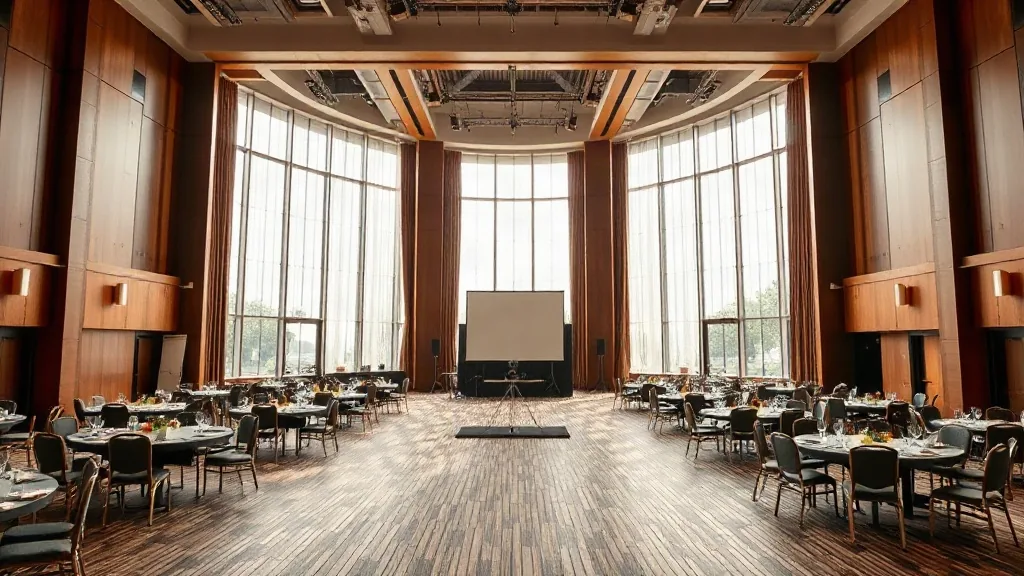
Product launch party for a consumer-facing app, San Francisco, 220 people, rented-out rooftop venue in SoMa. The DJ was someone the company’s Head of Marketing had found through a personal connection — not someone I had vetted, not someone I had used before, not someone who had been through my vendor intake process, because the Head of Marketing had brought them in as a “we’re covering the music, you handle everything else” decision.
I should have pushed back on this. I did not push back hard enough. That is the first place where I own this outcome.
The DJ was good. The set was excellent — a mix of licensed pop, recognizable hits, some more niche electronic material. Guests danced from 9pm to midnight. The energy was right for the brand. I remember thinking, at about 10:30pm, that this was one of the better music experiences I’d had at a product launch.
What ASCAP found
ASCAP — the American Society of Composers, Authors and Publishers — has monitoring systems. Some of those monitoring systems work through audio fingerprinting of video content posted publicly online. Our event had been documented extensively on social media by attendees and by the company’s own content team, who had posted event highlight videos on Instagram, LinkedIn, and the company’s YouTube channel.
The ASCAP system identified copyrighted tracks in those videos. Six weeks after the event, a cease-and-desist letter arrived at the company’s registered legal address. The letter identified twelve tracks used during the event, claimed unlicensed commercial use, and specified damages based on the number of attendees and the commercial nature of the event.
The venue had a blanket ASCAP/BMI license. I had assumed this covered our event. It did not.
Why the venue’s license didn’t cover us
This is the thing I did not understand fully before this experience, and which I now explain to every client I work with who asks about music licensing: a venue’s blanket performance license covers the venue’s ongoing use of music in their normal operations — background music in the lobby, live performances in their bar, etc. It does not automatically extend to private event rentals where a separately contracted DJ is performing for a separately contracted audience.
The specifics vary by license agreement and by ASCAP/BMI contract terms, but the general principle is: if you bring in an external DJ to perform at a private commercial event held at a licensed venue, the venue’s license is not necessarily your license. Your DJ should have their own performance license, or the event should have its own event license, or the company should have a commercial use license that covers the specific tracks being used.
The DJ our Head of Marketing had hired did not have a performance license. He had a Spotify account and a good ear.
The resolution — $3,800 and a lot of emails
My client’s general counsel responded to the ASCAP letter and entered into a resolution process. I was involved as a witness and provided documentation of the event structure, the vendor arrangements, and the venue contract. The general counsel negotiated a settlement — ASCAP licenses can often be settled for less than the initial claim — and the final payment was approximately $3,800, which included a retroactive event license fee plus an administrative charge.
The company also had to retroactively add music credits to the social media content or remove the videos. The marketing team chose removal for most and added credits to the ones on YouTube.
The Head of Marketing called me after the resolution and said, with genuine contrition: “I should have let you handle the music.” I said: “Yes.” We have not had a music licensing issue since, because the DJ approval process now goes through me.
What I added to my process
I added a single-page music licensing checklist to my vendor intake that I now use for every event with a DJ or live band. It covers:
First, does the DJ/band hold a current ASCAP/BMI performance license? If yes, I request a copy. If no, we either find a licensed DJ or purchase an event performance license ourselves.
Second, does the venue’s blanket license explicitly extend to private event rentals? I ask this in writing, directly of the venue’s management. I have received “yes” three times and “no” or “unclear” nine times. That number surprised me.
Third, if the event content will be recorded or live-streamed, does the music licensing cover reproduction rights? Performance rights and reproduction rights are different licenses. Playing music live at an event is a performance. Recording that music and posting it online is reproduction. They require different coverage. Most DJs have neither. This is the ASCAP trap that catches the most corporate events.
Fourth, who approved the music selection and on what basis? If the DJ is bringing their own tracks, someone needs to confirm those tracks are covered. “It’s on Spotify” is not a licensing confirmation.
The broader picture
The music licensing landscape for corporate events is genuinely complex, and I say this not to excuse my oversight but to explain why this mistake is extremely common and extremely avoidable once you know what to look for. Most corporate event planners I know have either had a licensing issue, are not aware of a licensing issue that occurred at their events, or are working with vendors who are not aware of their licensing obligations.
The ASCAP monitoring systems that caught our event are increasingly sophisticated and are actively applied to publicly posted event content. If your event was documented on social media — which most events now are — and unlicensed music was played, there is a non-trivial chance that the monitoring system has already identified it. The letter may be coming.
I tell clients this not to alarm them but to motivate the conversation before the event, not after.
What I take from this
One: The venue’s blanket license is not your license. Ask in writing whether it extends to your specific event. Get the answer in writing. If it does not, purchase event coverage or require your DJ to show you their performance license before you confirm the booking.
Two: Reproduction rights are separate from performance rights. If anyone at your event will be recording content — professional videographers, the company’s content team, attendees posting to social — the licensing equation includes reproduction, not just performance. This is a different conversation and a different license.
Three: DJ approval should go through production. The Head of Marketing hiring a DJ through a personal connection, without production involvement, was a reasonable decision in isolation and a licensing disaster in practice. Every vendor relationship that touches music, entertainment, or recorded content should go through someone who knows the licensing questions to ask.
Four: Event content on social media is a monitoring surface. If you post event videos publicly, ASCAP can find them. This is not a judgment — it is information. If you have licensing questions, resolve them before you post, not after.
Five: The retroactive license is real and accessible. I later discovered that ASCAP offers retroactive event licenses for exactly this situation — events that happened without proper licensing. The settlement process my client went through was essentially a retroactive license plus penalties. The penalty portion is avoidable by getting the license before the event.
For events in San Francisco with music programming, the meeting spaces in San Francisco, California include venues whose event coordinators are well-versed in the licensing conversation — ask them directly about how their license applies to your event.
For a different flavor of vendor oversight failure, read the photographer who showed up drunk to a 400-person gala — a story about what happens when a vendor who wasn’t vetted through your process shows up unprepared.
Send me the brief. I’ll add music licensing to the intake checklist before we book a single vendor.


