
The Unexpected Celebrity Drop-In That Almost Wrecked Our Run-of-Show
At 7:12pm an A-list celebrity walked into our corporate product launch — uninvited, through the wrong door, followed by two handlers and a camera crew. We had 40 minutes of programming left.

I’ve been in production for fourteen years. I have seen catering trucks drive into walls. I have watched a ceiling-mounted projector detach itself mid-presentation and remain hanging by a single safety cable while the presenter gamely continued. I have personally removed a live bat from a green room in Scottsdale while a motivational speaker waited in the hallway.
Nothing in those fourteen years prepared me for what walked through the side door at 7:12pm on a Thursday evening in Los Angeles.
The event was a product launch — a Silicon Valley software company, 180 guests, rooftop venue in West Hollywood, polished production. We had a tight run-of-show: cocktail hour from 6:00pm, seated programming at 7:00pm, forty-five minutes of structured content, open reception until 9:00pm. The company’s CEO had just finished his product demo. The VP of Marketing was at the podium transitioning into the customer testimonial segment. I was at the rear production position, watching the feed on my monitor, when my earpiece crackled.
My on-site producer said, two words: “We have a situation.”
What walked in
A very famous musician — I’m not naming them, they didn’t consent to be in this story and the situation was awkward enough without adding that dimension — had apparently attended a different event at the same venue earlier in the evening, had left, and had somehow re-entered through the side door that connected the venue’s green room corridor to our event floor. They were accompanied by two personal handlers and what appeared to be a documentary or social media camera crew.
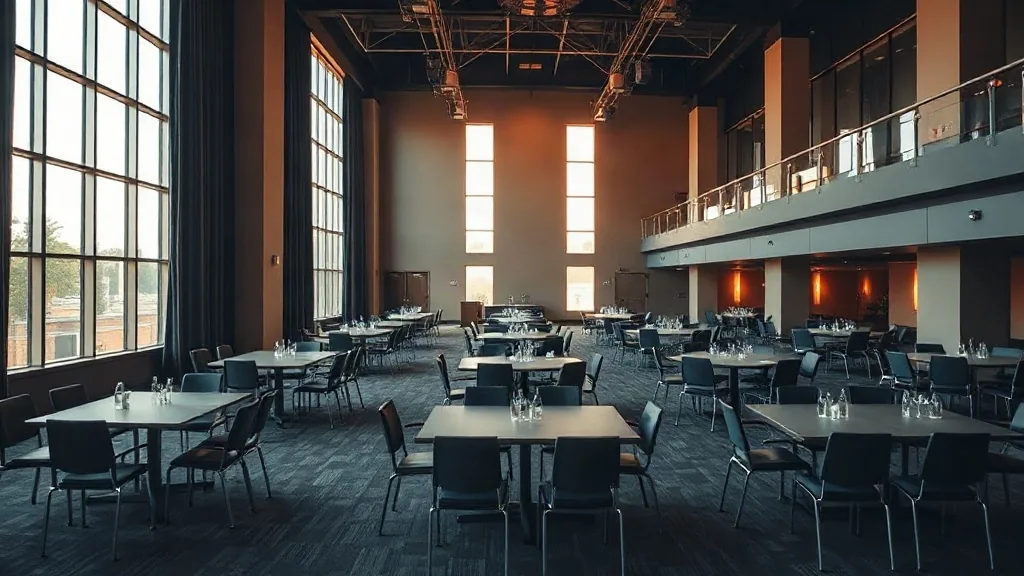
They were not invited to this event. They did not know they were at this event. I believe they thought they were walking back into the earlier party.
They entered during the VP of Marketing’s testimonial segment transition, which meant they entered from stage left, which meant every person in the 180-person room saw them at the same moment the VP was midway through a sentence about customer retention metrics.
The VP of Marketing, to her enormous credit, finished her sentence.
The room did not finish listening to her sentence.
The next four minutes
I will describe this as precisely as I can because the precision matters.
7:12:00 — celebrity enters stage left, handlers flanking, camera crew visible behind them.
7:12:08 — the VP of Marketing finishes her sentence. Approximately forty percent of the room is now looking at the side door.
7:12:15 — the celebrity realizes they are not at the party they thought they were at. This is visible on their face. They make a move toward the door they came through.
7:12:22 — handler #1 puts a hand on the celebrity’s arm. Handler #2 is speaking quietly into their phone.
7:12:30 — I am at the side door. I arrived there by walking very quickly across the back of the room and through the service corridor, which I know because I walked it during load-in. I do not run because running signals emergency.
The celebrity looked at me. I said: “Hi. I’m the production director. This is a private corporate event. I think you may have come through the wrong door.” My voice was lower than usual and very calm.
The celebrity said: “Oh god. I’m so sorry.”
I said: “Not a problem at all. I can walk you back to the corridor.” I made a small gesture toward the door they had come through.
Handler #2 said: “We might want to —” and made a gesture toward the room, which I interpreted as: maybe they stay and make an appearance.
I made a different gesture. I said: “I’d love to connect you with our host after the formal program wraps at 7:45.” That was thirty-three minutes away. “Is there a way I can reach your team?” I handed handler #2 my card.
The celebrity nodded at me and said something to their handlers. The three of them — and the camera crew, thankfully — left through the corridor door at 7:13:42.
Re-entering the room
I was at the rear production position at 7:14:00. My producer handed me my monitor feed without comment.
The VP of Marketing was still at the podium. She had done the thing that only very practiced speakers can do: she had acknowledged the moment with a single raised eyebrow at the room, paused long enough for people to laugh, and then said, “Anyway, as I was saying — customer retention.” The laugh had released the tension. The room was back with her.
I said into my earpiece to my producer: “How’s she doing?”
He said: “She’s fine. She’s actually better than before.”
She was. The moment had given her an unearned energy reset and she used it.
7:45pm — the end of formal programming
The CEO closed the session at 7:44pm. I gave the cue to transition to open reception. The music came up. The crowd stood.
Handler #2 had not texted. The celebrity had not returned. The camera crew footage, I later learned through the venue, had not included anything from inside our event.
The CEO found me at 7:50pm. He said: “Was that real?”
I said: “Yes.”
He said: “Did you handle it?”
I said: “Yes.”
He said: “Okay.” And then he went to talk to his customers. I found this response deeply satisfying.
The debrief
I wrote a production memo the next morning, partly for my own records and partly because my producer asked for it. The debrief had three sections: what happened, what I did, and what changes to make.
What changes I made: First, I now do a comprehensive venue egress and access-point review during load-in, mapping every door, corridor, and entry point, and assigning staff to each during programming. The side door that the celebrity used was not on my coverage map. It is now the first door I map at any venue I haven’t worked before.
Second, I flagged to the venue that the green room corridor connected to the event floor and that this constituted a security gap for private events. The venue confirmed they had not considered it and said they would add a locked access protocol for future private buyouts.
Third, I called the VP of Marketing the next day and told her she had handled it better than most speakers would have. She said: “I assumed you were handling it, so I didn’t have to.” That sentence is the highest compliment a speaker has ever paid me and I am not being ironic.
What I take from this
One: Every door is a potential entry point, and you own all of them. Load-in walkthroughs are production walkthroughs. I now map every door, corridor, elevator, and stairwell access point at every venue I work, and I assign staff or a locking protocol to each one during programming.
Two: How you escort someone out is a production decision. I did not say “you need to leave.” I did not signal urgency. I offered an alternative — connect with the host after the program — and I moved toward the exit. That sequence de-escalated without confrontation and left everyone’s dignity intact.
Three: Your best speaker protection is their own preparation. The VP of Marketing kept going because she was prepared enough that the distraction couldn’t derail her. Speaker prep is production. Speakers who know their material cold can handle a celebrity entrance. Speakers who are reading from notes cannot.
Four: The camera crew is the actual risk. The celebrity being in the room for ninety seconds was awkward but manageable. Footage of a private corporate event appearing in someone’s social media or documentary is a different problem entirely. Getting them out before they filmed anything was the correct priority.
Five: Don’t chase the moment. Handler #2’s gesture suggested the celebrity might “stay and make an appearance.” That is genuinely appealing for about three seconds. Then you remember that your client has forty minutes of programmed content left, that nothing was agreed in advance, and that “spontaneous celebrity appearance” at a software product launch has a very low floor and a very unclear ceiling.
West Hollywood has some extraordinary event venues for product launches — rooftop properties with the right mix of production infrastructure and ambient energy. If you’re planning a tech product launch in Los Angeles, start with the meeting spaces in Los Angeles, California and ask specifically about door and access security protocols for private events.
For another story about unexpected visitors and maintained composure, read about the protest that marched past our DC venue — Imani handled that one, and the instinct is the same.
Send me the production brief. I’ll map the room before anyone gets a chance to walk through the wrong door.


