
Wellness retreat offsites without the woo
A wellness offsite doesn't have to mean sound baths and forced vulnerability circles. I book them for skeptical tech teams and money people, and the version that works is boring on paper: good sleep, real food, one movement block, and an agenda with air in it.
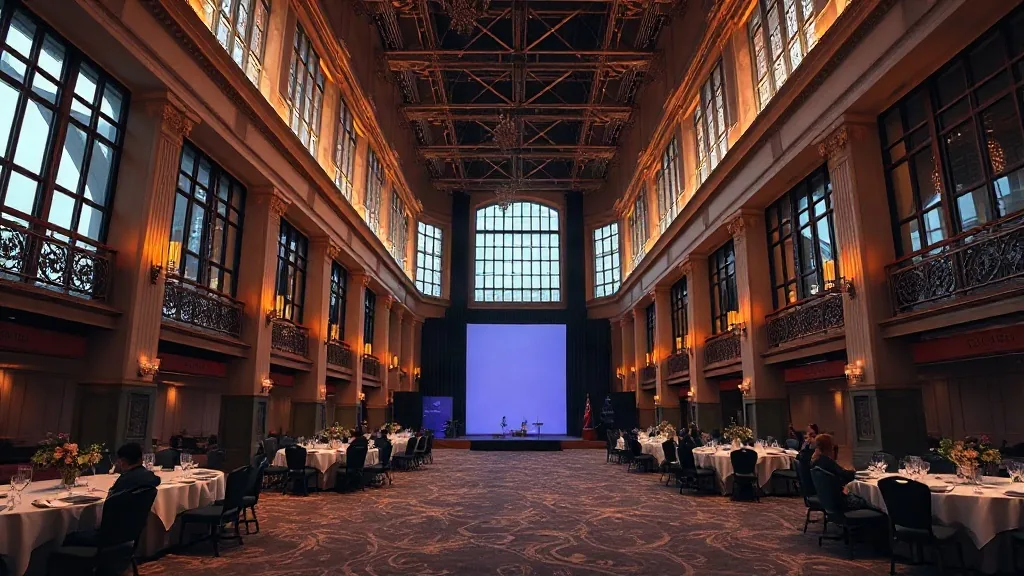
A VP of engineering told me last year that if I put the word “journey” on the agenda he’d expense his own flight home. Fair. He’d been to a “wellness retreat” where a facilitator charged $6,500 to make 30 engineers hold eye contact for two minutes, and the whole team decided the company had lost the plot. I run wellness offsites for people like him, and the ones that land have zero incense and a defensible budget.
Here’s my working definition. A wellness offsite is a working offsite where you stop sabotaging the humans in the room. That’s it. No woo required.
The three things that actually move the needle
I’ve run the post-event surveys on maybe two dozen of these. The variables people rate highest are not the ones the wellness industry sells. They’re sleep, food, and unscheduled time. So that’s where the money goes.
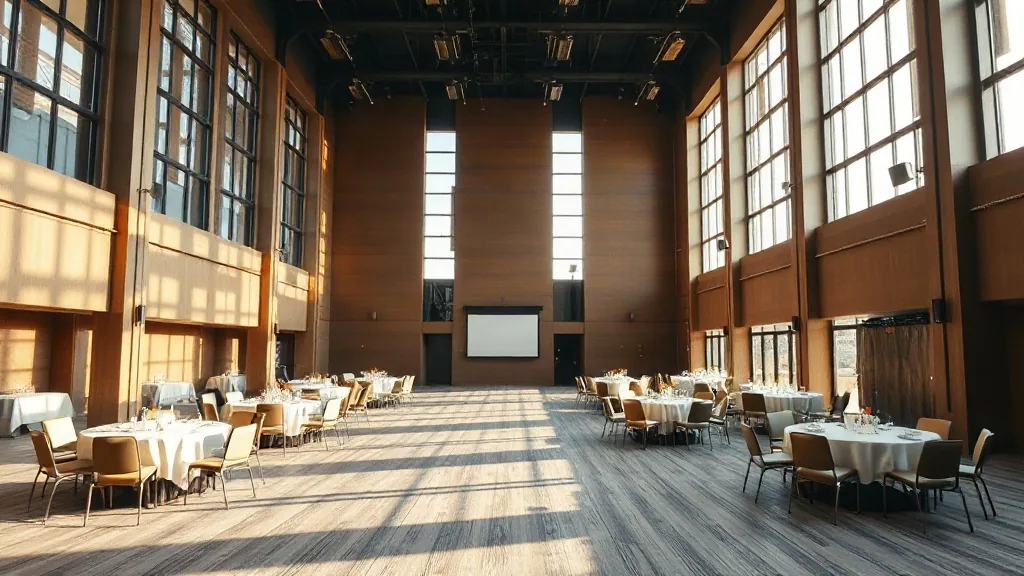
Sleep means single-occupancy rooms, full stop. The second you double up adults who work together, you’ve traded $150 a room per night for a team that’s tired and mildly resentful. On a 25-person, two-night program that’s $7,500 to give everyone their own door. It’s the best money on the budget and I fight for it first.
Food means you feed people like the day is the point, because it is. A wellness menu is not a punishment menu. It’s protein at breakfast so nobody crashes at 11, a real lunch that isn’t three sad wraps, and no 3 p.m. cookie-and-candy table that spikes the room and kills the afternoon session. I brief the hotels and resorts catering manager on energy, not on calories: eggs and yogurt and fruit, a grain bowl bar at lunch, snack breaks that are nuts and cheese and fruit instead of sheet cake.
Unscheduled time means the agenda has holes in it on purpose. I build a 90-minute open block after lunch each day. People nap, walk, take a call, or go to the gym. Nobody organizes it. The single biggest mistake in “wellness” programming is scheduling the relaxation, which makes it work.
The one movement block, and how to keep it optional
I do put one physical thing on the agenda per day, and I make it genuinely opt-out with no social penalty. A morning walk on marked trails. A stretch session with a real trainer, 45 minutes, in the ballroom before breakfast. A round on a short course.
The key is the opt-out has to be invisible. If the CEO does yoga and three people skip it and feel watched, you’ve built a compliance exercise, not a wellness block. I tell leadership to model skipping too. On a program at a country club last fall, the founder took the open morning to walk 18 holes solo, and that permission did more for the room than any facilitated session could.
What I cut, and what it saves
The woo line items are also the expensive ones, which is convenient. Here’s what comes off my budgets:
- Sound bath / breathwork facilitator: $2,500 to $6,500. Cut.
- “Team synergy” ropes course: $180 a head plus liability paperwork. Cut.
- Branded wellness kit (yoga mat, water bottle, journal): $65 a head. Cut, or replace with one good thing.
- Motivational keynote speaker on “resilience”: $8,000 to $15,000. Cut, every time.
That’s easily $20,000 off a 30-person program. I move maybe a third of it to the room block and the food, and I hand the rest back. Money people notice when you hand budget back. It buys you trust for the next ask.
Where you host changes everything
Setting does most of the work a facilitator claims to do. A resort with real grounds gives people somewhere to walk without a plan. I look at hotels and resorts with a trail system or a beach, because the wellness happens in the space, not in a session. When the weather cooperates, I move a whole working block outdoors: outdoor and garden venues with shade, power, and a flat surface for a screen let you run a real discussion under trees, and the room reports it as the best part of the offsite even though you just moved the same meeting outside.

For the comparison between a purpose-built meeting property and a resort for this kind of thing, I keep coming back to conference center vs resort for a leadership offsite. And when a client asks about a rural, low-key option, the barn vs winery for a summer corporate retreat breakdown covers the tradeoffs I’d otherwise repeat on the phone.
The agenda math
A two-day wellness offsite for 25 people, done my way:
- Rooms, single occupancy, two nights at $220: $11,000
- F&B, two breakfasts, two lunches, one dinner, breaks, at roughly $155 a head per day: $7,750
- Meeting space, two days: $3,000
- One trainer, two morning sessions: $1,200
- AV for one general session room: $2,800
- Ground and misc: $2,250
That’s about $28,000, or $1,120 a head, and not one dollar went to a crystal. The comparable “wellness retreat” a vendor pitched the same client came in at $52,000 because it front-loaded facilitation and a keynote. Same rooms. Same food. The difference was woo.
Protect the return trip
One detail I learned the hard way: don’t red-eye people home from a wellness offsite. You spent two days getting a team rested and then you put them on a 6 a.m. flight and hand back a wreck. I book afternoon departures and I tell clients to give the team a soft start the next morning. It costs a half-day of productivity and it protects the entire investment.
If you want to see the structure that sits underneath all of this, the board offsite planning playbook has the agenda-with-air approach I use for senior groups, and it scales down to a team offsite cleanly.
A wellness offsite isn’t a genre. It’s a normal working offsite where you stopped exhausting people. Single rooms, real food, one movement block nobody’s forced into, and holes in the schedule. Book a place with grounds and let the setting carry it.
Tell me your headcount, your two candidate dates, and whether your team is more “skeptical engineers” or “burned-out sales,” and I’ll build you an agenda a VP won’t threaten to leave.


