Barn vs Winery for a Summer Corporate Retreat: Cooling Systems and the Bug Problem
A barn without HVAC becomes unusable in July above 85 degrees in most southern states. Wineries often have climate-controlled barrel rooms. Regional recommendations with temperature thresholds.

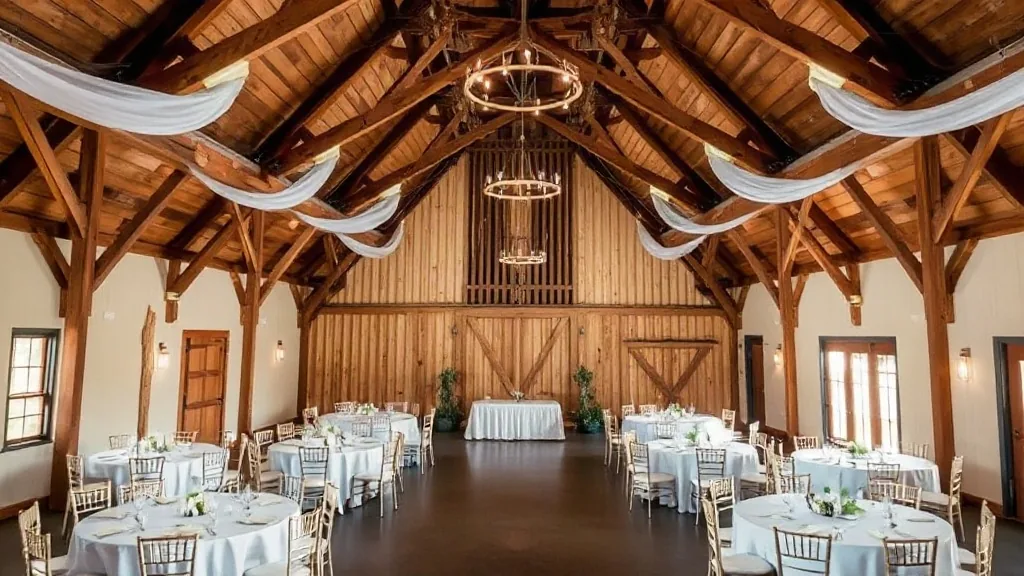
I almost put a client group of 80 people into a beautiful Virginia barn for a July retreat. The venue photos were stunning. The barn was 120 years old, post-and-beam construction, whitewashed interior, hay-loft views. I asked the venue coordinator about cooling. She said they had industrial fans. I declined.
For summer corporate retreats, the barn’s HVAC reality is the first question to ask and the last thing to assume.
The Temperature Problem in Barns
Traditional barn structures were built for agricultural storage and animal housing. They have high ceilings (good for passive air circulation), large door openings (good for cross-breeze), and no insulation (terrible for temperature control in both directions).
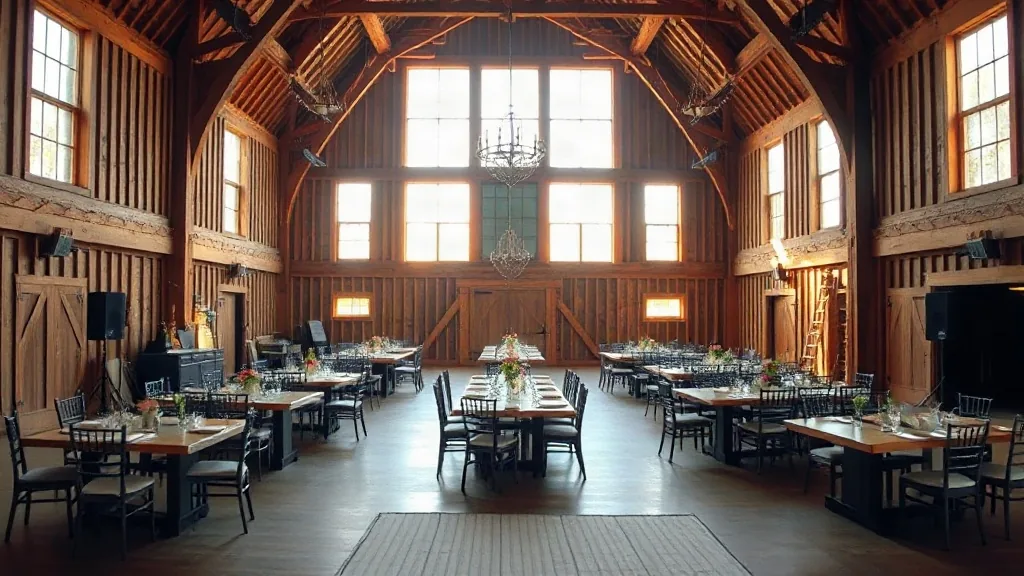
A barn that is comfortable at 75 degrees ambient temperature outside becomes 85-90 degrees inside by 2pm in July in Virginia, Georgia, Tennessee, or the Carolinas. The metal roofing conducts heat. The high ceiling traps warm air above guest height but provides no cooling. Industrial fans move hot air faster. They do not cool it.
At 85 degrees inside, adult guests in business casual attire become uncomfortable after 45 minutes. At 90 degrees, you have a health consideration for older guests, guests with cardiovascular conditions, and anyone who’s been traveling. At 95 degrees, you have a safety issue.
The temperature threshold I use for outdoor or un-air-conditioned events: if the high temperature forecast for the day exceeds 85 degrees Fahrenheit, you need climate-controlled space for any gathering longer than 90 minutes.
In the following states, July high temperatures exceed 85 degrees more than 80% of days: Florida, Georgia, Alabama, Mississippi, Louisiana, Arkansas, Texas, South Carolina, North Carolina, Tennessee, Missouri, Kansas, Oklahoma. Add coastal Virginia from late June through August.
Barns With HVAC: They Exist, But Confirm Everything
Some agricultural event barns in the Northeast and Pacific Northwest have been renovated with HVAC systems. These are genuine event venues that happen to be in barn structures, and the temperature problem doesn’t apply. But “climate controlled” in a venue listing can mean a window unit installed in the bridal suite attached to the barn. Ask specifically: “What is the barn’s cooling system capacity in BTUs and at what outdoor temperature can it maintain 72 degrees inside?”
If the coordinator cannot answer that question, the barn does not have real HVAC.
Winery Barrel Rooms: the Summer Alternative
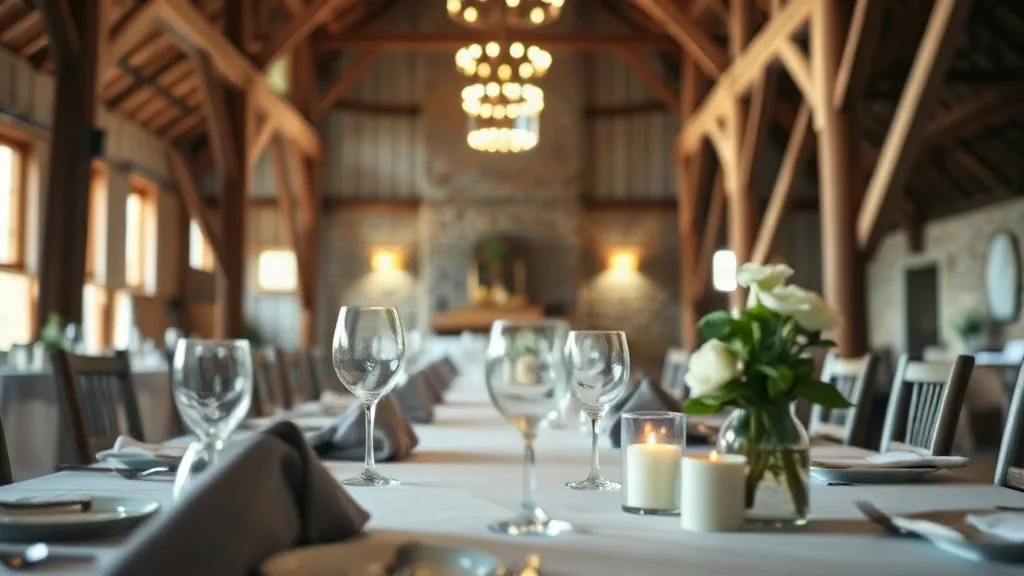
A winery barrel room is climate-controlled by operational necessity. Wine in aging barrels requires a consistent 55-60 degrees Fahrenheit. The cave-like or insulated barrel room structures at wineries are some of the most reliable climate-controlled spaces in the agricultural venue category.
For a summer corporate retreat in Virginia wine country, a Shenandoah Valley barrel room, or a Finger Lakes winery, the barrel room handles a 40-80 person meeting in summer conditions without a climate control problem. The room is maintained at 58-62 degrees, which means you’re adding layers, not removing them. Bring that information to attendees in the pre-event communication.
The barrel room aesthetic is also strong for corporate retreat programming. The rows of barrels, the stone or concrete walls, the ambient cellar feel: it creates a memorable backdrop for a day-long workshop in a way that a conference room never does.
Regional Recommendations by Temperature Threshold
| Region | Summer months (daily high >85°F) | Barn recommendation | Winery recommendation |
|---|---|---|---|
| Virginia, Maryland | July-August | Barn with HVAC only | Barrel room or cave; June and September outdoor areas fine |
| Georgia, Carolinas | June-September | Barn with HVAC only | Barrel rooms work; vineyard dining for evenings only |
| Tennessee, Kentucky | June-September | Barn with HVAC only | Barrel room; bourbon distillery rickhouses also climate-controlled |
| Texas Hill Country | May-October | Barn with HVAC only (most don’t have it) | Cave cellars at hill country wineries are cool year-round |
| Pacific Northwest | July-August (mild) | Barn fine most days | Both work; outdoor events fine |
| New England, Hudson Valley | July only (mild) | Barn fine most days | Both work |
Bug Situation
This is the other factor that barn versus winery comparisons ignore. A barn in rural Virginia in July has mosquitoes, yellow jackets, and, depending on proximity to standing water, horseflies. A barn that opens its large doors for cross-ventilation in summer allows all of these inside.
A winery barrel room, cave, or tasting room is a sealed structure. The bug problem is eliminated.
For a corporate retreat with evening outdoor programming (fire pit, sunset reception, outdoor dinner), both venues have a July bug issue in most of the Southeast and Mid-Atlantic. The solution is the same: screened tent enclosures for food areas, citronella torch placement at 12-foot intervals, and scheduled outdoor time before sunset rather than after.
Cost Comparison for a 60-Person Day Retreat
| Line Item | Barn (with HVAC) | Winery (barrel room + grounds) |
|---|---|---|
| Venue rental | $2,500-$5,500 | $3,500-$7,000 |
| External catering | $85-$130/head ($5,100-$7,800) | $85-$130/head (same; winery may have preferred caterer) |
| AV (external at both) | $2,000-$4,500 | $2,000-$4,500 |
| Transportation from nearest city | $800-$2,000 (typically 45-90 min drive) | $1,200-$2,500 (wine country is typically 1-2 hours) |
| Total | $10,400-$19,800 | $12,700-$24,000 |
The winery runs $2,300-$4,200 more. The difference is venue rental and transportation. If the barrel room solves the summer temperature problem that the barn doesn’t, the premium is justified.
The September and October Sweet Spot for Barns
If your corporate retreat date is flexible and you’re attached to the barn aesthetic, September and October are when barns work best in most of the US. Temperatures in Virginia, Maryland, Tennessee, and Georgia drop to the 65-75 degree range in September and 55-65 degrees in October. A barn with large door openings and good cross-ventilation is comfortable in that range without any HVAC.
October in the Mid-Atlantic and Southeast also means the surrounding landscape is at its visual peak: hardwoods turning color, harvest aesthetics, and the kind of ambient beauty that makes a retreat feel genuinely different from an office. An October barn retreat in Loudoun County, Virginia or in the Tennessee hill country is the barn format at its best.
The winery is competitive in the same months. A September or October evening in Virginia wine country or the Finger Lakes has wine harvest programming available (grape stomping is cliche but effective for team-building), cooler barrel room temperatures that become a feature rather than a limitation, and the agricultural landscape at peak.
For fall months, the barn vs winery decision is closer than it is in July. Run the vendor coordination and HVAC confirmation process on both and let the specific venues determine the choice.
What to Confirm Before Signing Either Venue
For barns: request the HVAC documentation or cooling system specification in writing. Ask for the maximum indoor temperature observed during a July or August event in the past three years. If they have no record of summer events, ask why.
For wineries: confirm that the barrel room or indoor cave space is available for your full event period, not just the meal service. Some wineries use the barrel room for active wine production during harvest months (September through November) and restrict event access during that window.
Both categories of rural venue require generator access confirmation: if you’re bringing AV, catering equipment, or lighting rigs, verify that the venue’s electrical service supports your load or that a generator hookup point is available.
Browse barns and farm venues and wineries and vineyards with event facilities in your target region. Ask each barn venue: what is the indoor temperature on an 88-degree July day? Their answer is the most important information in this comparison.
For the outdoor weather risk and force majeure language that affects both venue types, see outdoor garden vs indoor venue for a spring event and force majeure in venue contracts.
What month and what state? Those two facts determine which of these venue types is viable for your retreat.