
What Is a BEO: Every Section Explained for People Who Have Never Seen One
A Banquet Event Order controls everything that happens on event day, from setup times to menu quantities to who signs off on changes. Here is what each section actually means.

The first time a venue sent me a BEO, I signed it without reading past the date and the menu. That was 2017, and it cost me $1,400 in setup charges I hadn’t budgeted for, because the document I hadn’t read clearly stated a $700 room-flip fee that applied twice during the event.
A BEO is a Banquet Event Order. It is the operational document that a venue issues for your specific event. It is not the contract. The contract governs money and liability. The BEO governs everything that actually happens on the day.
Understanding the difference matters. Most planners who get burned by unexpected charges find those charges in the BEO they didn’t read carefully.
What a BEO is and what it isn’t
A contract is signed months before the event and sets the financial structure: the deposit schedule, the F&B minimum, the attrition clause, the cancellation penalty. The BEO is typically issued 2-3 weeks before the event and covers execution: room layouts, menu selections, AV equipment, setup times, and staffing notes.
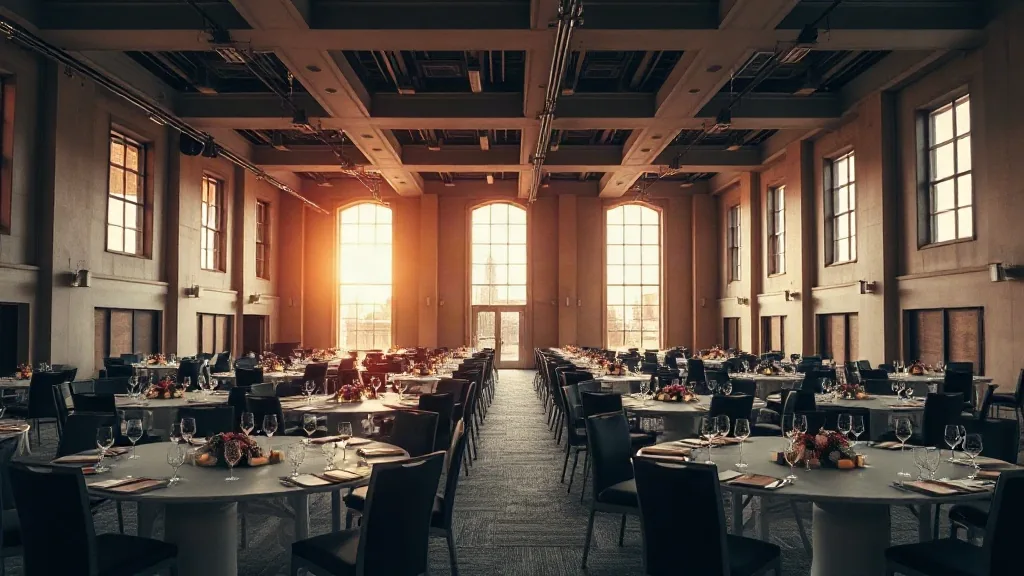
When the two documents conflict, most venue contracts specify that the contract controls. But the BEO is what the venue staff actually follows on event day. If the BEO says 8 rounds of 10 and you wanted rounds of 8, the setup crew sets the rounds of 10. They don’t have the contract in front of them. They have the BEO.
Read it. Mark up every line you don’t recognize.
The event header section
The first block is identifiers: event name, date, event number, your name and company, the assigned catering manager, and the room or rooms being used. This section is simple but important. Verify the room name matches what you toured. Venues have multiple rooms with similar names, and I’ve seen BEOs issued for the wrong room. If you toured the “Grand Ballroom” and the BEO says “Ballroom B,” ask before assuming.
The setup and timing section
This section shows when the room will be available for vendor access, when setup must be complete, when doors open, and when the event ends. It also lists the contracted hours and what happens at the end of those hours.
The number to watch is the venue access time. If your event starts at 7pm and your AV vendor needs 4 hours to rig, you need venue access by 3pm at the latest. If the BEO says access at 5pm, there’s a problem. Fix it before signing, not at 2:55pm on event day.
The section also includes breakdown time. Venues that do multiple events per day have hard stop times on breakdown. If your event has a late bar and your vendor needs 90 minutes to strike, make sure the BEO allows that window.
The room setup section
This section describes the chair and table configuration, the stage position, the dance floor placement if applicable, and any special furniture requests. Standard setup styles are theater (chairs only, no tables), classroom (chairs with tables), banquet (rounds), boardroom (hollow square or U-shape), and reception (cocktail tables only).
The BEO will list a setup diagram number or describe the layout in text. If you have a custom layout, this section should reference a signed floor plan. Without a signed diagram, “classroom for 80” means whatever the setup crew interprets, and interpretations vary.
Capacity numbers in this section are based on the venue’s fire-code occupancy certificate, not your comfort preference. A room listed for 200 in banquet setup may fit 140 comfortably with a 10-foot stage and a dessert station added. The BEO won’t tell you that. It will show 200 and expect you to know.
The food and beverage section
This is the section most planners focus on, and most of the confusion lives here.
The F&B section lists every menu item, the guaranteed count (the number of portions the kitchen is preparing), the price per head, and the service style. It also shows the bar package or bar type, the hours of service, and what happens at bar close.
The guaranteed count is the number you are financially responsible for, regardless of how many people show up. Most venues ask for a final guarantee 72 hours before the event. If your actual count is lower, you pay for the guarantee. If it’s higher, you pay for the actual count. The BEO shows the most recent guarantee on file at the time of issuance, which may be a placeholder.
The service charge is shown here as a percentage, typically 22-26%. It applies to all food, bar, and sometimes equipment rental. It is not a gratuity. See what does ++ mean in event pricing for the full breakdown.
The equipment and rental section
This section lists tables, linens, chairs, staging, pipe-and-drape, dance floor panels, and any AV equipment being provided by the venue. Each item has a unit cost and a quantity.
The items to scrutinize are anything described as “additional” or “supplemental.” A standard 60-inch round table and a banquet chair are typically included in the room rental or the F&B minimum at most hotels. A specialty linen upgrade, a custom stage configuration, or a second projector screen is usually a separate charge. If you see line items that weren’t in your original proposal, ask when they were added and why.
Setup fees are a common surprise here. Some venues charge a per-table fee for specialty linen, a per-chair fee for chair covers, and a per-panel fee for staging. These are legitimate charges. What is not legitimate is seeing them for the first time on a BEO issued five days before the event.
The AV section
If the venue is providing AV, this section lists the equipment: microphone types and count, projector or LED screen specs, lectern placement, monitors, and any streaming or recording services. Pricing is per-item or per-package.
If you are bringing an outside AV vendor, this section will still show any in-house items included with the room (built-in screen, house sound system) and may note restrictions on outside AV use. Some venues charge an outside-vendor fee ranging from $250 to $1,500 for allowing a third-party AV company in their space. That fee should appear here. If it doesn’t and you’re bringing outside AV, ask explicitly.
For a deeper look at scoping AV before this stage, see how to scope AV for a conference.
The staffing section
This section shows the minimum service staff assigned to your event: number of servers, bartenders, and supervisors, along with their start and end times. Staffing minimums are typically based on the guaranteed headcount and the service style.
For a plated dinner, 1 server per 20 guests is standard. Buffet service runs closer to 1 per 30-40. If the BEO shows 3 servers for a 90-person plated dinner, that’s a 1:30 ratio. Service will be slow. Negotiate the staffing before signing, not after.
Bartenders are usually listed separately. Most venues staff 1 bartender per 75 guests for a standard open bar. If you have 200 people and 2 bartenders, the bar line at 7pm will be 15 minutes long. Budget for a third.
The authorization section
The last page of a BEO has a signature line for both the venue representative and you (or your authorized contact). Signing the BEO confirms the details it contains. Some venues treat a signed BEO as a binding commitment on the guarantee count, the menu, and the setup. Others use it as a working document.
Read the language above the signature line. If it says “confirms all details as final and binding,” changes after signature may trigger amendment fees.
The question to ask: which contact name should appear as the authorized signatory, and what changes require a new BEO versus a written amendment?
The question to ask before you sign
After reading the BEO, ask the catering manager to walk through the line items added since your original proposal. Ask specifically: “Are there any fees in this document that weren’t in the initial proposal?” Then read the setup fees section again with that answer in mind.
You’re planning an event in a banquet hall, hotel, or conference center. The BEO is the closest thing you have to a script for event day. Sign it only when you understand every line.
Your headcount and F&B preferences should be finalized before the 72-hour guarantee window. Let me know what you’re working with and I can help you think through the sections that need attention.


