
When to sign a multi-year venue contract and when to walk
A three-year venue deal can lock in a rate and save real money, or trap you in a room your event outgrows. Here are the clauses that decide which one you get, and the walk-away signals I hold firm on.
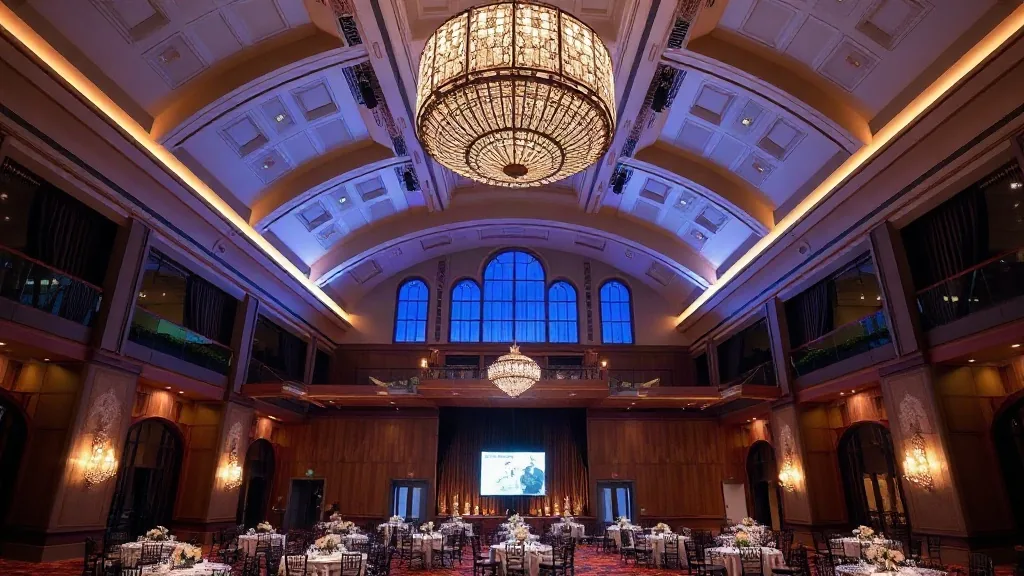
A convention services manager slid a three-year rider across the table and pointed at the rate: $2.15 a square foot, locked, no annual escalator. Our association had paid $2.60 the year before at a different hall. On a 40,000 square foot annual meeting, that spread is $18,000 a year, $54,000 across the term. I almost signed on the spot. Then I read clause 9, the one about how the contracted space could shift if the venue booked a larger group over our dates. That clause is why I did not sign that afternoon.
Multi-year venue contracts are the right call more often than planners assume, and the wrong call in ways that only show up in year two. I run recurring association and policy convenings, so I sign these every cycle. Here is how I decide.
Sign when your event is predictable
The case for a multi-year deal rests on one thing: can you forecast your headcount and footprint two years out with confidence. If you run an annual meeting that has landed between 1,100 and 1,300 attendees for four straight years, you can. Your risk of outgrowing or undershooting the room is low, and a locked rate is money in the bank.
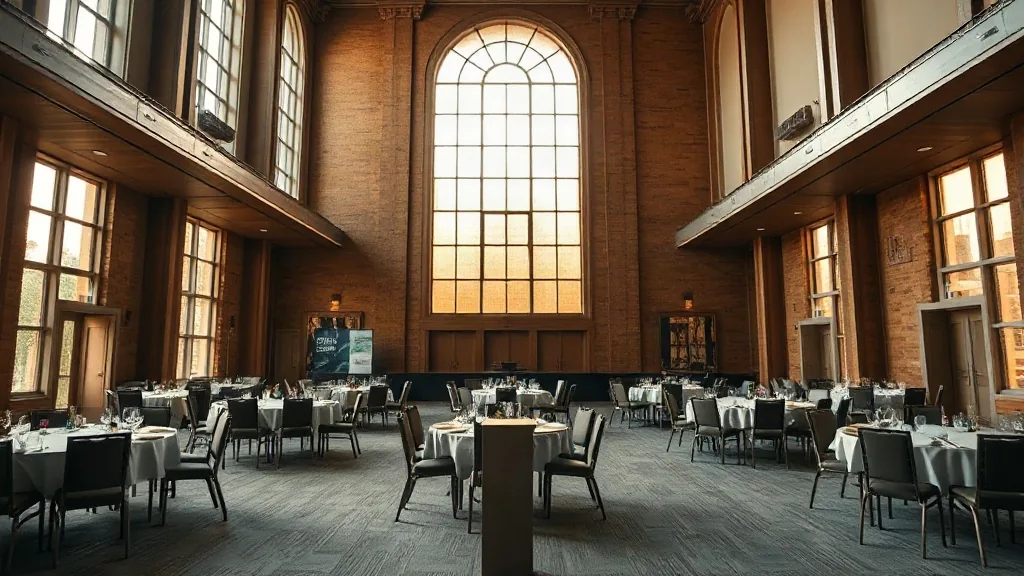
The math is simple. A venue that would raise your rate 6 to 9 percent a year on renewal will often hold a flat rate for a three-year signature, sometimes with a modest escalator of 3 percent. On a $95,000 annual space-and-F-and-B commitment, holding flat against a 7 percent annual bump saves roughly $6,650 in year two and $13,700 in year three. That is real, and it is the reason venues offer the deal: they trade rate for calendar certainty.
Walk when the flexibility clauses are one-sided
Here is where I get firm. A multi-year contract is only as good as its exit and adjustment terms, and venues write those to protect their calendar, not yours. Read how to read a venue contract before signing for the full clause map, but for multi-year specifically I hold out on four:
The relocation clause. Clause 9 in my story let the venue move my group to comparable space if a bigger booking came in. Comparable is doing a lot of work in that sentence. I strike it or I cap it: the venue may only relocate me with my written consent, and if I decline, my rate and space are guaranteed.
The attrition reset. In a one-year deal you negotiate attrition once. In a three-year deal, confirm whether the attrition threshold recalculates each year against actual pickup or stays pinned to the original estimate. I want it to reset to my prior-year actuals, so a soft year does not compound. The exposure math is the same as any single event, which I walk through in the venue contract I almost signed and shouldnt have.
The termination-for-convenience ladder. I need a way out that is not catastrophic. A fair multi-year deal lets me cancel any single year with 12 months notice and a defined fee that steps down the further out I cancel. If the only exit is paying the full remaining term, that is not a contract, that is a hostage situation.
The escalator cap. If there is an annual increase, it must be a hard number or tied to CPI with a ceiling. An escalator that reads “at prevailing market rates” is an open checkbook. I have seen prevailing market rates jump 14 percent in a single year in a hot convention city.
The deposit structure tells you who has the upper hand
Multi-year deals concentrate deposit risk. A venue that wants three years of your business will often stage deposits so you are not floating cash on years two and three before you have to. I push every deposit as late as the venue will allow and tie each one to that year’s event, never the whole term up front. The deposit ladder negotiation guide covers the sequencing I use. If a venue demands a large non-refundable deposit covering all three years at signing, walk. That structure means they are pricing in your default, which tells you they expect you to want out.
Run the break-even before you fall for the rate
The locked rate is seductive. Before I sign, I calculate the break-even: how many years does the rate savings need to hold before the loss of flexibility costs me more than I saved. If my event has any real chance of growing past the room in year two, the savings evaporate the moment I have to pay a penalty to leave and rebook a bigger hall. For a stable annual meeting, three years is comfortable. For a program in its first or second year, or one growing 20 percent annually, I sign one year and revisit.
Where multi-year deals actually pay off
Large convention centers are the strongest case, because their rates escalate hard on single-year renewals and their calendars fill years ahead, so your locked rate has the most to gain. Full-service hotels and resorts will trade rate for a multi-year room-block commitment, though watch the resort-fee and F-and-B-minimum lines, which they can raise even under a locked room rate. Dedicated conference centers are more likely to offer a complete-meeting-package rate held flat across the term, which is the cleanest structure to defend to a board because it is one number.

What a good multi-year deal looks like in practice
Two years ago I signed a three-year deal for a recurring 900-person policy convening. The rate held flat at the year-one number, which saved roughly $11,000 a year against the venue’s stated renewal escalator. But the reason I signed was not the rate, it was the clause package I got in exchange for the commitment. The venue agreed to reset attrition to my prior-year actuals each cycle, gave me a single-year termination right at 12 months notice with a fee that stepped from $40,000 in year one down to $18,000 by year three, and struck the relocation clause entirely. When our year-two headcount came in 8 percent soft, the attrition reset meant I owed nothing, where the original pinned threshold would have cost me around $14,000. The flat rate was nice. The clauses were what made the deal safe. That is the order to think in: flexibility first, rate second.
The one-line test
Before I sign any multi-year deal, I ask one question: if my event doubles or halves next year, what does this contract cost me. If the answer is “nothing catastrophic,” I sign. If the answer makes me wince, I negotiate the flexibility clauses until it does not, or I walk and sign one year at a time.
What is your event’s growth trajectory, and how firm is your headcount two years out? Tell me that and I can tell you whether a multi-year signature saves you money or just borrows trouble from your future self.


