Yacht vs Waterfront Restaurant for a Client Reception: Staffing, COI, and the Seasick Problem
Charter yachts have a firm 80-person capacity ceiling and a $3,000-$6,000 weather-cancellation exposure. Waterfront restaurants give more consistent service and fewer liability surprises above 80 guests.

A yacht reception looks extraordinary in photos. It looks less extraordinary when you’re managing a 95-person guest list on a vessel with two bathrooms, the boat is pitching in 2-foot swells, and three guests are sitting at the stern not talking to anyone because they get seasick on anything larger than a ferry.
I’ve done three yacht reception events and six waterfront restaurant buyouts. Here’s the honest comparison.
The Hard Capacity Ceiling
A 100-foot charter yacht with USCG certification for 120 passengers is not a 120-person reception venue. USCG capacity is the absolute maximum under emergency conditions, not the functional capacity for a standing reception with catering tables, a bar setup, and a service staff. A 100-foot yacht is a comfortable reception for 60-80 guests, with staff moving through the space.
If your guest list is 80-100, you’re already at the edge of yacht capacity. Above 100, you’re looking at a two-vessel charter (which doubles your coordination complexity and cost) or moving to a waterfront restaurant.
The capacity limit matters because corporate receptions frequently expand at the last minute. A waterfront restaurant buyout for 80 guests can absorb 10 add-ons the week before. A yacht charter for 80 guests cannot absorb 10 add-ons without a Coast Guard violation.
COI and Charter Liability
Yacht charter companies require general liability insurance minimum $1 million, often $2 million, with the charter company listed as additional insured. They also often require the host organization to carry a liquor liability rider, since alcohol is served on the vessel and the charter company bears some risk for guest behavior on the water.
Getting that paperwork together for a single event can take 7-10 business days if your company’s insurance broker hasn’t done marine event coverage before. I’ve had charter events nearly fall apart at the 10-day mark because procurement didn’t understand that the COI requirements were different from a standard venue event.
Waterfront restaurants have their own COI requirements, but they’re standard venue requirements that any commercial general liability policy already covers. The restaurant has its own liquor license. Your liability exposure is simpler.
The Weather-Cancellation Math
Charter yacht contracts typically have a 48-72 hour cancellation window for weather, after which your deposit is at risk. Deposits on a 4-hour charter for 80 guests run $3,500-$6,000. If the National Weather Service issues a small craft advisory for the day of your event, the charter company makes the cancellation call, not you. You get a credit toward a future booking, not a refund.
A waterfront restaurant buyout has weather cancellation language too, but an indoor waterfront restaurant is functional in almost any weather condition short of a named storm requiring evacuation. Your deposit exposure for weather is minimal.
Cost-Per-Head Comparison
For 80 guests, 4-hour reception:
| Line Item | Charter Yacht | Waterfront Restaurant Buyout |
|---|---|---|
| Venue / charter fee | $6,000-$12,000 | $1,500-$4,000 |
| F&B (passed apps, bar, gratuity) | $55-$85/head ($4,400-$6,800) | $65-$110/head ($5,200-$8,800) |
| COI premium (marine rider) | $400-$900 | $0-$300 |
| Weather-cancellation exposure | $3,500-$6,000 deposit at risk | Minimal |
| Captain and crew (included in charter) | Included | N/A |
| Transportation to/from dock | $800-$2,000 | $0 |
| Total range | $12,100-$22,700 | $7,200-$14,600 |
The yacht’s overhead is consistently higher by $4,000-$8,000 for the same headcount. The experience is genuinely different. Whether the premium is worth it depends on your client relationship and your reception goal.
When Yachts Win
Client development events where the experience itself is the gift. If you’re hosting 40 top clients for a sunset cruise and the yacht is the reason they said yes to the invitation, the charter premium is a business development expense. The boat is the event.
Smaller guest lists (under 60) where the intimacy of a private vessel is a legitimate selling point. At 60 guests on a 100-foot yacht, the space works. At 40 guests on the same vessel, it’s luxurious.
Company milestones where a distinctive format signals something intentional. An IPO celebration, a company anniversary, a deal-close dinner: the yacht communicates that the host chose an experience rather than a venue.
When Waterfront Restaurants Win
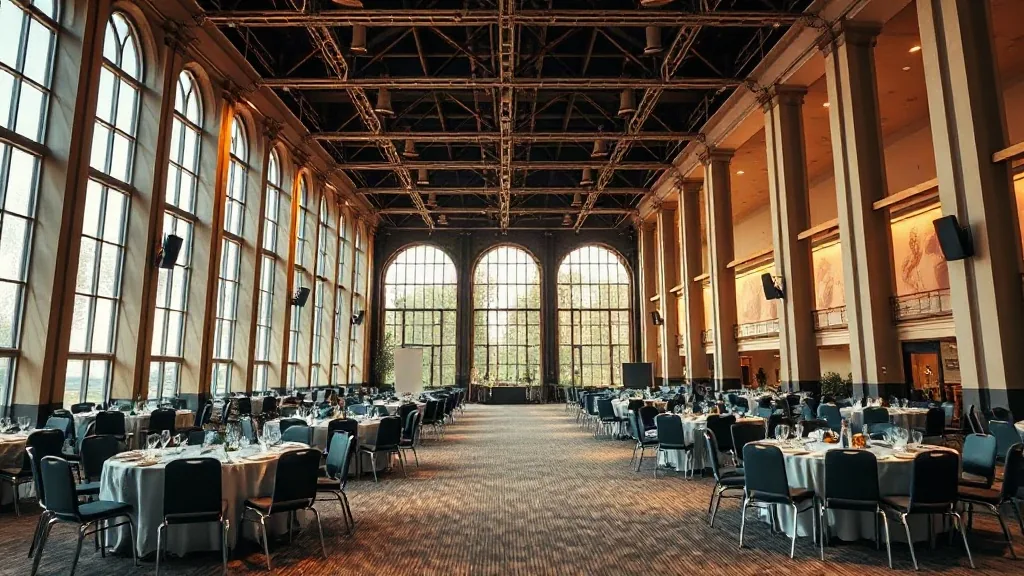
Guest counts above 80. Service quality above 80 guests on a vessel is genuinely harder to maintain than in a restaurant. Kitchen space, staff circulation, and bathroom access all become problems at that headcount on a boat.
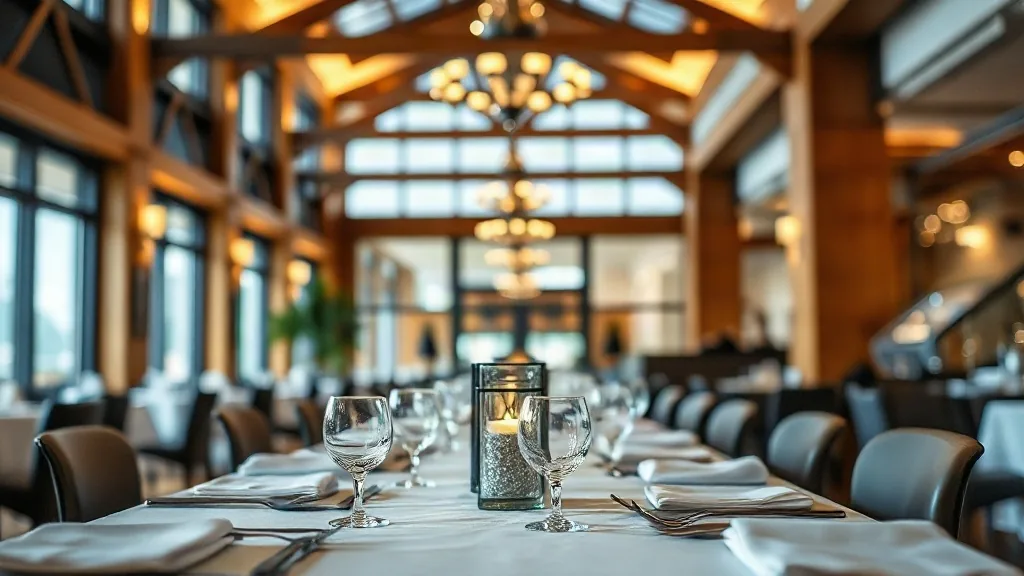
Events with dietary complexity. A restaurant kitchen can accommodate dietary restrictions at service in a way that a yacht’s compact galley cannot. I’ve had clients with serious dietary needs choose the restaurant over the yacht specifically for this reason.
Events where weather is a real risk (October through March in most US coastal markets). The 48-hour cancellation window on a charter in unpredictable fall weather is a budget risk that’s worth avoiding unless the experience justification is strong.
The Service Quality Comparison Above 80 Guests
A yacht’s galley kitchen is functional for preparing cold items, plating passed appetizers, and maintaining temperature on pre-cooked hot items. It is not a full-service kitchen. Above 80 guests, the service staff’s movement through the boat’s interior corridors creates bottlenecks. Servers carrying trays from the galley to the aft deck in a single-file corridor cannot pass each other, which means the service rhythm slows by 30-40% compared to a restaurant’s open floor plan.
At a waterfront restaurant with a private dining buyout for 80 guests, the kitchen is a full-service kitchen adjacent to the dining space. The service staff moves through a purpose-built service corridor. Plates arrive at tables at the same time because the kitchen has a line setup that fires courses simultaneously.
That service consistency is the restaurant’s biggest practical advantage above 80 guests. It shows in client experience. A client reception where the catering timing feels professional leaves a different impression than one where the shrimp cocktail arrived at your table 12 minutes after it arrived at the table next to you.
The Hybrid Option for Both Formats
Some markets have waterfront restaurants with outdoor deck access that effectively combines both experiences. A restaurant in Miami’s Brickell waterfront area or in Seattle’s Eastlake neighborhood may offer indoor private dining room plus an exterior waterfront deck as part of a single buyout. You get the kitchen infrastructure of the restaurant and the waterfront atmosphere of the outdoor setting.
This hybrid format exists in about 40% of major waterfront markets and is worth asking about specifically. “Do you have outdoor waterfront access as part of the private dining buyout?” is the question.
Browse yacht clubs and waterfront venues for the full range of options in your market. For the COI and contract terms that distinguish these two formats, see how to negotiate COI requirements with a venue and force majeure in venue contracts.
What’s your guest count and target month? Those two facts resolve the comparison in most cases.