How to Book a Yacht Club for a Corporate Event
Yacht clubs offer marina views and a nautical exclusivity that works for client receptions and executive dinners, but non-member access typically requires a member sponsor, dress code enforcement is real, and the distinction between marina-view space and the main event room determines which event format actually works.

Yacht clubs are the waterfront cousin of country clubs: exclusive, formal, and member-governed. The marina view is the selling point, and on a clear evening with sailboats at dock and the water catching the light, it earns the premium. I’ve booked yacht club events for financial services client receptions in Tampa, South Florida, and the Chesapeake region, and the format works reliably for the right client. The access process is specific and the dress code enforcement is not optional.
Who can book a yacht club event
Most yacht clubs are private membership organizations. Non-member corporate events require one of three access paths:
Member sponsor: A member of the club agrees to sponsor the event, taking personal responsibility for the booking and for guest conduct. The sponsoring member’s name appears on the event record. If anything goes wrong during the event, the member bears reputational responsibility. This is the most common path for corporate bookings and requires identifying a member within your client or executive network who holds membership at the specific club.
Corporate membership: Some yacht clubs have corporate membership tiers that allow companies to book event space without an individual member sponsor. These memberships typically cost $2,500 to $10,000 per year and are worth pursuing if your company books yacht club events more than once annually.
Non-member open booking: A minority of yacht clubs, particularly those in tourist-destination marinas or those that have developed an events business, accept non-member bookings directly without a sponsor requirement. These clubs are explicitly marketing their event spaces commercially. Ask directly: do you require member sponsorship for corporate events?
If you don’t have a member connection and the club requires sponsorship, working through a local event planning contact who has existing club relationships is a practical alternative.
The marina-view vs event-room distinction
Yacht clubs have two distinct venue environments:
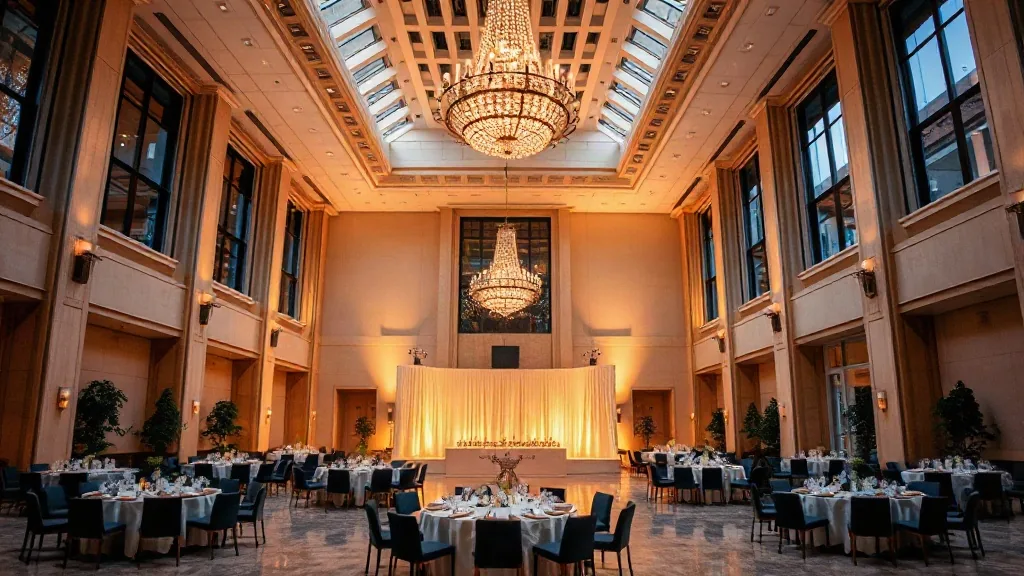
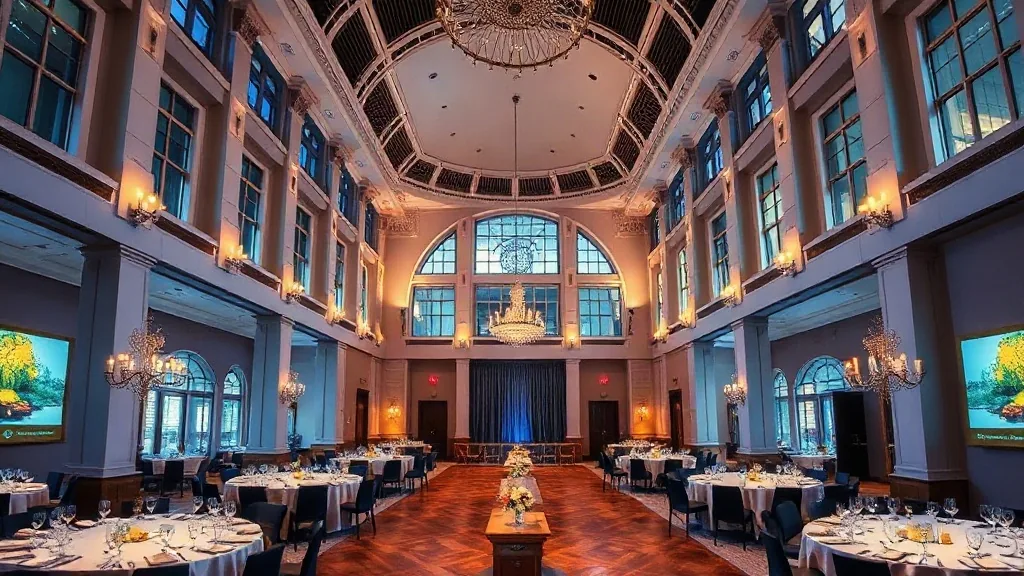
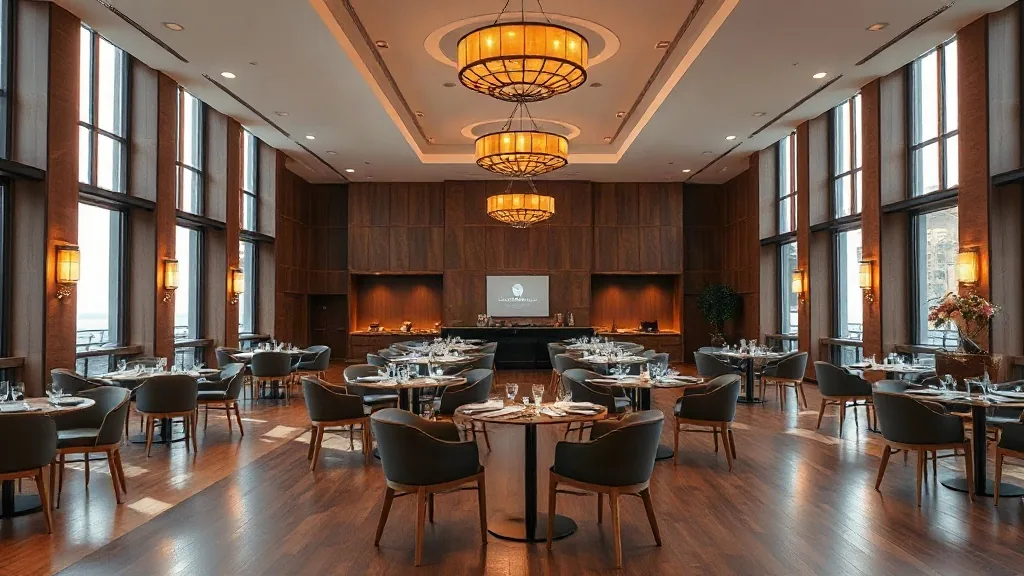
The main event room or ballroom: A dedicated event space inside the clubhouse, typically with views of the marina through large windows. This space functions like a traditional event venue: rectangular, carpeted or hardwood floors, ceiling for lighting installation, set up for tables and chairs. Capacity usually 80 to 300 depending on the club size.
The marina deck or terrace: The outdoor area adjacent to the boat slips and docks, with direct water access and unobstructed marina views. This space is the aesthetic peak of the yacht club experience and works beautifully for cocktail receptions. It’s subject to weather, wind, and seasonal restrictions.
Corporate events typically combine both: cocktail reception on the deck or terrace followed by dinner in the main event room. This works for 50 to 200 guests and is the format most yacht clubs are set up to execute well.
Avoid planning your entire event on the marina deck without a clear weather fallback. Marine environments are more wind-exposed than most planners expect, and a 20-knot breeze from the water at 7pm in October makes a deck reception genuinely uncomfortable.
Reciprocal club access
Yacht clubs, like country clubs and golf clubs, often participate in reciprocal access networks. A member of one club in the network has guest privileges at other clubs within the network, which extends the pool of potential member sponsors.
If your senior executive or board member holds membership at any private club, ask whether their club has reciprocal arrangements with yacht clubs in your target city. Major reciprocal networks in the US include USYCA (US Yacht Clubs Association), the Corinthian Club network, and city-specific reciprocal arrangements.
Catering: club vs outside
Yacht clubs typically have in-house catering or a small approved caterer list. The food quality at yacht club events is usually good because the club membership has high standards and the events program matters to the club’s reputation.
The menu range at most yacht club events runs toward seafood and coastal cuisine, which matches the environment. A clambake format, a raw bar reception, or a seafood dinner in a marina-view room delivers a thematic coherence that reinforces the venue choice.
If your event has dietary requirements that conflict with a primarily seafood-forward menu (multiple vegetarian or vegan guests, kosher requirements), confirm the club’s ability to accommodate before booking.
Catering per-person pricing at yacht clubs typically runs $90 to $175 for a seated dinner, $65 to $120 for a cocktail reception, depending on the market and the club’s tier.
Dress code and guest communication
Yacht clubs enforce dress codes. Standard in most clubs: no denim, no athletic shoes, collared shirts for men, business casual minimum. Some clubs require business formal for evening events.

Communicate the dress code clearly in your event invitation. “Business casual” is not sufficient specificity if you know your attendees will interpret it liberally. “Business casual; no jeans or sneakers” is more useful.
The club will enforce at the door. A guest turned away for dress code violations is an awkward situation that reflects on your event planning, not on the club.
Parking and accessibility
Yacht clubs are frequently located in marina districts with limited parking infrastructure. Visitor parking may be shared with restaurant and marina traffic, especially on weekend evenings.
Ask the club’s events coordinator: how many dedicated guest parking spaces are available for events, and how do you manage parking on busy marina weekends? For events above 100 guests, consider arranging valet parking or a shuttle from a nearby parking facility.
Seasonal considerations for yacht club bookings
Yacht club event availability and pricing follow the local boating season, which varies significantly by region.
Southern markets (Florida, Gulf Coast, Southern California): Year-round boating season means consistent demand and no soft periods. Some Florida clubs see higher demand in winter (snowbirds) and lower in summer (heat and hurricane season). For corporate events, the October through April window is the most comfortable and most prestigious.
Northeast (Connecticut, New York, Massachusetts, Maryland, Rhode Island): The boating season runs May through October. Off-season availability (November through April) is often available at reduced rates, though some clubs reduce their events program in winter. If you want the marina view without the peak-season pricing, October and early November are the best windows.
Pacific Northwest (Washington, Oregon): More limited outdoor marina use due to rain, but covered terraces and interior event spaces with marina views are available year-round. Summer (June through September) is peak demand.
For corporate events where the waterfront setting is part of the event’s story, match your date to the season when that setting is at its best in your target market. A January event at a Northeast yacht club will have a very different atmosphere than a July event at the same club.
Browse yacht clubs for corporate events by state and coastal region, or compare to country clubs for a similar member-sponsored format without the waterfront setting.
For the comparison between a yacht club reception and a charter yacht event, Yacht vs Waterfront Restaurant for a Client Reception covers the staffing, COI, and headcount ceiling differences. For the client reception format decision more broadly, Art Gallery vs Museum for a Client Dinner gives you the comparison framework for exclusive institutional venues.
Do you have a member sponsor identified or are you working from a corporate membership? That’s the first question before any other planning begins.