
Zero-waste catering that a venue will actually agree to
Most zero-waste catering asks die in the banquet office because they cost the venue money or labor it will not give. Here is what a venue will actually say yes to, what it costs, and the language to put in the contract so it happens.
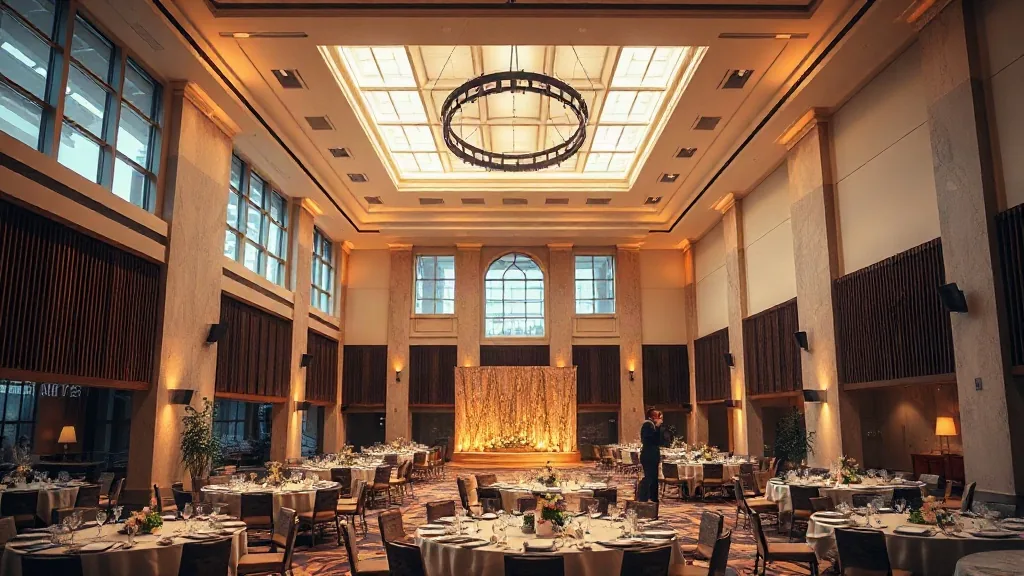
A client asked her hotel to run a zero-waste dinner for 180 people. The banquet manager said yes on the phone and then quietly did none of it, because “zero waste” as she described it meant more labor, more cost, and a compost hauler the hotel did not have a contract with. Nothing in writing, nothing enforced, nothing happened. Zero-waste catering fails in the banquet office, not at the event, and it fails because the ask costs the venue something it never agreed to carry.
I work with tech and agency clients who want the sustainability story and the invoice to both work. Here is what a venue will actually agree to, and how to get it into the contract so it is not just a phone promise.
Understand why the venue resists
A banquet operation optimizes for two things: labor efficiency and cost control. Most zero-waste requests cut against both. Composting means separating waste streams, which is labor. Donating leftover food means liability paperwork and a pickup window, which is labor and risk. Eliminating single-use means renting real china and glassware instead of disposables, which is cost. If your ask adds labor or cost with nothing in it for the venue, the banquet manager will smile and skip it.
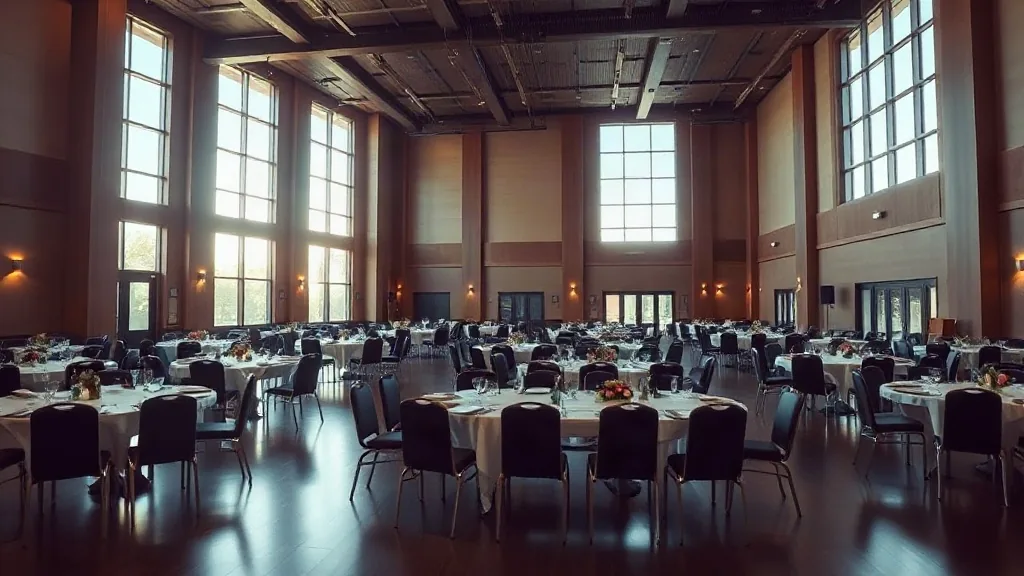
So the winning approach is not to demand zero waste. It is to pick the specific practices a venue can execute without blowing up its labor model, put them in the contract, and pay for the ones that genuinely cost money. Realistic beats total.
What venues will actually agree to
Accurate guarantees and consumption ordering. The lowest-friction win. Overproduction is the biggest source of event food waste, and it comes from padded guarantee numbers. Give the venue a tight, honest guarantee and let them order to it. This costs nothing, it saves you money on the per-head, and the venue prefers it because they waste less food they paid for. Start here every time. Getting the guarantee right ties directly to service style, which I break down in catering cost per head by service style.
Real dishware over disposables. Almost every full-service venue owns china and glassware and would rather use it than buy disposables. The cost is dishwashing labor, which is usually already baked into a plated service. For plated and buffet service this is a near-automatic yes. Where it gets expensive is stations and receptions that would otherwise use compostable disposables, so ask, and expect a small upcharge if they have to add a dish steward.
Bulk service over individual packaging. Pitchers of water instead of bottles, dispensers instead of single cups, family-style platters instead of boxed portions. Venues agree to this readily because bulk service is often cheaper for them too. It cuts visible waste hard and it rarely costs you anything.
Food donation, if you do the legwork. Venues resist donation because of liability and logistics, not principle. If you line up a recovery organization that handles pickup and provides the liability coverage, many venues will agree to release edible surplus. You have to do the arranging. The venue will not build that relationship for one event, but it will hand over the trays if you make it turnkey.
What venues will usually refuse
Full compost separation with a certified hauler is the common refusal, unless the venue already has that contract. If it does, use it and thank your luck. If it does not, do not expect them to sign one for your event. Same with elaborate custom waste audits and anything that requires retraining their banquet staff for a single booking. Know the difference between what is realistic and what is theater, because spending the sustainability budget on the visible-but-pointless version is exactly the trap I described in save the planet event signage is cosplay.
Get it into the contract, not just the phone call
This is where my client’s dinner went wrong. A verbal yes from a banquet manager is worth nothing at execution. Put the specific practices into the banquet event order and the contract as line items:
- “Water served in pitchers and dispensers, no individual bottles.”
- “China and glassware used for all plated and buffet service; no disposables at seated meals.”
- “Guarantee set at [number]; venue to order to guarantee, no automatic overproduction.”
- “Client-arranged food recovery organization to receive edible surplus; venue to release trays at [time].”
Each line is specific, executable, and assignable. When it is in the banquet event order, the captain running the room sees it on the sheet and does it. When it is a phone promise, it evaporates. Read every catering proposal for whether these show up as real lines, which is part of how to evaluate a catering proposal.
What it costs you
Done right, realistic zero-waste catering is close to cost-neutral and sometimes cheaper. Tight guarantees and bulk service save money. China over disposables at seated meals is often already priced in. The lines that cost extra, a dish steward for reception stations, are small and known. The expensive fantasy version, custom composting and full waste audits, is the one to skip, and skipping it is not a compromise because it was never the biggest lever anyway.
Where venue type matters
A banquet hall that does high volume already owns the china and runs tight guarantees, so it is the easiest yes. A restaurant with private dining tends to plate everything on real dishware by default and orders to actual consumption, which makes it low-waste without you asking. Big hotels and resorts have the most disposable-heavy reception setups and the most padded guarantees, so they are where your specific contract language does the most work.
The guarantee number is where most of the waste hides
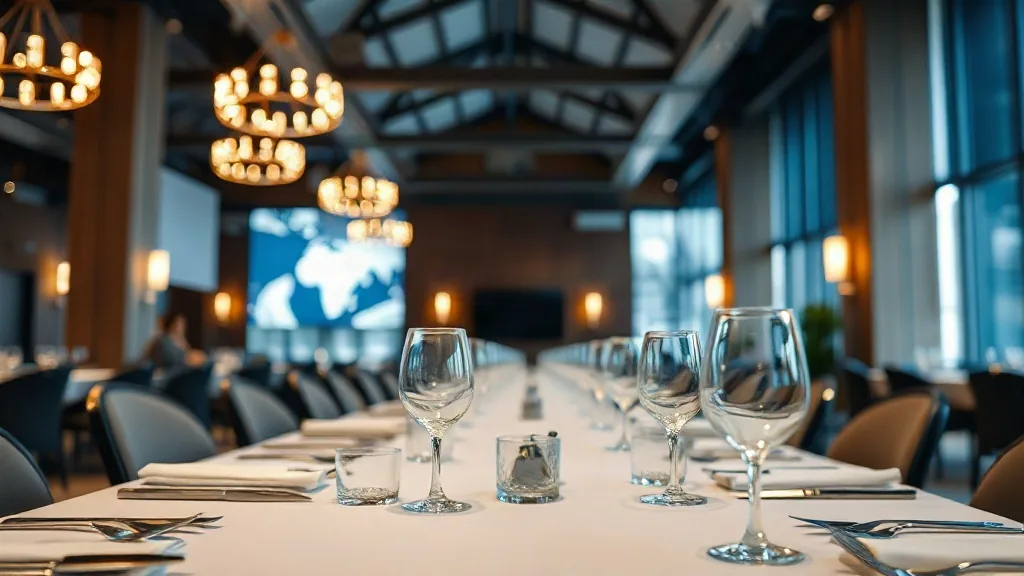
If you do one thing, fix the guarantee. Event food waste is mostly overproduction, and overproduction comes from padded guarantees plus the standard overset a venue cooks on top. A venue typically prepares for your guaranteed count plus 3 to 5 percent. So if you guarantee 200 to be safe when you expect 175, the kitchen cooks for about 210, and 35 meals go straight to the bin before anyone sits down. Nobody ate them, you paid for them, and they are the single largest line in your event’s food footprint. Tighten the guarantee to your real expected number and let the overset be the only cushion. On a 175-person dinner at $58 a head, cutting a 25-person pad saves you around $1,450 and eliminates the waste at the source, which is a better result than composting the surplus you never needed to cook. This is the rare move that saves money and reduces waste at the same time, and the venue does not fight it because they waste less inventory too.
Ask for the five things that stick
Do not ask a venue to be zero waste. Ask for accurate guarantees, real dishware at seated meals, bulk beverage service, and a client-arranged donation pickup, all written into the banquet event order. That set gets executed, costs almost nothing, and produces a real result instead of a phone promise nobody kept.
What is your headcount and service style, plated, buffet, or stations? Tell me those and I can tell you which zero-waste lines your venue will sign without a fight and which ones to leave off.


