
Accounting-firm busy-season kickoff: venues that survive a January freeze
A January kickoff means booking a venue that works when the temperature drops and the roads ice over. Here is how I plan for weather, short daylight, and a room full of people about to disappear into tax season.
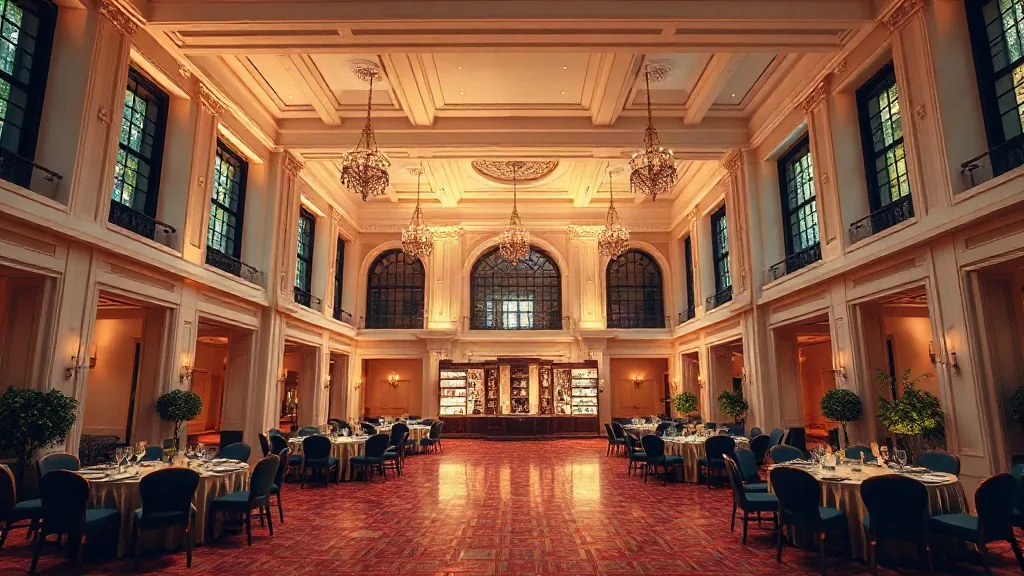
The last accounting-firm busy-season kickoff I ran nearly died at 6 a.m. on event day, when an ice storm shut half the interstate and 40 of our 210 attendees were driving in from two hours out. We had a room, a caterer, and a keynote ready. What saved it was that I had booked a venue attached to a hotel, so the people who could not drive home the night before had a place to sleep, and the ones stuck on the road had a livestream to join. That was not luck. That was booking for January instead of pretending it was June.
An accounting-firm kickoff is the last time the whole staff is in one room before tax season swallows them for three months. It happens in January. That timing is the entire planning problem, and most first-time planners book the room as if weather does not exist.
Book for the storm, not the average
January weather in most of the country is a range, and you have to plan for the bad end of it. The venue features that matter in a freeze are not the ones that sell a summer offsite:
- On-site or attached lodging, so a storm the night before does not empty your room. If people can walk from a hotel room to the session, an overnight ice event is an inconvenience, not a cancellation.
- Covered parking or a short, salted path from the lot to the door. A staff of accountants in dress shoes crossing an icy lot at 8 a.m. is a fall waiting to happen.
- A tested livestream so the people who genuinely cannot travel still attend. This is not a hybrid production, just a reliable camera and a link. The new year kickoff event lead time piece covers how far ahead you have to lock this to get it right.
The weather clause I put in the contract
Verbal reassurance is worthless when the roads ice over. I write it down:
- A defined inclement-weather cancellation and postponement provision, with named terms for a weather-forced move, not the standard force-majeure boilerplate that often excludes ordinary snow.
- Clarity on what happens to the F&B guarantee if attendance drops because of weather. Ideally the guarantee measures against a count set 72 hours out, not at signing, so a storm-thinned room does not trigger a penalty on food nobody ate.
- A held date for postponement within a stated window at the same rate, so a genuinely dangerous forecast has a landing spot.
Accounting-firm CFOs sign these budgets, and they respect a plan that priced the risk. The what the CFO actually approves for events framing helps here: a weather contingency reads as competence, not padding.
Short daylight changes the schedule
January gives you dark at 5 p.m. in most of the country, and that quietly reshapes a kickoff. An outdoor team-building block that would work in June is a cold, dark non-starter in January. So I keep the whole day indoors and front-load the energy. The keynote and the big all-staff moment go in the morning when people are fresh and the light is up. The afternoon runs on smaller, warmer formats, breakouts and roundtables, ending with an early dinner rather than a late one, because nobody wants to drive home on dark, icy roads at 9 p.m.
I move the dinner to an attached or very close restaurant with private dining so the transition is a short indoor walk, not a cold drive across town.
The room and the AV for a captive winter day
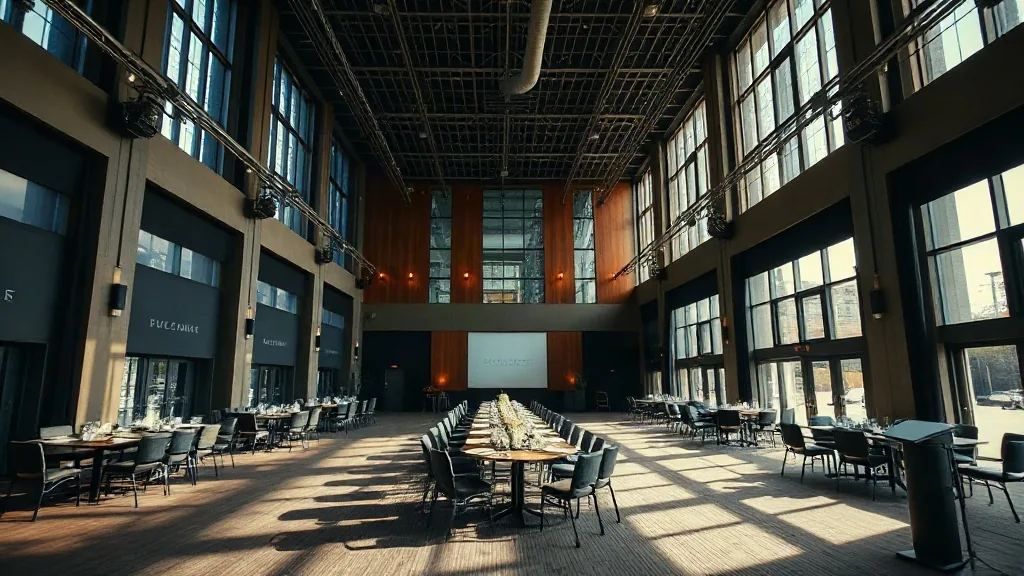
A busy-season kickoff is a full day of the whole firm in one place, so the general session room has to hold everyone comfortably in a format that survives eight hours. I set it crescent-round rather than theater, because crescent seating lets people take notes, eat at their seat, and turn to talk during breakouts without moving rooms. That means a room rated well above headcount. A 210-person crescent wants a room rated near 400 theater.
The AV is modest but it has to be reliable, because a winter day has no outdoor plan B to fall back on. A solid main screen, IMAG side screens if the room is deep, wireless mics with backups, and one tested camera for the livestream. Nothing exotic. Just gear that does not fail, because if the projector dies at a January all-hands there is no going outside. The sales kickoff planning playbook has the general-session mechanics, and an accounting kickoff borrows most of them with the weather layer added.
Venue types that survive January
For most busy-season kickoffs I book a conference center attached to or bundled with a hotel. That single decision solves lodging, parking, and the storm-the-night-before problem in one contract, and the complete-meeting package makes the budget a clean per-person number the CFO likes.

A hotel or resort with strong meeting space works the same way and adds better dinner options on site, which matters when you do not want anyone driving in the dark. Watch the attrition on the room block, since a firm where most people live locally will not fill a big block, so contract small and add rooms if out-of-towners need them.
A standalone restaurant with private dining works for the dinner half of a two-part kickoff, day session in a conference center, dinner a short walk away, as long as the walk is short and covered enough to survive the cold.
The date inside January matters more than you think
Not all January dates are equal for an accounting firm. The kickoff has to land before the real crush starts, which for most firms means the first two weeks, because once W-2s and 1099s arrive and clients start calling, nobody can spare a full day. But the very first week of January collides with people returning from holiday travel and with venues still resetting from New Year’s events. So I aim for the second week, roughly January 8 to 15, which gives staff a few days to land back at their desks and gives me a venue that is out of holiday mode but not yet booked solid with other corporate kickoffs.
That window is competitive, because every firm with the same calendar wants it, so I lock the date and the space earlier than feels necessary, often six to eight months out. A January kickoff booked in November is a scramble. The good rooms in the right suburban locations go first, and the firm that waits ends up either downtown, where the ice storm strands people, or a week later, when the season has already swallowed the staff.
The build order
- Pick a date and accept that January means planning for a storm, not the average day.
- Prioritize venues with attached lodging and covered or salted access.
- Write a real inclement-weather provision, with the F&B guarantee measured 72 hours out.
- Front-load the day into the morning; end with an early dinner, not a late one.
- Keep AV simple and reliable, with a tested livestream for the people who cannot travel.
Tell me your headcount, how many people drive in from more than an hour out, and your target January date. With those, I can tell you whether a hotel-attached conference center or a resort fits, and exactly what the weather and F&B clauses need to say so an ice storm costs you attendance, not your whole budget.


