
Action stations vs plated: the throughput math for 300
Action stations look generous and feel fun, but they can strand 300 hungry guests in line while a plated service would have fed them in half the time. Here is the throughput math that tells you which one your room and your schedule can actually support.
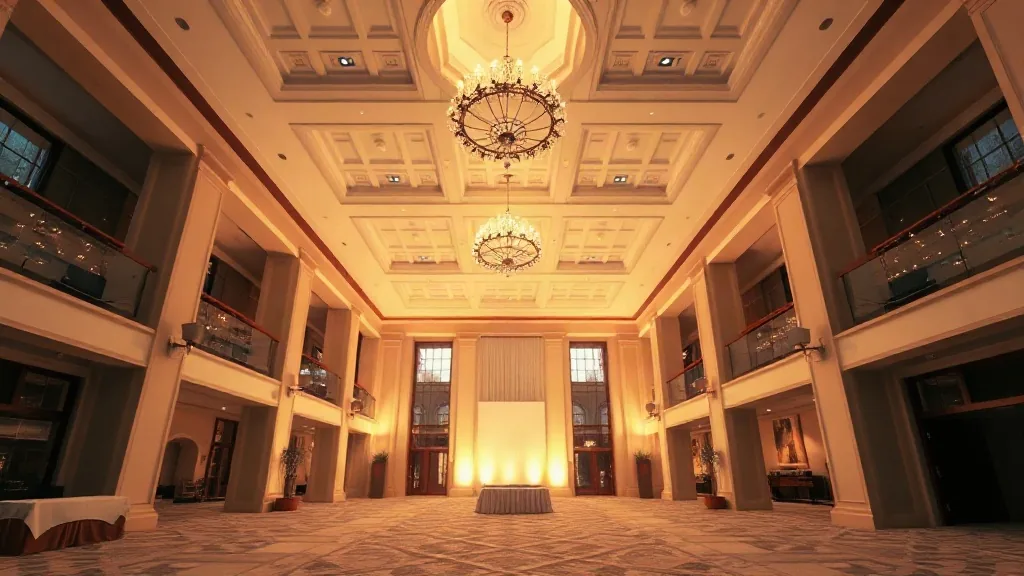
A tech client wanted action stations for 300 at an awards dinner because a chef carving prime rib on a live station looks great on the recap video. What the recap video did not show was the 22-minute line at the pasta station during the exact window we needed people seated for the awards. The program ran 35 minutes late because dinner was still happening when the CEO walked on stage. That delay traces to one number nobody calculated: throughput.
I came up through AV and production, where everything is measured against the clock, and food service is no different. An action station is a live cooking point where a chef finishes each plate to order. It photographs beautifully and it is slow by design, because someone is cooking your food in front of you one plate at a time. For 300 guests on a fixed program clock, slow is a scheduling problem, not a garnish.
The throughput numbers you have to know
A single action station with one chef pushes roughly 45 to 75 plates per hour, depending on the dish. A carving station is faster, closer to 90 to 120 slices per hour, because carving is quicker than saute. A made-to-order pasta or risotto station is the slow one, often 40 to 60 plates per hour per chef because each portion cooks individually.
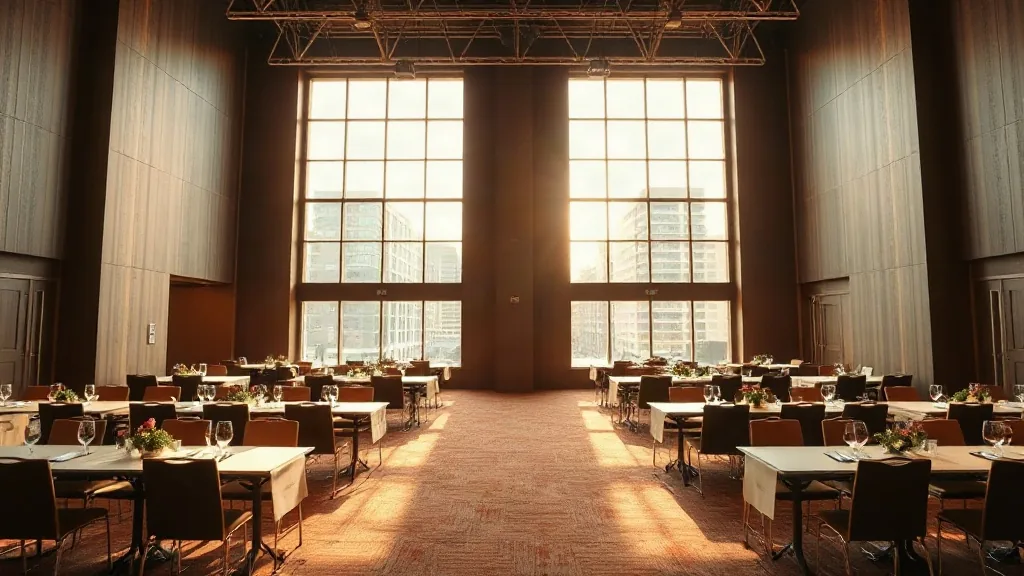
Do the math for 300 guests. At 60 plates per hour per station, one station takes five hours to feed the room. Obviously you run multiple stations, but here is the trap: if you want everyone fed inside a 45-minute dinner window, you need throughput of 400 plates per hour, which means six to eight action stations running at once, each with a chef, each with its own line. That is a labor bill and a floor-space problem most planners never price.
Plated wins the clock, every time
Plated service for 300, run by a competent banquet team, puts a first course down in about 12 to 15 minutes and a main in another 15. A well-drilled crew at a good banquet hall can serve 300 covers, soup to entree, inside 40 minutes with enough servers. The whole room eats on the same clock, which means your program starts when you planned it to start.
The catch is that plated only works if it is actually plated well, which is a different failure mode I wrote about in plated dinners are dead unless actually plated. A cold, pre-plattered “plated” dinner that sat under a heat lamp is worse than a good station. Done right, though, plated is the only service style that respects a fixed program clock for 300 people.
The server ratio that makes or breaks plated
Plated throughput is a staffing equation. For synchronized service you want one server per 10 to 12 guests, which is 25 to 30 servers for a room of 300. Hotels often quote you one per 20 to save labor, and that is where “plated” turns into a 40-minute drag because half the room finishes while the other half is still waiting. I put the server ratio in the contract as a number, one per twelve for synchronized service, and I confirm the cost-per-head by service style reflects that staffing, because cheaper labor quotes usually mean slower service, not savings.
When action stations are the right call
Stations are not wrong. They are wrong for a fixed-clock program. They are right when the meal IS the event: a strolling reception with no stage program, a networking dinner where lingering is the goal, or a two-hour window with nothing scheduled against it. Give people two hours and no speeches, and the 22-minute line disappears because nobody is racing a clock. The stations become the entertainment instead of the bottleneck.
Stations also work as a complement rather than the main event. I love a single carving or dessert station alongside a plated dinner, deployed during the reception or after the program, when there is no clock to beat. The trick is never to make live-cooked stations the sole path to dinner for a large room on a schedule.
The cost comparison
Action stations run $8 to $18 per head above a comparable plated menu, because you are paying for the chefs, the equipment, and the theater. On 300 guests that is $2,400 to $5,400 in premium for a service style that also risks blowing your program clock. Plated, by contrast, is often the more economical choice per head at scale precisely because it batches labor. The full number-by-number breakdown is the same one I ran in plated vs buffet for 200; scale it to 300 and the throughput gap only widens.
You are paying more for stations and getting slower service. That trade makes sense only when slow is what you want.
Floor space and power, the hidden constraints
Six action stations for 300 people need floor space and power that a lot of rooms do not have. Each live station wants a 6-to-8-foot footprint, a chef, and often a dedicated 20-amp circuit for induction burners or heat lamps. In a tight hotel ballroom, six stations eat the space you needed for seating and a dance floor. A convention center or a large banquet hall has the floor and the distributed power to run stations without cannibalizing the room, which is another reason stations are a big-room, no-clock proposition.
The hybrid that gets both
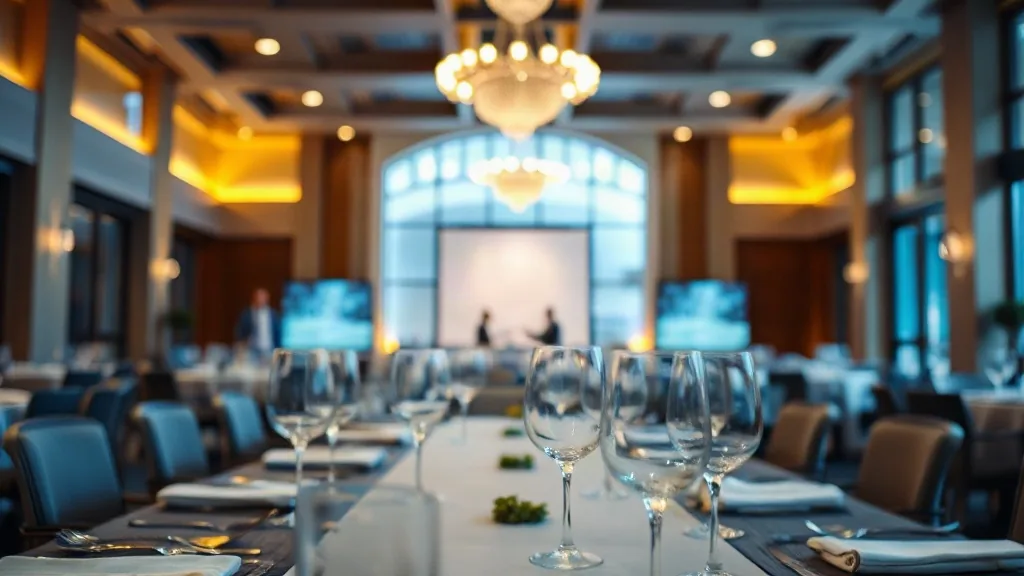
When a client insists on the live-cooking theater but the program has a hard clock, I run a hybrid: plated first course already on the table when doors open, plated main served synchronized, and a single dessert or coffee action station that opens after the program ends. The guests get the carving-station moment on the recap video and the room still eats on schedule, because the slow station lives in the open window after the speeches instead of gating dinner. This costs a little more than pure plated, maybe $6 to $10 per head for the one station, and it settles the fight between the marketing team that wants the photo and the production team that needs the clock. I reach for it whenever the client loves stations and the schedule cannot afford them.
How I decide in one question
Is there a program with a hard start time during or right after dinner? If yes, plated, with a real server ratio. If no, and the meal is the experience, stations, and let people graze. For the awards dinner that ran 35 minutes late, the answer was always plated. We just booked it after the video was already scripted around the carving station, and the clock lost.
Tell me your headcount, whether a stage program runs against the meal, and your total dinner window in minutes. Those three numbers decide plated or stations before anyone talks about the menu.


