
Agriculture and food-producer summits near the supply they talk about
Farm summits in working barns cut costs and sharpen buyer-producer talks.
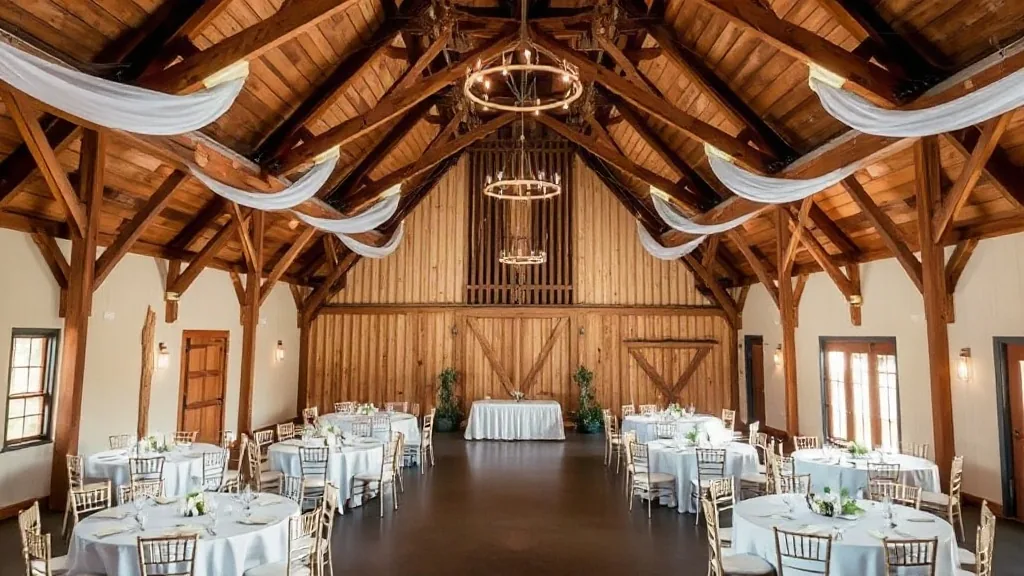
I’ve booked farm venues for twenty-somethings years, and one rule of thumb still holds: the closer the meeting room is to the actual production line, the cheaper the deal and the sharper the conversation. Last spring I signed a one-day summit for 85 supply-chain buyers into a retired dairy barn outside Madison, Wisconsin, and the all-in rate landed near $9,200 including AV, coffee, and a wagon tour of the working fields next door.
Why your attendees will actually engage when the dirt is real
The food producers you invite are sick of ballrooms. They spend their workweek in facilities where someone is grading vegetables or checking a pasteurizer’s log every fifteen minutes. Put that same audience in a restored hay loft with the smell of fresh straw drifting through the loading door, and their guard drops.
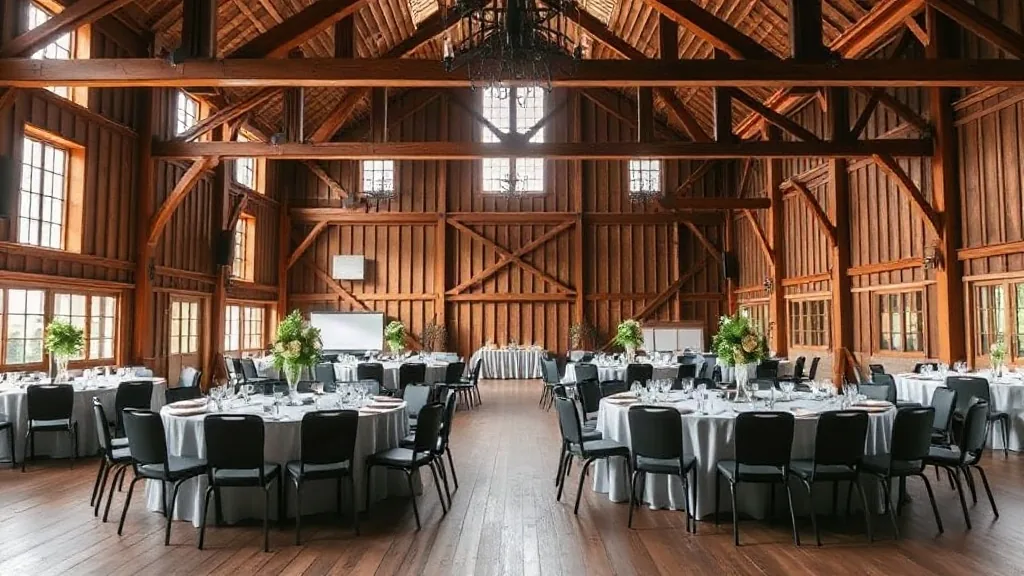
I planned a two-day Produce Packaging Innovation Forum for a regional grocery cooperative in 2023. Day two was at a working orchard’s event barn twenty minutes away, and the session evaluations came back with words like “authentic” and “relevant” written in the margins. The client’s head of procurement told me she learned more about cold-chain pain points selling for tenderloin than in any whiteboard session from the previous year.
Meeting near the supply changes the content of the conversation. When the grower sits three seats from the food manufacturer and both can see the harvest schedule pinned on a corkboard, logistics talk gets precise. Delivery windows get questioned. Volume commitments get negotiated right there on the phone, not deferred to a follow-up call that never happens.
There’s also a practical scheduling benefit. Producers work on crop cycles, not fiscal quarters, and a venue close to their operation means they can join for the morning session, check their facility at lunch, and come back for the afternoon roundtable without losing a full travel day. My last client logged 92 percent confirmed attendance for the on-farm day, compared with 68 percent for the city portion the day before.
Pricing tells you the venue’s priorities
A barn owned by a working family farm has a different P&L, and the event space is frequently a side project to the cows or the corn. That means they’ll often discount the room fee almost entirely to secure your catering business.
My own file from last September illustrates the point. One property, a restored hog barn in Ohio that can seat about 120 banquet-style, quoted $4,500 for the space and then offered to drop it to $1,800 if we used their in-house barbecue caterer for the lunch. The barbecue was fine, honestly decent, and ran $34 a head. A comparable hotel conference room down the road asked for an $11,000 food and beverage minimum before even quoting a room rental. The farm angle saved my client almost $6,000 on that one lunch alone.
The fee structure to watch out for is the per-head “facility maintenance” add-on that some converted farms sneak into the final contract. I negotiated one contract for a client in the Midwest where the base cost looked great at $23 a head, but the fine print added an $8 per person “equipment usage” fee for the microphones. That line item doesn’t exist in a traditional venue’s quote, so I got it struck from the contract entirely.
They’re worse with deposits, too. Expect a first payment of 50 percent, and be prepared to justify a 10 percent service charge for basically flipping the lights. Verify the cancellation clause a month out, because farm operations get disrupted by harvest windows that shift with the weather. I had one September event relocated to a different hall on the property when a late corn season pushed the combine schedule into our ballroom space.
Now let’s talk logistics and the nights-before problem
The single biggest planning headache is lodging density. A working farm that hosts weddings can handle a dinner for 150, but the closest hotel block might be a forty-minute drive from the barn’s gravel parking lot. You can’t walk anywhere. Uber coverage thins out fast past the city limits.
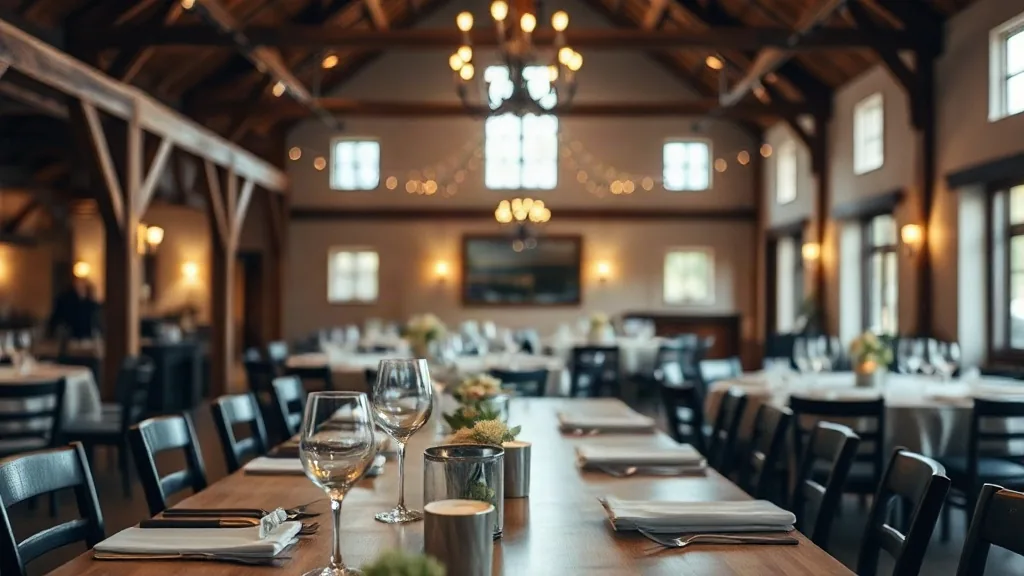
So I flip the schedule. Instead of the standard 9 a.m. kickoff, we start breakfast at 8:30 on site and run the full day before the afternoon rush. The producers stay nearby at a no-frills chain property where the rate sits between $115 and $145 a night. I book a block for the team and negotiate the pickup with the venue’s shuttle, but plan for a couple of cars in the personal vehicle fleet for late departures. On site, place two people across the property at the parking entrance and check-in table, because cell service drops to one bar past the treeline if you’re in any state other than Texas.
Confirm ADA accessibility before a producer in a boot cast arrives. A dirt path to the pasture is charming until a client tries to navigate it on crutches. Those are the details that make or break your itinerary, so confirm the drive times yourself on the Monday before the event, not from a brochure printed three years ago.
I’ve found my solutions for these sorts of logistics in specific locations across the country. There’s a property outside Atlanta with a huge barn and a shorter drive to the airport than you’d think, and it’s a workhorse for half-day production meetings. Up in Massachusetts, a classic stone-and-beam setup has enough square footage for both a break-out workshop and the main presentation. The other end of the country has a Texas layout where the food truck can pull right inside the main door, which kills a tricky catering timeline. And if the need is bigger than a single site, a venue keyed to a whole district works better than a converted mill, and a stable group portfolio lets you mix a barn speaker slot with a separate tasting room without crossing the state.
What the contract actually needs to cover
Before you send a deposit, get the liability clause the right shape. Venue owners aren’t corporate risk managers, and their standard agreement usually shifts too much risk to you. Require that the farm carry their own general liability policy with a minimum of one million per occurrence and add your client as an additional insured. Ask for a copy of their liquor liability if they hold the license. One family farm owner told me they simply “did not know what an additional insured form was,” so we emailed them a template from our broker and it solved the impasse.
Set the dates explicitly around harvest. The planting and harvest windows shift with rain, so build in a two-week notice clause that allows either party to move the date to a defined backup slot without penalty. Take a snapshot of the whole property before signing, and make it your client’s responsibility to manage the attendees. Some farms allow dogs; most ban open flames. Reconfirm the noise rules and the garbage strategy when the working crew is at the grain bins all day. If the farm is producing livestock, ask about the animal processing schedule, because a morning of deliveries can make some guests queasy during lunch.
Compliance officers at food companies run standard checks on these venues. Since you’re likely sitting close to a regulatory line, note in your briefing that most pharma and medical-device firms review venue selections for conflict-of-interest rules. The general operating guidance my retail food clients follow caps a business meal in the neighborhood of $75 to $125 per head, so keep the feast under that ceiling or move to a family-style option. These rules vary by company and by department, so confirm anything you hold as a policy with your compliance or legal team before you advertise the program.
Instead of my “final thoughts,” I’ll point you to my own book of tricks and prompt you toward action. For a harder sell inside a bigger budget, look at the large multi-acre options that give you multiple event barns for a bigger summit with simultaneous sessions. Just check the cell phone coverage map ahead of time, or you’ll spend your entire tech run hunting for a signal booster.
Ready to nail down a date? Tell me your headcount, your target month, and the closest airport you’ll fly your buyers into, and I’ll send back three curated barns that hit your number.


