
Annual shareholder meeting: hotel ballroom vs your own HQ
The venue choice for an annual meeting is a governance decision, not a catering one. Here is the real cost, security, and record-keeping math for holding it at a hotel versus your headquarters, from a planner who has run both.
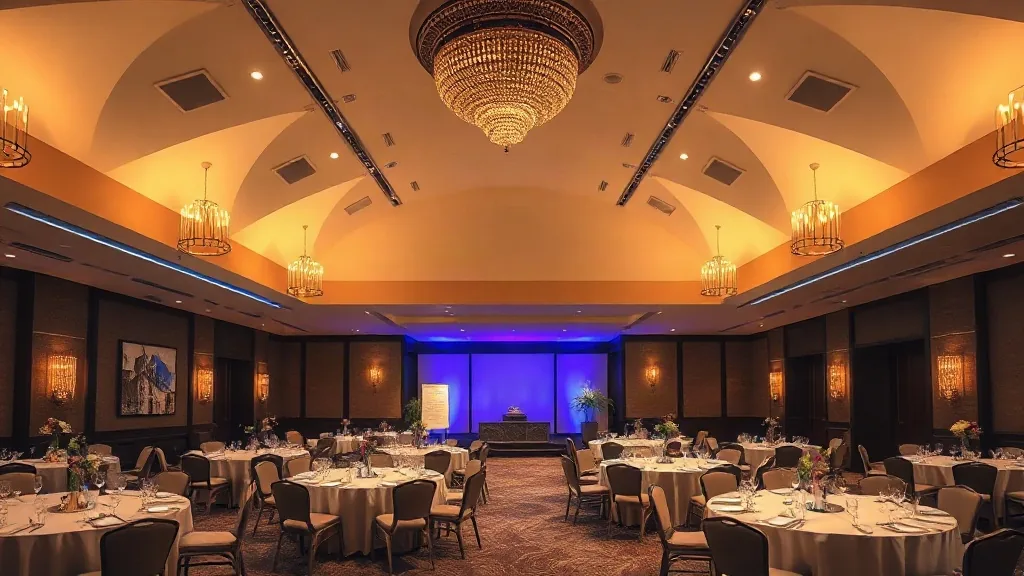
The quote that decided a client’s annual meeting two years ago was one line on a hotel BEO: “Ballroom rental, half day, $4,200, includes riser, lectern, and house sound.” Their HQ auditorium was free. They booked the hotel anyway, and they were right to. The $4,200 bought them a controlled entrance, a coat check that doubled as a bag check, and a back-of-house corridor that kept a hostile shareholder’s camera crew away from the CFO until the CFO was ready. Free was the more expensive option.
I plan annual meetings for finance and insurance companies, and the hotel-versus-HQ question comes up every year. Both can work. The choice turns on five things, and none of them is the room rental.
Quorum, the polls, and the record
An annual meeting is a legal proceeding. The inspector of elections needs a table, the tabulator needs power and a hardwired connection, and the corporate secretary needs a quiet room to certify the vote before the chair gavels out. At HQ you control all of that. At a hotel you have to specify it in writing on the banquet event order: a locked breakout for the inspector, a dedicated 20-amp circuit for the tabulation laptop, and no shared wifi for the vote count.
I put the ballot-tabulation room on the contract as a named space, not “space permitting.” The one time I let a hotel treat it as flexible, they gave my inspector a folding table in a pre-function hallway 40 feet from the coffee break. We moved. It cost me an hour I did not have at 7am.
Security and the disruptive shareholder
Public-company meetings draw activists, and a small number draw people who want a scene on video. HQ gives you badge access and your own guards. A hotel gives you something HQ often cannot: a neutral property with professional security who eject non-credentialed people without it reading as the company silencing a critic.
For a proxy fight year, I book the hotel. I want two entrances, a credential check at both, and a house-security lead who has done shareholder meetings before. I ask that last question directly. If the security manager has only worked weddings and sales conferences, I bring in an outside firm at roughly $65 to $85 per hour per officer for a four-hour window.
The AV nobody budgets for
Shareholder meetings are short, usually 40 to 90 minutes, but they are recorded and often webcast, and any technical failure becomes the story. Public companies live and die on the recorded record, which is why the investor day AV redundancy checklist applies here almost line for line. Two microphones on the chair, a backup lectern mic, a floor mic for the Q and A with a runner who controls when it goes hot, and a confidence monitor so the chair can see the running order.
At HQ your facilities team owns the AV, which is fine until the one person who knows the auditorium switcher is on vacation the third Tuesday in May. Hotels sell you a technician for the day, usually $600 to $1,100 depending on the market, and that person stays in the room the whole time. I have never regretted paying for a body in the booth at a meeting that gets transcribed for the SEC record.
The cost comparison that actually matters
People compare the free HQ auditorium to the $4,200 ballroom and stop there. The real ledger looks different.
HQ true cost: facilities overtime for setup and teardown ($400 to $900), security staffing if you augment your team ($500 to $1,200), catering brought in or ordered ($18 to $35 per head for a light breakfast), AV contractor if your internal team is thin ($800 to $1,500), and the soft cost of tying up your own lobby and turning employees into event staff.
Hotel true cost: room rental ($2,500 to $6,000 for a half day in a major metro), in-house AV ($1,200 to $2,800 all in), catering at the hotel’s per-head with a service charge around 24 percent, and a food-and-beverage minimum you have to clear. On a 150-shareholder meeting the numbers often land within $3,000 of each other. The deciding factor is rarely price. It is control, security, and whether your HQ can actually hold the crowd.
When HQ is the right answer
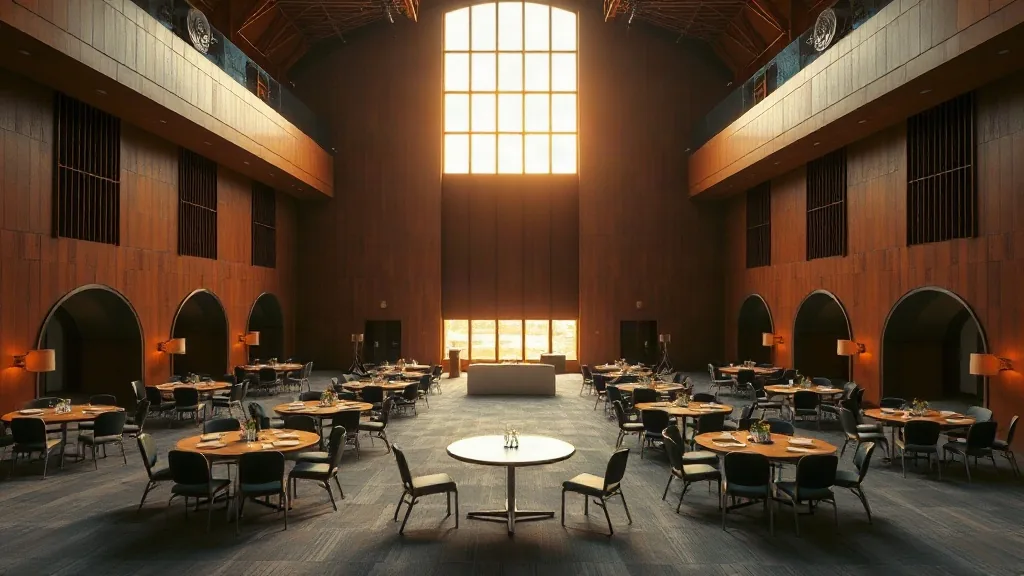
Small holder base, friendly year, no contested items, headcount under 60, and a real auditorium or large boardroom. A regional bank I work with holds its annual meeting in its own top-floor conference center every year. Thirty holders show up, the mayor is one of them, and moving it to a hotel would look like the bank did not trust its own building. HQ signals stability. Use it when stability is the message.
I also pick HQ when the meeting is paired with a facility tour. Manufacturers and hospitals get real value from walking holders through the plant or the new wing. You cannot do that from a hotel ballroom.
When the hotel wins
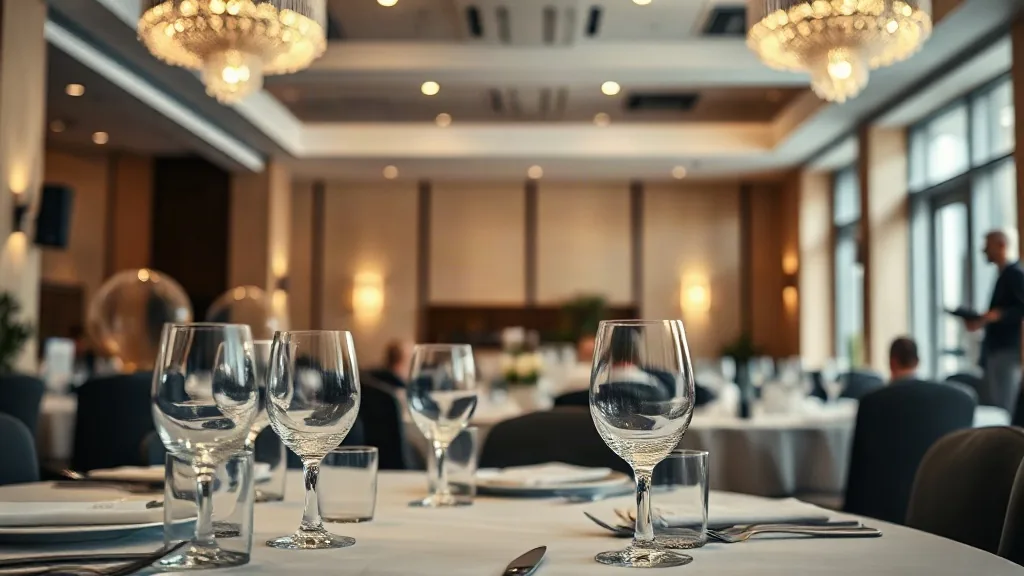
Contested proxy, expected attendance over 100, media interest, or an HQ that simply lacks a room with a stage, controlled entry, and overflow. The professional distance of a neutral property is worth the rental. A full-service hotel or resort also solves the out-of-town director problem: your board flies in the night before, sleeps upstairs, and walks down to the ballroom without a car. For larger holder bases a conference center or even a convention center meeting room gives you loading access and tabulation space a hotel cannot always match.
The eight-week checklist I run either way
Eight weeks out: confirm the date against the proxy mailing and the record date. Book the room. Six weeks out: lock AV scope in writing, including the webcast upload path and a hardwired connection for it. Four weeks out: security walk-through, entrance plan, credential design. Two weeks out: run of show with the corporate secretary and the inspector of elections, minute by minute. Meeting week: a full technical rehearsal with the chair reading the actual script into the actual microphone. The insurance and finance clients I work with treat this like a controlled proceeding because it is one, and the tropes around these meetings are real enough that I wrote up the insurance annual meeting patterns I see repeat every spring. The broader tradeoffs mirror what I laid out on analyst day at a hotel versus your own HQ.
So before you default to the free auditorium, tell me three things: how many holders you expect, whether any item on the ballot is contested this year, and whether the meeting is webcast. Those answers decide the venue faster than any price quote.


