Biotech investor days: data rooms, embargo and the venue's wifi logs
A $3.4 million deal hung on venue wifi logs, not molecule data, at a biotech investor day.
I closed a $3.4 million master service agreement this February for a biotech client, and I still spent the two weeks before their investor day awake at 2 a.m. thinking about the center’s wifi logs. The molecule data they were showing was good; the network that carried it was the part I couldn’t control, and neither could their counsel. Investor days are a different animal from a typical product launch. The audience isn’t buyers, they’re analysts and fund managers who write notes in real time, and the disclosure rules mean your venue choices carry legal weight. I’ve run eight of these since 2019, mostly in Florida and along the Northeast corridor, and the operational list is long. I’m going to hand you the parts that actually bit me, so they don’t bite you.
The data room is a real room, not a folder
I learned this the hard way in Fort Lauderdale in 2021. I’d booked 40 people into a conference center near the airport and assumed the “boardroom” meant privacy. It did not. The room had a glass wall facing the main hallway, and the client’s CFO spotted a reporter from a trade publication walking past during the Q&A. We moved the paper documents to an interior breakout room in 20 minutes.
For physical documents, which are still a thing with older board members, you need a secure shredding bin on site. The cost runs about $85 per bin in most markets I’ve booked, and you want at least two. You also want a designated person, usually a paralegal from the client’s firm, who controls who enters that room. Name that person in your run of show and brief the venue’s security team on their photo.
Embargo timing belongs in the venue contract
The mistake I made early on was assuming the embargo lifted at noon, because that’s what the client’s initial email said. The amended version pushed it to 2:30 p.m. when the FDA announcement cleared, and I had scheduled the afternoon dessert station in the presentation room at 2:00. The caterer was outside the door with 60 individual cheesecakes, and the venue’s staff had to hold them in a service hallway for thirty minutes.
The wifi logs matter most here. If the embargo breaks early because an attendee’s phone auto-synced an email with a sensitive attachment, the venue needs to be able to identify which device accessed what, and when. Most conference centers keep standard access logs for about 30 days, but I now ask for a 90-day retention window in writing. I also ask the venue to disable the public guest network in the presentation room and run everyone through a single dedicated network with a pre-shared key. That key goes only to the client’s approved list, and it changes the moment the embargo lifts. The cost for a dedicated wired drop and a private SSID runs between $400 and $900 per day depending on the property, and it’s the best money you’ll spend.
Venue selection starts with the building’s structure
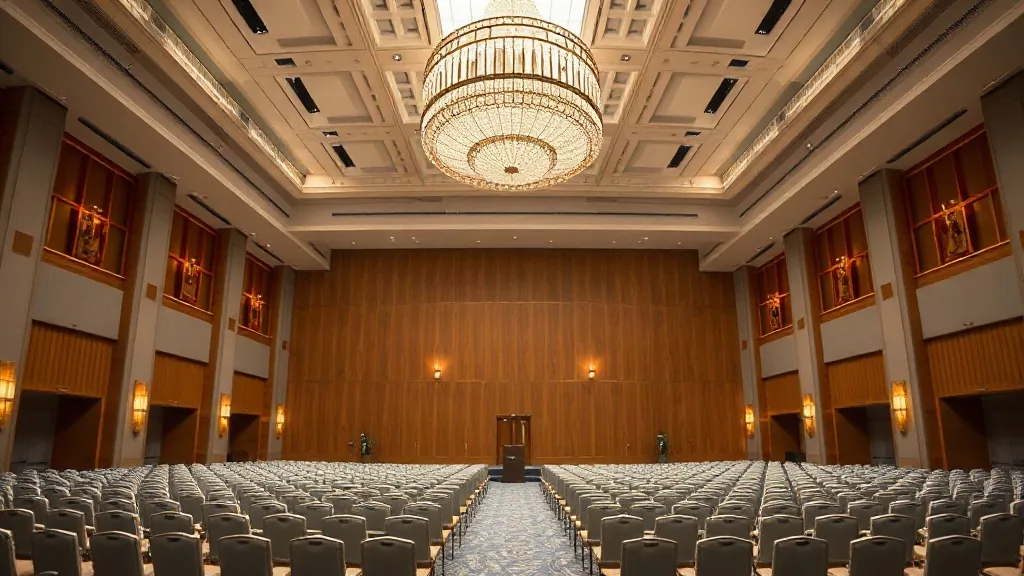
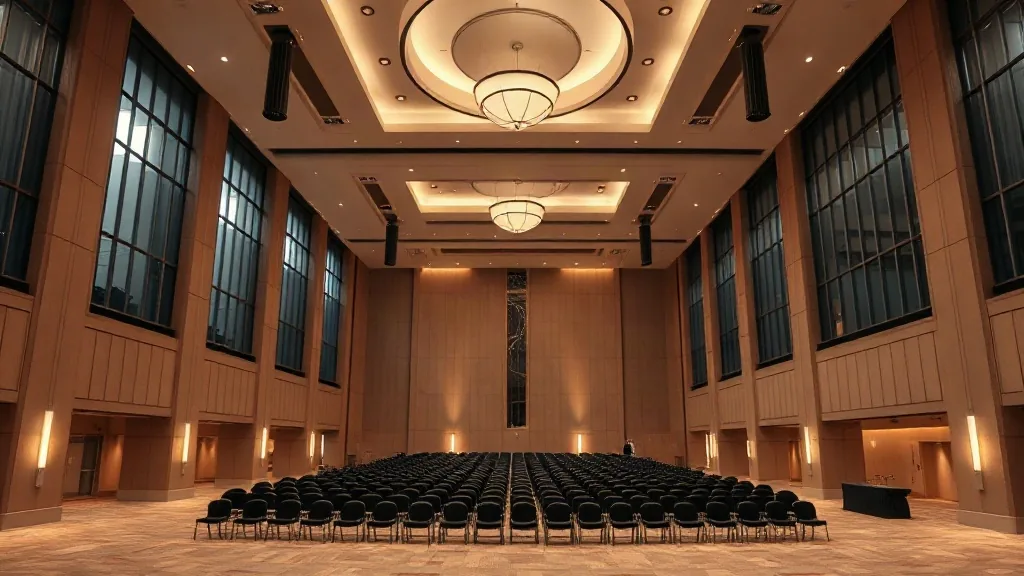
Not every room works for an investor day, even when the marketing photos look great. The biggest issue is column placement because you’re not putting up a stage with a video screen you can see from anywhere. You’re seating analysts at small tables or in a tiered arrangement, and they need an unobstructed view of the speaker AND the screen carrying the data slides. The data won’t be on giant slides with a funny graph. It’ll be dense financial tables, and a column blocking a corner produces an angry analyst who can’t read the revenue projection line.
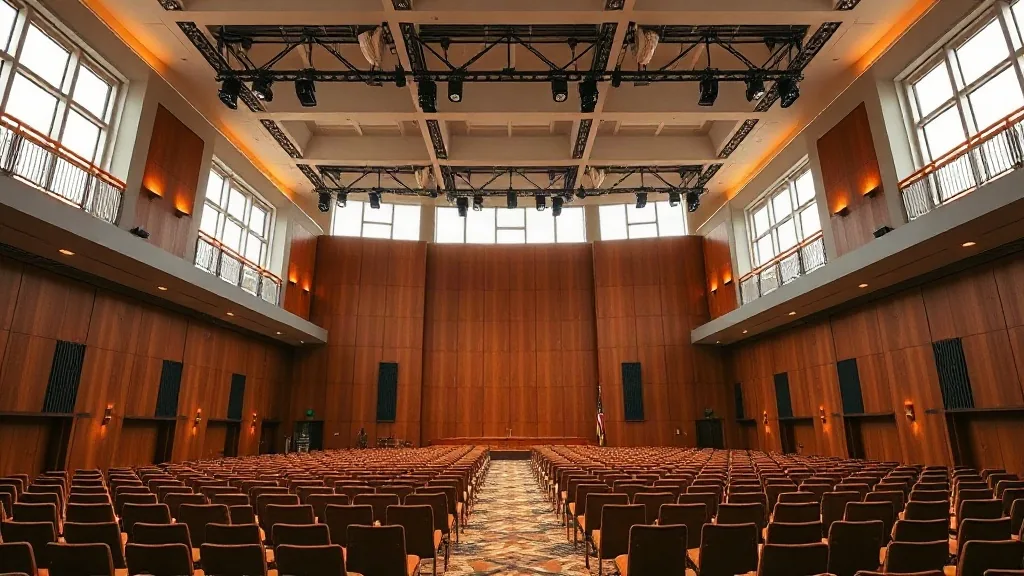
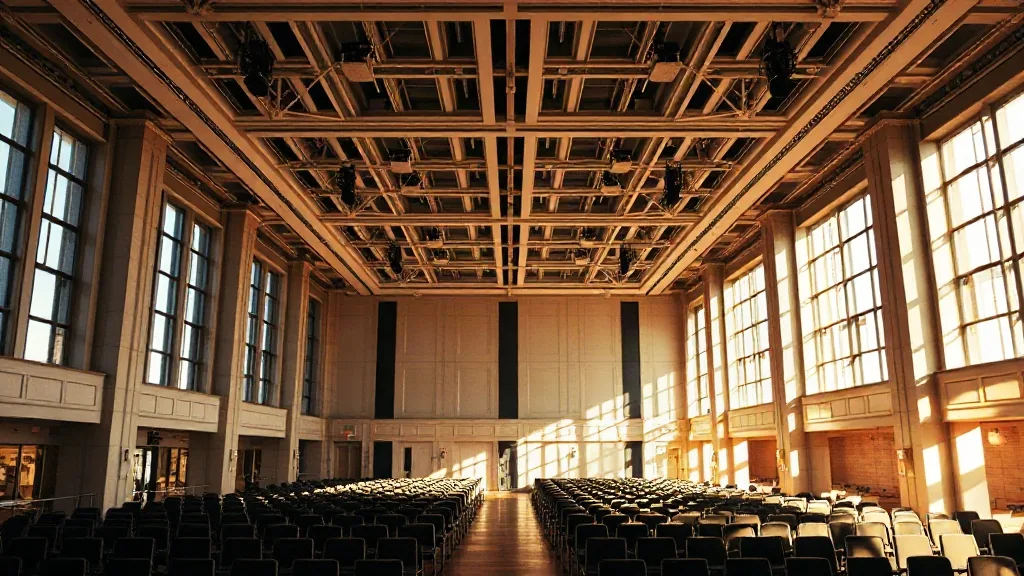
I look for a room with a flat floor and no permanent obstructions, or a tiered auditorium where the rows are angled correctly. For a 60 to 100 person investor day, a dedicated tiered auditorium beats a ballroom every time, provided the AV is in-house and reliable. When I have a client presenting in the New York area, I lean toward a dedicated conference center setup that has built-in production booths because the external AV provider costs add up fast and the venue’s own tech knows the room’s sightlines. For events in the Pacific Northwest, I’ve had strong results with a Forest Grove, Oregon venue that offers a similar production-friendly floor plan.
The room shape matters for a second reason: the Q&A format. Investor days run a long presentation followed by a brutal Q&A session where the questions get pointed. Some analysts want to whisper to their junior before asking, and a room with fixed theater seating makes that impossible. I now ask for a room that allows a small side table for every two seats, or I provide clipboards with the meeting materials. That clipboards-instead-of-tables approach saves money on food and beverage too, because you cut the per-head cost of a plated lunch down to a boxed meal around $28 per person rather than a $65 seated meal, but check your F&B minimum before you make that call.
The non-disclosure and the room sweep are your final gate
Two weeks before the event, your client’s legal team will send the final list of approved attendees. This list is not the RSVP list. It’s the people who have signed the NDA, and no one else gets in the room. The venue’s security team needs this list at the front desk, and they need to check photo ID against it.
I’ve had pushback from front desk staff who think they’re being rude asking a venture capitalist for a driver’s license. I solve that by sending a venue security lead a signed form from the client’s general counsel that explicitly directs the venue to require ID and to deny entry to anyone not on the list, including venue management if they don’t have a badge. That form also covers the badge policy: attendees get a colored lanyard, client staff get a different color, and venue staff get a third color that doesn’t allow them into the presentation room during the embargo window.
The room sweep comes right before the doors open. I walk the presentation room with a client representative and we look for anything that shouldn’t be there: a forgotten slide from the previous business using that meeting room, a paper pad with scribbled stock prices from the morning session, a phone left on a seat. That sounds like paranoia until you actually find one. In Sheridan, Wyoming, where I handled a small-cap client’s annual investor update in a frontier-era conference venue, the morning occupant had left their own confidential board deck in the copier tray. The client rep caught it at the sweep, and no one else saw it.
The last gate is the observation of the embargo itself. All screens in the room, including the confidence monitors facing the speaker, should display the approved presentation deck only. I have the AV tech run a second output to a review screen in the tech booth, so the client’s IR person can see exactly what’s on the main display at all times. After the embargo lifts, you’re not done. The venue needs to delete the recorded backup of the presentation feed or hand it over to your client, and your contract should say which one happens. Most venues keep a network recording for troubleshooting, and that file is a liability you didn’t ask for. Get the deletion confirmed in an email after the event.
Before you panic about the wifi logs, remember that the network is a tool, not a threat. A venue that keeps clean logs and can produce them on request is your asset if something goes sideways, and your diligence on the room, the list, and the sweep is what keeps nothing from going sideways at all. Talk to your client’s compliance team early and get their rules in writing. The numbers I gave you for rooms, retention windows, and per-head meal costs are my experience, not legal advice, so verify the specifics with your own counsel and the venue owner.
So tell me: what headcount are you planning for, and when’s your date on the calendar? Send that along and we’ll start the room search before someone else grabs the only column-free space in your target market.