Booking a venue for a CLE-accredited legal seminar
Book a CLE venue without surprise fees by scouting room layouts, contracts, and catering minimums first.
I ran a bar tab for a 40-attendee CLE seminar last March and the venue hit us with a $1,150 invoice for what they called “standard hospitality.” That was just the coffee. The legal seminar itself ran perfectly, but the billing made the general counsel’s eye twitch. I’ve planned enough of these to know the real cost drivers live in the contract language, the room setup, and the catering minimums, not the published day rate. Here’s how I work through a CLE venue booking so the only surprise is how smoothly the accreditation paperwork goes.
The Room Layout Decides More Than Comfort
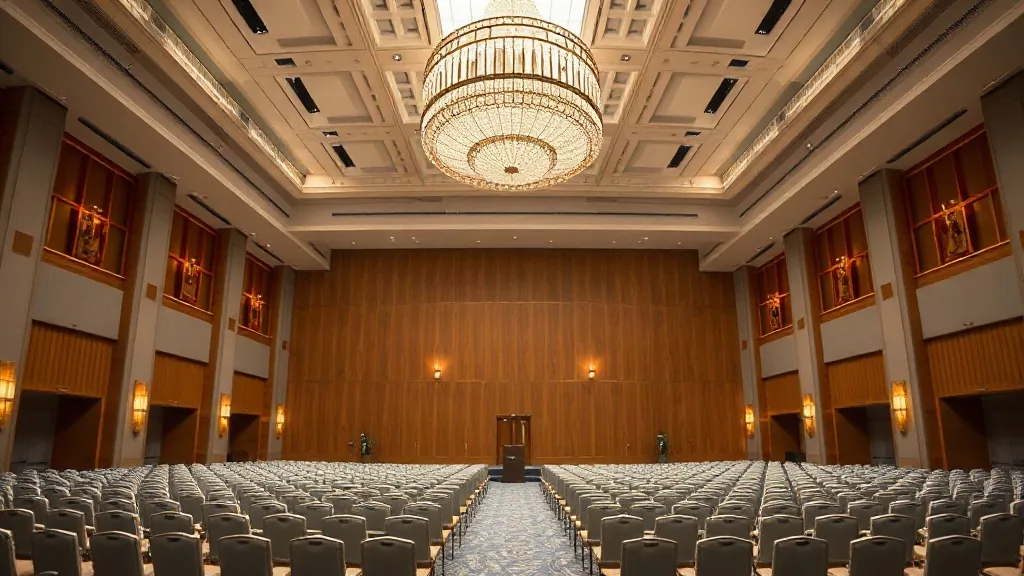
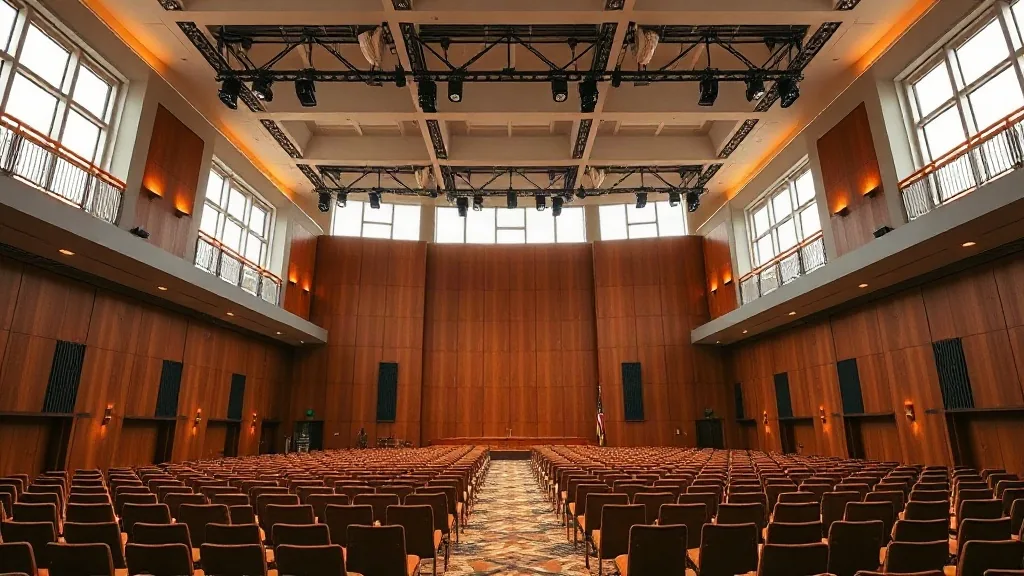
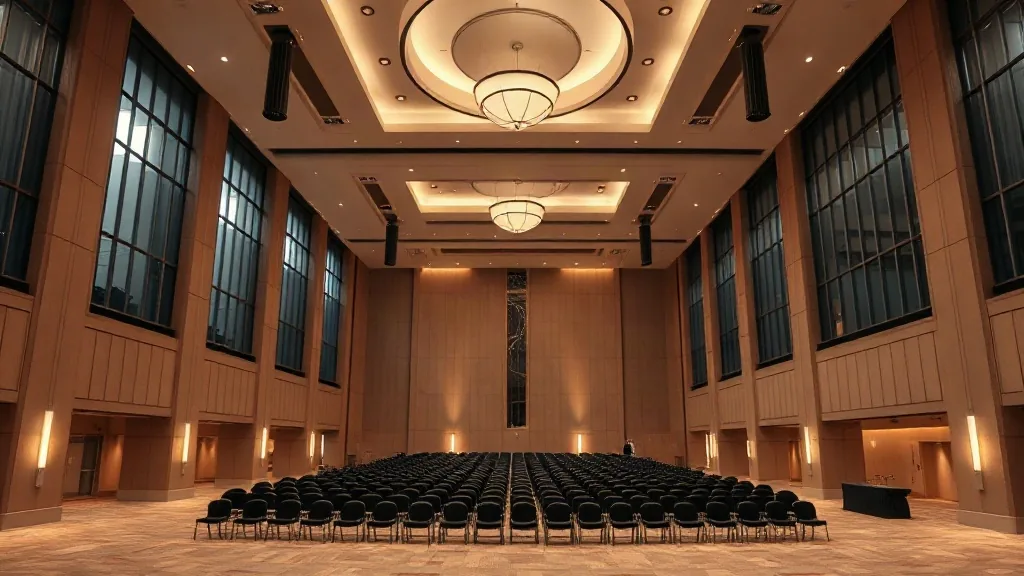
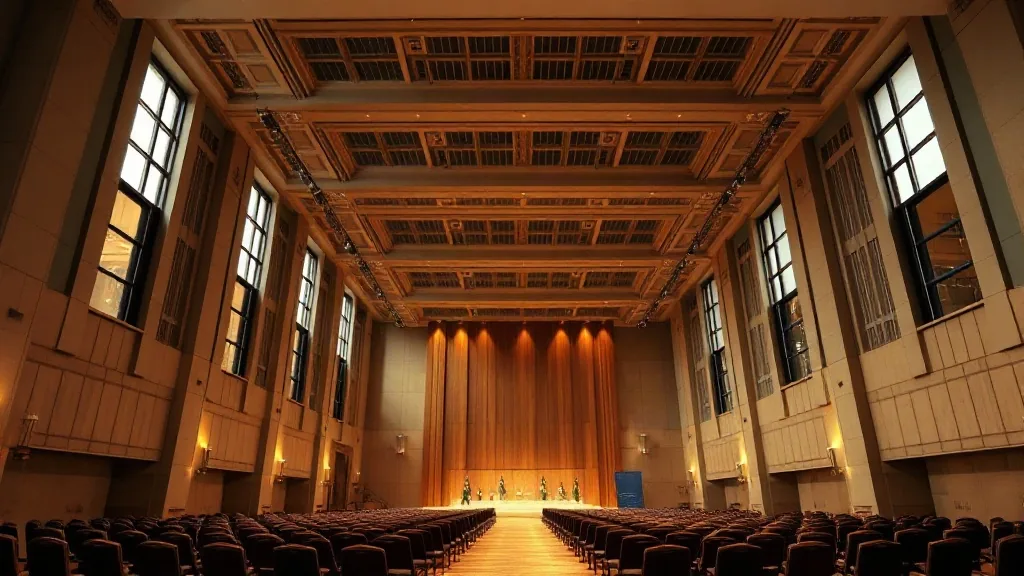
A standard 6-foot table fits two attendees comfortably with binders and a laptop. Most venues quote capacity using banquet or theater numbers because those fit more bodies, and the number looks better on a proposal. That 100-person ballroom you’re considering probably seats 60 properly for a CLE. Ask the sales manager for the “legal seminar capacity” specifically, because they have that number ready for law firms, they just don’t lead with it. I’ve booked rooms where the venue promised 80 in a setup that fit 52 with real workspaces, and we ate the cost of a second room that afternoon. Check the room’s column placement too, since a support pillar in the middle of a classroom grid takes out two full rows. One of my colleagues lost thirty seats to an AC column the venue diagram didn’t show, and the client was not forgiving. Always walk the actual room before the event, not just the diagram. For a tighter setup, conference-centers often have dedicated classroom configurations that avoid these pitfalls.
What the Catering Minimum Actually Buys
The food and beverage minimum is where venues make their margin on legal work. Here’s the blunt math: a law firm client of mine budgeted $85 per head for a full-day seminar including breakfast, lunch, and two coffee breaks, and the venue countered with a minimum that priced the room at $4,200 plus a food bill that just happened to land at $4,390. Those numbers are not coincidence. When you book a conference center or a hotel meeting room, the published rental fee is often negotiable if you commit to a food minimum. I always ask for the rental fee waived against the catering total, and it works about half the time.
Typical full-day catering runs $75 to $125 a head for the breakfast, lunch, and breaks, and that’s before service charge and tax. The service charge floats around 20 to 22 percent in Atlanta, and venues calculate it on the pre-tax food total. Make sure the quote includes it, because I’ve seen proposals that list a $95 per-head lunch, then add an 22 percent service charge and 8.9 percent tax on top. Your $95 lunch becomes $119 and change. Ask the venue to break out the service charge and tax in the proposal so you’re comparing apples to apples. Also ask what happens if the food minimum goes unmet because attendance drops. Most contracts hold you to the minimum regardless, though some venues let you transfer the balance to a future booking within a year. Do not expect that transfer clause to appear in the first draft. You have to request it.
A few practical notes on the meals themselves. Order the boxed lunches or plated meals if you have a tight schedule, because buffets run slow and CLE sessions always run long. Plan 30 minutes for a buffet line with 60 people and you’ll start 10 minutes late for the afternoon session. Also ask about the coffee break pricing separately. One venue I work with charges $9.95 per person per break for coffee, tea, and pastries, and it adds up fast across two breaks for a 60-person group. That’s nearly $1,200 in coffee alone.
If Your Attendees Are Mobile, Lock the Tech Early
Wi-Fi is another line item venues love to bury. A room rate that looks reasonable often excludes in-room Wi-Fi for your attendees, and the per-device fee runs $12 to $25 a day per connection. For a 60-person seminar where everyone has two devices, that’s a potential $3,000 charge. I negotiate a flat wireless fee into the contract, or ask the venue to include it in the day rate as part of the meeting package. A strong Wi-Fi network also matters because many CLE seminars now use live polling or online attendance verification through platforms like GoToWebinar or Zoom Events. If someone has to have a breakout room for video testimony or remote witnesses, verify the internet speed in that space with a site visit, and ask whether the venue guarantees a minimum upload bandwidth in writing. One venue in Buckhead told me their “business-class” Wi-Fi, then the uploads crawled because every attorney in the building was on a video call. I now request a dedicated access point or a hardwired room for any session with a remote component. For events with heavy tech needs, conference-centers-dallas-texas locations often have better infrastructure than standard hotels.
State Credit Rules Matter More Than the Venue Knows
Budget Lines to Query Before You Sign a Venue Contract
Ask about overtime rates if your seminar runs past the contracted end time, because CLE sessions go long more often than not. A venue charges $500 to $1,000 per hour of overtime for a ballroom plus staffing, which can double your event cost if you end an hour late. I tell my clients to budget a buffer in the schedule and to write the room agreement with a planned overtime window negotiated in advance. A late fee rate booked at contract time is always lower than an on-the-spot rate. Check the room rate and see if it drops for a partial day if you plan to wrap by 3:00 p.m. Several full-service locations in the conference-centers-silver-spring-maryland area or the meeting spaces around Cincinnati run morning and afternoon sessions separately, letting you pay a half-day rate of roughly 60 percent of the full day. That saves a solo practitioner $400 on a small seminar.
For bar admission rules and credit application, reserve a quiet corner for a printer and binder assembly station, and check if the venue charges a drayage fee for shipping boxes of materials to the loading dock. Sending 30 pounds of binders to a hotel’s receiving department can trigger a handling fee from $50 to $150, depending on whether they need a dock appointment. I plan to hand-carry or ship materials directly to the client’s representative at the venue to avoid that entirely. If you need accredited CLE activities with a technology component, some states require that you announce the interactive element at the start of the seminar and track participation in that portion, so test the polling software in the room the morning of. Nothing kills approved credits faster than an archived session where the breakouts didn’t record. Book a venue with technical staff who can watch your live polling metrics. Ask about their standard arrival schedule for setting up tables to your exact diagram. A venue that sets up by 7:00 a.m. for an 8:30 a.m. legal session preserves your last prep hour. If they tuck tables against the wall at 8:10 a.m. and wait for your direction, you’re moving chairs during registration, and that’s gross theater. A meeting room at any conference-centers-colorado-springs-colorado property worth its sand will have your classroom setup to spec with flip charts and pens on the lectern an hour before start.
What headcount are you planning for, and is your event a single-day seminar or a multi-day conference? If you send me your date, city and expected attendance, I can run a couple of venue comparisons before you sign anything.