I carry a CO2 meter to site visits and it explains the 2pm slump
An $80 handheld CO2 monitor showed the 2pm slump is a ventilation problem, not a lunch problem, with readings hitting 1,640 ppm in a packed training room.
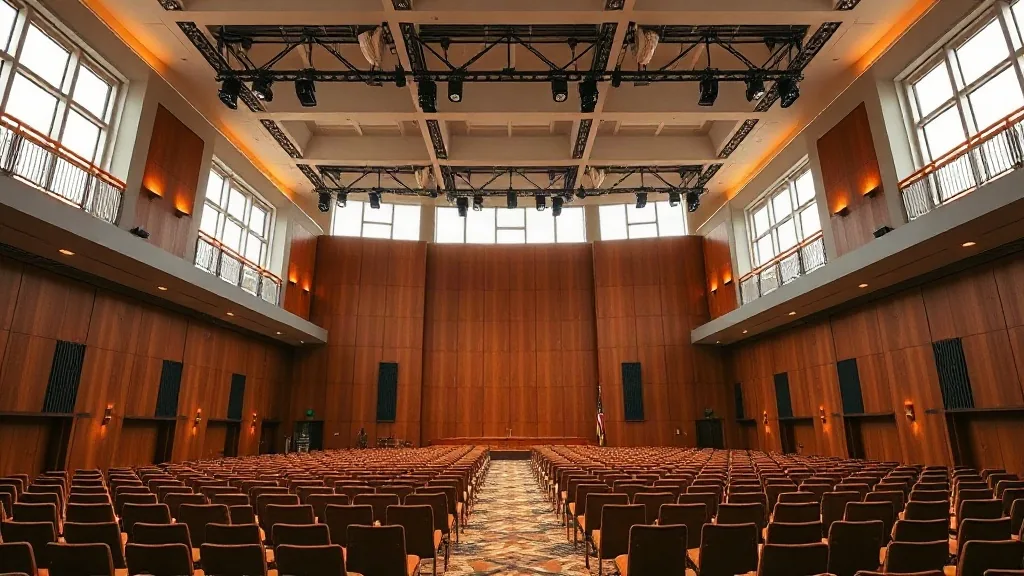
I paid $80 for a handheld NDIR CO2 monitor in January, and it’s the cheapest piece of kit in my bag. Last Tuesday it read 486 parts per million in an empty breakout room at a hotel on the 101 in Burlingame. At 8:40am. Doors shut, nobody in it, house air running. That number is the outdoor baseline plus a little, which is what a properly ventilated room looks like when it’s empty.
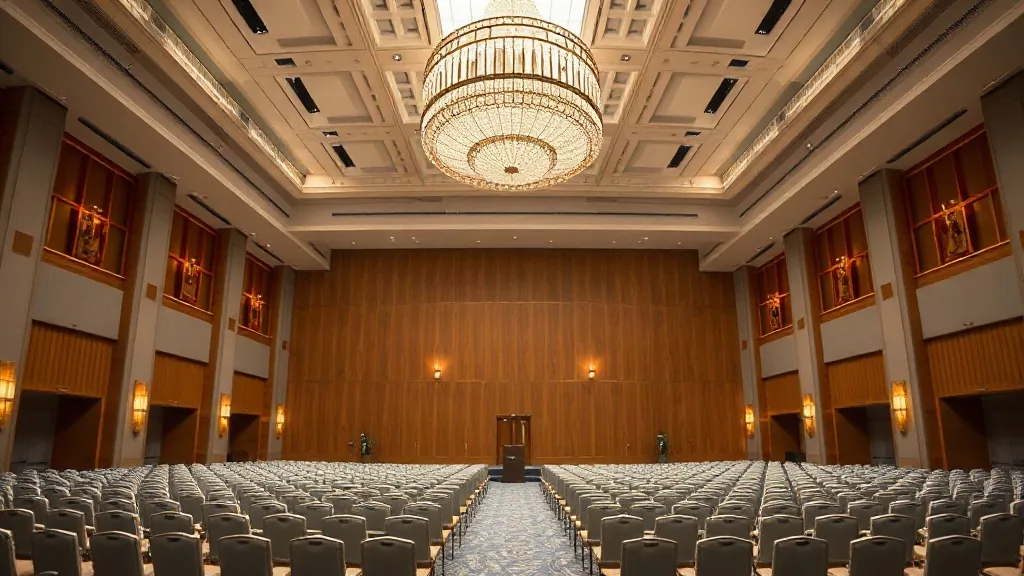
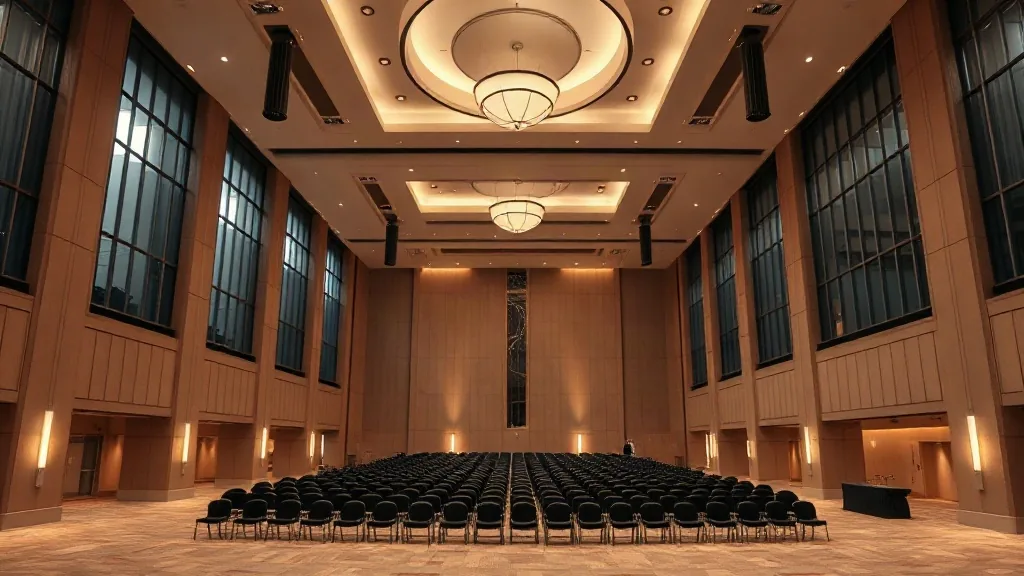
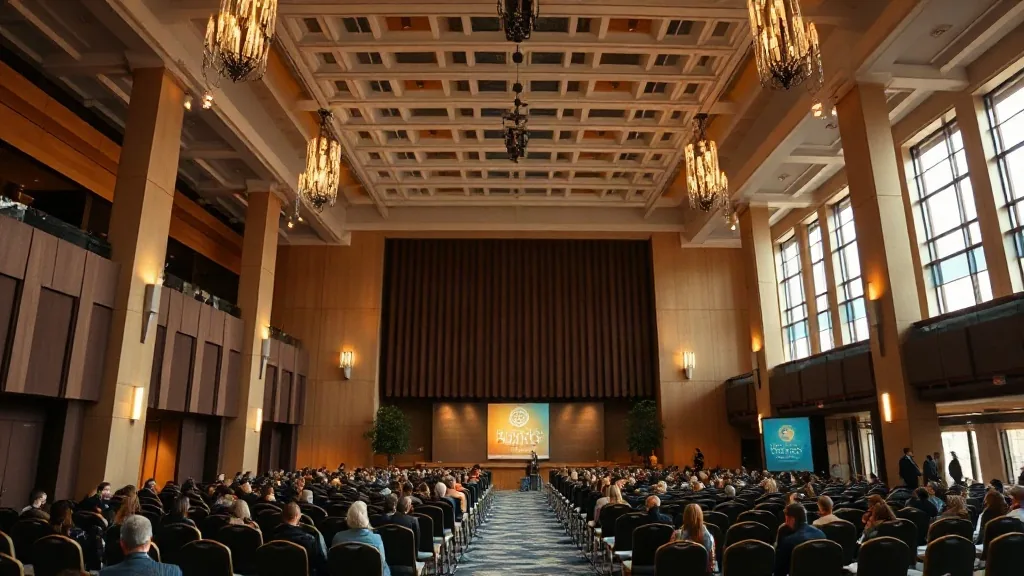
I was there for a 220-person product training that ran 9am to 4pm. Same room. By 1:15pm the meter was sitting at 1,640. That’s a lunch problem, three people told me. It wasn’t. Lunch was fine.
What I assumed for eight years and why I started carrying a meter
I came out of AV integration, where I spent eight years thinking about sightlines, throw distances, and whether the 20-amp circuit behind the screen would hold a projector plus a laptop cart. Air was not my department. Air was the building’s problem, or nobody’s problem, and I had a mental model that a hotel with a mechanical room and a maintenance guy had it handled. Trust the building. That’s what I did for eight years.
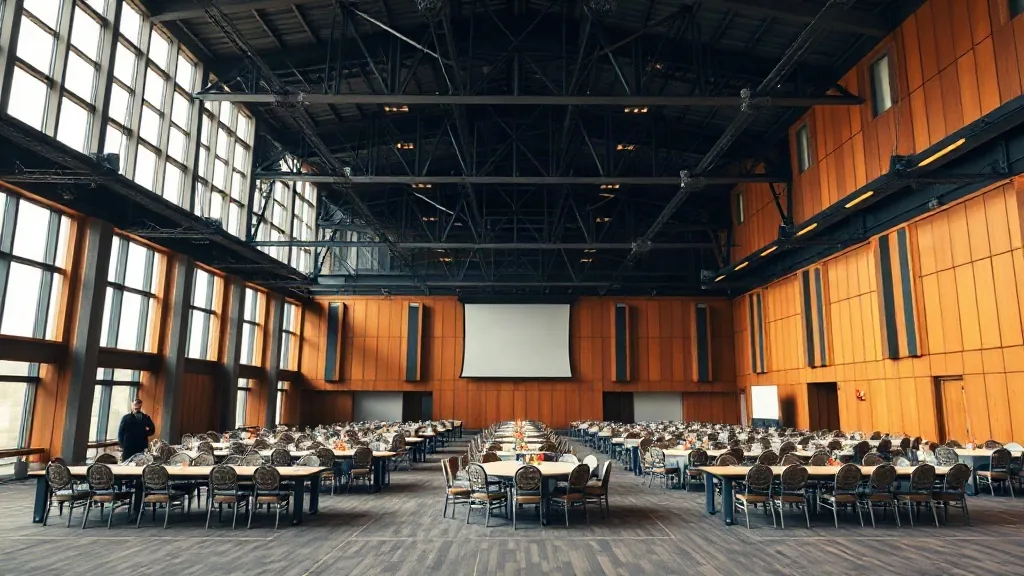
What made me look closer was a two-day offsite in 2023 where the afternoon sessions died every single day. Same speaker slots in the morning, animated. Same people after lunch, glassy. The client, a VP of sales who’d paid somewhere north of $40,000 all-in for the event, told me her people were “tired from travel.” I nodded and moved the coffee break. The coffee break did not fix it, and I quietly ate that for a year.
Then a friend who runs building commissioning for a school district handed me an $80 meter and said, “take readings at your next site visit, you’ll call me.” He was right. The first room I tested showed 1,200 ppm at 2pm with 180 people seated. I’d blamed the agenda. It was the damper.
Planners book rooms on capacity charts, and I do too. But capacity charts tell you how many chairs fit, not how many people the ventilation system can actually serve. Those are two different numbers. The room that fits 300 doesn’t necessarily breathe for 300. Conference centers are the same math.
How the numbers climb and what the room feels like at each stage
Here’s the mechanical picture. Carbon dioxide is a proxy for exhaled air. Every person in the room is a slow-release CO2 source. A room at 420 to 480 ppm with doors open is breathing fine, that’s essentially outdoor air. Once you seat 300 people in a closed room and the fresh-air damper stays mostly shut, the concentration climbs. Fast. I’ve watched it, meter in hand on a break, go from 780 at 9:20am to 1,140 by 10:45 and hit 1,640 by 1:15pm.
The dangerous part is nobody in the room feels the climb until it’s a real problem. Cognitive performance falls before anyone says “it’s stuffy.” My clients who’ve had their facilities people test it tell me the same: performance degrades somewhere in the 1,000 to 1,500 range for tasks that need attention and working memory. By the time the audience notices the headache, you’re running the room already compromised. The glazed, slack-jawed look doesn’t scream “CO2,” it screams “boring speaker,” and the speaker takes the blame. That’s not fair to the speaker and it costs you the back half of your day.
Here’s the thing the meter shows that nobody expects: a room can drop from 1,600 to 900 in about 12 to 15 minutes after the damper opens or the doors get propped. That’s when the cognitive hit lifts. You can feel it. So the problem takes hours to build and minutes to clear, which is why it is worth asking for.
The bigger insight for planners: if the room has a demand-controlled ventilation sensor, it should react. Demand-controlled ventilation means the air handling system has a CO2 sensor telling it “send more fresh air.” If it’s tuned at 1,000 or 1,200 ppm, the damper should be opening automatically. The room should catch up. If it’s not catching up, either the sensor is set high, it’s mounted wrong, or it’s not there.
What the afternoon costs when nobody’s checking
I’ve had a client who budgeted $95,000 for a two-day leadership summit (venue, food, travel, speaker fees) and watched the level readings spike from the 700s to the 1,700s by 3pm each day. The direct cost of a room that fills with bad air is hard to isolate by line item, but the impact on your booked spend isn’t. Half the budget is your program and talent. If energy flags for 90 minutes after lunch each day, you’re bleeding concentration you paid for.
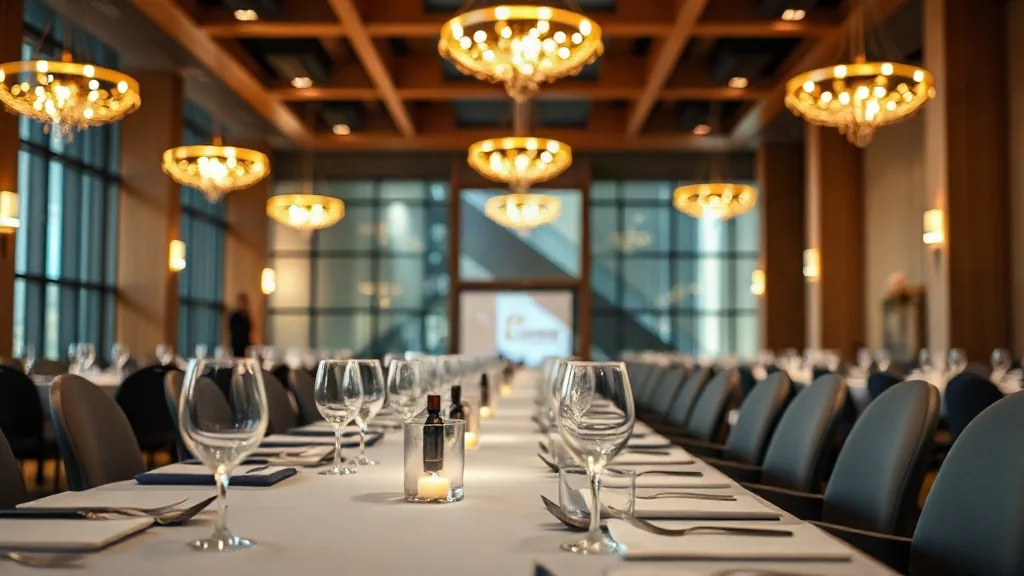
There’s another angle to this: the venue relationship. If you’re reporting a problem without the data, you’re the difficult planner. If you can say “the air handler has a setpoint at 1,500 ppm and we’ve logged actual readings above 1,600 at 2pm with 260 seats in the room,” that’s not a complaint. That’s a work order. Knowing the number changes the conversation, and sometimes the venue’s maintenance team fixes it in fifteen minutes because they can override the schedule on the spot.
Nobody’s fault, by the way. The building is trying to save energy and is running an office-occupancy setpoint. That setpoint was fine for 30 people. You’ve got 300.
What to run at the site visit and what to settle for afterward
Ask for the site visit itself, then bring a meter. An $80 handheld is about as complicated as a kitchen clock. Arrive 90 minutes before doors open for the first big session, or do a walkthrough the afternoon before if you can. The best way to get one at a fully booked venue is a specific time, a specific reason and a phone call to the right person, not email.
Open the room empty. Reading 1: the carbon dioxide concentration in the center of the room, at head height, written down. Note any outdoor or fresh-air reading the venue gives you; “empty room at 480” is your baseline. Once the room fills, usually within 45 to 60 minutes of doors opening, take reading 2. In a sealed room with a muted fresh-air damper you’ll see it marching. Then, strategically: around the break when the room is full, throw the door wide and time the fall. Readings 3 and 4. It’ll be 15 minutes before the numbers drop noticeably. That’s your proof.
- Does the air handler serving this room have demand-controlled ventilation? If yes, setpoint?
- Where is the sensor? Wall-mounted sensors read occupancy better. Return-duct sensors lag and average, which may hide the full-room load.
- What’s the occupied setpoint, and can the buildign override the schedule for my event dates? Get that in writing before signature, even if it’s just email.
Ask someone who can actually act: not the sales contact but the facility or building engineer. Get the name on the contract. Better still: file the place in your list of conference centers that can answer those quesitons and try the small-market ones first. Testing sites in Largo, Florida or Bella Vista, Arkansas, early in your cycle usually means a person answers the phone.
If the room has no sensor or they can’t change it: work the room three ways. Find a better room in the property, since not all rooms on a property share the same handler. Move your heaviest session (the big sales training or working group) to the mechanical “best” room and break out the plenary into smaller group work. Prop the doors, or set them to stay open 4 inches instead of shut. All of those cost nothing. Manage expectations too: tell the client a mid-afternoon break for 20 minutes is worth more than a fancy happy hour because it clears the air, and they’ll get the point at 4pm.
What’s your headcount, the date, and the room’s dimensions, or just tell me what you’ve got and where? I’ll tell you what to test first. Or if you’re picking between options, look at the venue list at conference centers.
Give me the room layout and the date. You’ll get back three questions worth asking the building engineer before you sign.