
Cannabis-industry corporate events and the venue insurance problem
Cannabis operators get told yes on the phone and no in the contract. The block is almost always the venue's insurance, not the venue. Here is where the coverage breaks and how I get a signed date anyway.
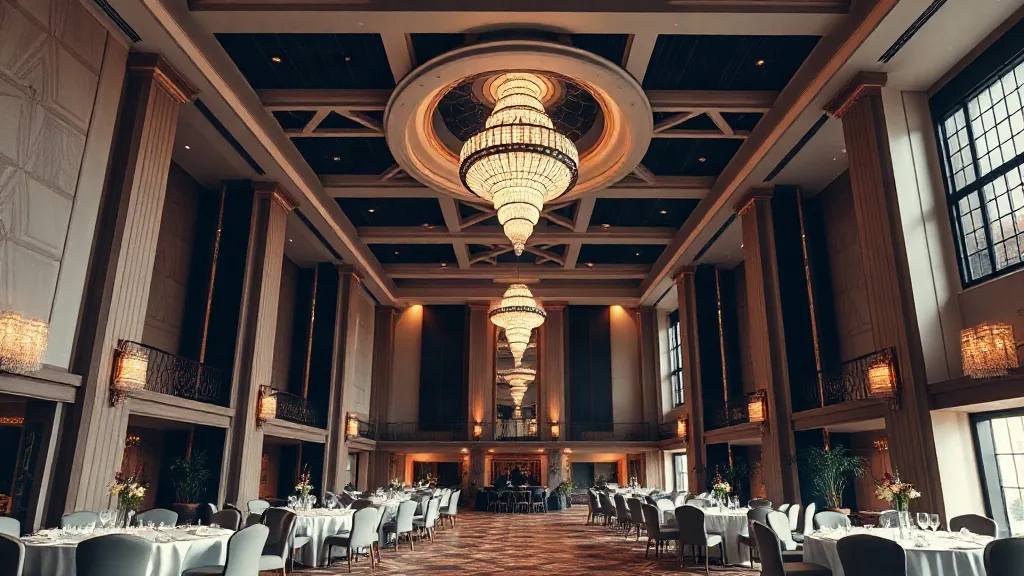
The line that killed my first cannabis booking was 14 words long. “Licensee’s activities shall comply with all federal law throughout the term of this agreement.” That was in a hotel banquet contract for a 180-person distributor mixer in Oakland. Cannabis is legal in California and federally illegal, so that one sentence made the whole event a breach the moment anyone lit anything. The sales manager had already sent a deposit invoice. Legal pulled it back in a day.
I book a lot of these now. Product launches for licensed brands, distributor appreciation nights, budtender education sessions, investor dinners for MSOs. The venue almost never says no because it dislikes the client. It says no because its Commercial General Liability policy has a controlled-substance exclusion, and its carrier will void coverage for a claim tied to an event where cannabis was consumed on premises. The venue isn’t being difficult. It’s protecting a policy that costs it real money.
The three coverage gaps that actually block you
I’ve learned to ask about three specific things before I fall in love with a room.
First, the venue’s CGL exclusion. Most standard policies written on ISO forms carry a Schedule of controlled-substance or “illegal under federal law” language. If consumption happens at the event, a slip-and-fall or an over-service claim can be denied. The venue’s risk manager knows this even when the sales team doesn’t.
Second, liquor liability. If you’re serving alcohol alongside any cannabis consumption, the host-liquor endorsement most venues carry gets shaky when it intersects with an impairment claim. I’ve had two venues that were fine with cannabis alone and hard no once I added a bar.
Third, the landlord and mortgage layer. A leased venue often has a clause in its own lease barring federally illegal activity, plus a lender covenant. The sales manager can want your business and still be unable to sign, because the building owner controls the answer.
What “consumption” versus “non-consumption” changes
The single biggest variable is whether product is consumed on site. A non-consumption event, an awards dinner for a cannabis brand where nobody uses product in the room, is a normal corporate booking. I’ve put those in historic mansions and hotel ballrooms with zero friction, because the venue is renting to a company, not hosting consumption. The brand name on the banner doesn’t trigger the exclusion. Consumption does.
So the first question I ask the client is blunt. Do people need to consume in the room, or do you just need the room. For an investor dinner or a distributor appreciation night, the answer is usually no. That answer unlocks 90 percent of the market. For a budtender education session or a product-sampling activation, consumption is the point, and now I’m shopping a much smaller list.
Where consumption events actually go
When the client needs on-site consumption, I stop calling hotels. I go to independent venues that own their building and control their own insurance decisions. Lofts and industrial spaces run by an owner-operator can buy a special-event policy that names cannabis, because the owner isn’t answering to a national brand’s risk desk. Same with some private event venues that already host 21-plus programming.
The tool that makes it work is a Cannabis Special Event policy, written by a surplus-lines carrier that underwrites this class on purpose. I’ve seen these run $1,800 to $4,500 for a single 150-to-300-person event, depending on consumption method and whether alcohol is present. The client pays it. It names the venue as additional insured, and it covers the exact exposure the venue’s own CGL excludes. When I bring that policy to the table first, the conversation changes from “we can’t” to “send us the certificate.”
The certificate-of-insurance sequence I run
Here’s the order that gets a signature, built from booking maybe 30 of these.
- Confirm consumption or non-consumption in writing with the client before I contact a single venue. This decides everything downstream.
- If consumption, get a quote from a cannabis-specialist broker before I approach the venue, so I can lead with coverage instead of asking the venue to solve it.
- Ask the venue three questions in the first email: does your CGL exclude controlled substances, does your lease or lender bar federally illegal activity, and will you accept a special-event policy naming you as additional insured.
- Send the sample certificate, showing $1M per occurrence and $2M aggregate, plus liquor liability if there’s a bar, plus the additional-insured endorsement.
- Strike or amend the federal-compliance clause. I replace “comply with all federal law” with “comply with all applicable state and local law,” and I let their counsel accept or counter.
That fourth step is the one that turns a nervous sales manager into an advocate. They take the certificate to their risk person and it answers the question before it’s asked.
Budget the exposure like a real line item
A cannabis event carries costs a normal corporate event doesn’t, and I put them in the estimate up front so nobody’s surprised. The special-event policy is $1,800 to $4,500. Licensed on-site security for a consumption event runs $45 to $65 per guard-hour, and I staff one guard per 75 guests minimum. If the event involves sampling, you may need a licensed cannabis events organizer or a temporary event license in states like California, which carries its own fee and a 60-day-plus lead time with the state agency.
Add those to the venue rental and F&B and the all-in number is real. A 200-person consumption event I did last year came to about $52,000 all-in, of which roughly $6,200 was insurance and licensed security that a non-cannabis event of the same size wouldn’t have carried. The client knew that number in week one, so it never became a fight.
The mistake I see brands make
The mistake is booking the room first and solving insurance later. By the time the venue’s carrier flags the exclusion, you’ve lost your deposit timeline and you’re re-shopping venues three weeks out. Do it backwards. Nail the consumption decision, get the coverage quote, then bring both to the venue as a package. A brewery or distillery taproom with an owner who already runs 21-plus events is often a faster yes than a hotel, because the decision-maker and the policyholder are the same person.
I also tell clients to read their own vendor certificates. If a mobile bar or a caterer shows up without cannabis-aware coverage, the venue’s additional-insured protection has a hole in it, and one uncovered vendor can unravel the whole risk stack.
Tell me the format and I’ll tell you the market. Is this a consumption event or a company renting a room, how many people, and is there a bar? Those three answers decide whether you have 40 venues to choose from or four, and I’d rather find that out in week one than in the contract redline.


