Carbon math for a three-hundred-person conference, honestly done
A 300-person conference in Orlando carries a 3.2-tonne carbon cost, but the real lever is travel, not the venue.
I quoted a client a 3.2 tonne carbon footprint for their 300-person annual sales meeting in Orlando last spring, and the finance director nearly fell out of his chair. He thought that number was huge, and I thought it was low, and we were both partly right. That gap is the whole problem with sustainability conversations in this industry. We talk about footprints like they’re simple math, when the real work is deciding what to count and what not to count, then showing the client where the lever actually sits. The honest answer is usually travel, not the conference center, and it changes where you spend your budget.
What I actually count, and what I leave out
The first thing I tell a client is that my number is not their official ESG report. For conference planning, I work with what I call the easy ninety percent: attendee travel, hotel room nights, venue energy for the meeting days, and food and beverage. I leave out staff commutes, the production company’s warehouse lighting, and the embodied carbon in the AV equipment, because measuring those things for a one-off event is guesswork dressed up as precision.
Figure 1.6 tonnes of CO2e per person for a round-trip transatlantic flight in economy, and roughly 0.15 tonnes per person for a four-day meeting with accommodation and meals once they’re on the ground. That puts a 300-person event with half the audience flying from Europe at a ground count of around 45 tonnes for hotels and food, and a flight count over ten times higher at close to 290 tonnes. I should flag that flight emission factors are a swamp of competing methodologies, and some report the full warming impact while others only count the CO2, so your number can swing by a factor of two depending on the source you trust.
What you do not hear me saying is the word “carbon neutral.” Most of my pharmaceutical clients cap dinner between $75 and $125 a head under transparency rules, and those same teams balk at sustainability claims they cannot substantiate. So I plan for reduction, not neutralization, and let the marketing department carry the story from there. Whatever your specific rules are, and they do vary by firm and by year, confirm the fine print with your own compliance or legal team before you put a claim in writing.
Where the venue actually shows up in the math
Venue choice matters, but less than attendees assume, unless the location forces longer flights. Picking a venue in Nevada versus a conference center in Chester, Pennsylvania shifts the ground energy profile, but the flight pattern dominates. A 300-person meeting where two thirds fly is a travel problem with a venue attached, full stop. If your audience is already regional, though, the venue becomes the headline number, and then you care a lot about the power source and the hotel’s heating system.
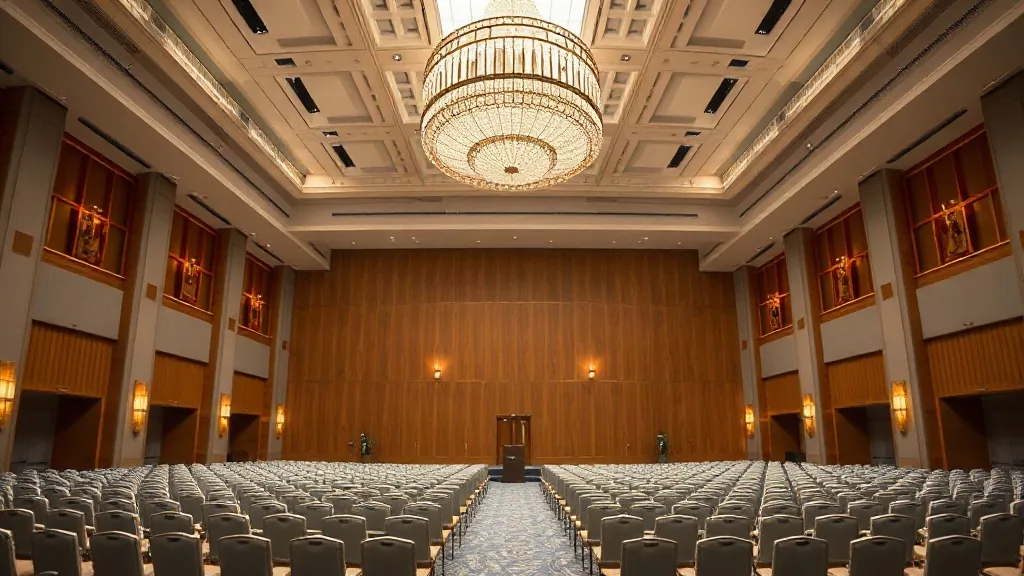
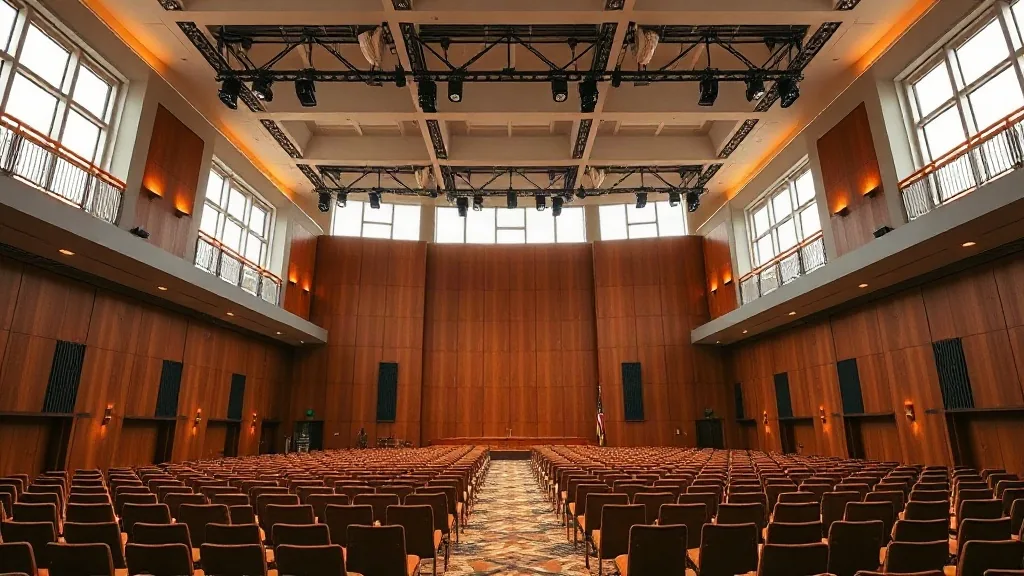
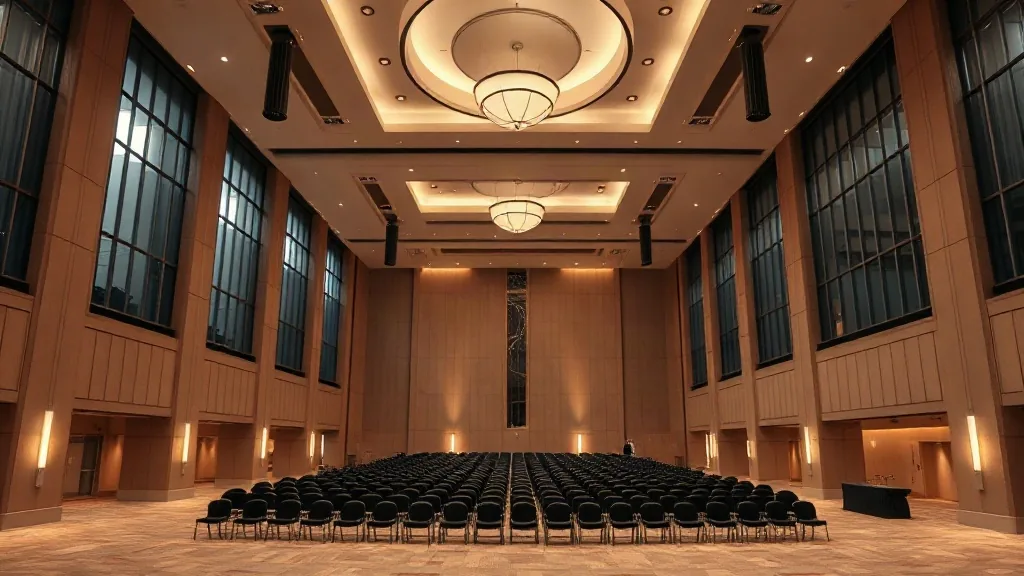
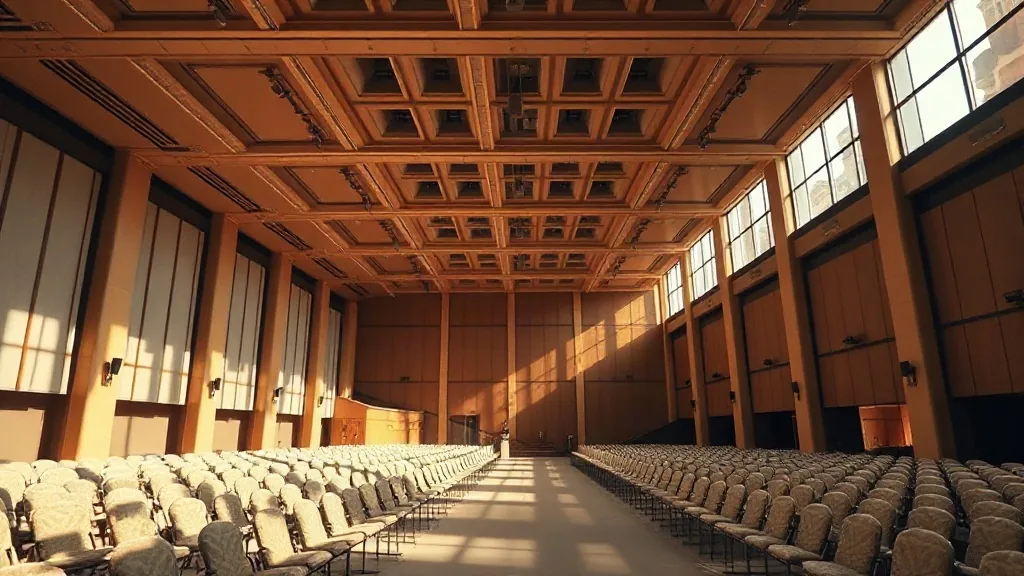
I look for meeting rooms with good natural light and a layout that keeps people moving between sessions close together, but I also check the boring stuff. Is the HVAC on a schedule that matches my agenda? The worst energy waste I see is not profligate AV, and it is not attendees leaving lights on. It’s a venue running a 40,000 square foot exhibit hall at full climate control for six hours of teardown. Ask your venue contact about their setback policy for load-in and load-out days, and get the energy curve for the actual days in your contract, not a vague green promise.
For a regional audience, I tell clients to filter my venue directory by drive distance before anything else. The energy cost of a 200-mile drive in a sedan is roughly the same as a short economy flight for a single passenger, which surprises people. Someone driving a gas SUV alone is doing worse per mile than a full commercial flight, so if your attendance is split between drivers and flyers, the math flips again. That’s why I keep separate lists for conference centers in Nevada that draw a Vegas audience flying in from everywhere, and a set of options for a company whose whole team lives within a 150-mile radius of Philadelphia, who might barely fly at all.
Food waste is the lever nobody is pulling
Hotel energy and attendee travel get the attention, but the food and beverage line is where I have saved clients real money and real emissions. A standard conference banquet for 300 produces close to a tonne of food waste when you count prep trimmings, kitchen overproduction, and what gets scraped off the plates. Catering teams routinely order 10 to 15 percent over the final count because they know planners hate a short buffet, and that overage goes straight in the bin.
My fix is to switch the default on the meal count. Contract for the firm headcount, not the expected no-show rate, and then add a clause that the venue provides a hot buffet action station that can stretch an extra 20 covers on short notice. The action station food is portioned to order rather than laid out for self-service, which cuts plate waste. I have had to explain this to venue sales managers a few times, but the ones who get it know their kitchen loses money on waste too, and they will usually negotiate on the F&B minimum if you show you are not padding the count to hit it.
Only slightly smaller than plate waste is the beverage side. An open bar with premium liquor for eight hours drives drinking, and it drives waste when bartenders pre-pour wine at tables. I moved my clients to a consumption-based bar tab with a hard cap and a hosted house wine and beer option, which cut beverage cost by a quarter of the old package price. That saved the client around $12,000 on a conference that size, and the visible reduction in half-empty glasses was immediate.
What a realistic reduction plan looks like in dollars
Here is what I put in front of a client who asks for a sustainability plan: a budget column next to every emission line. Travel reductions are the only lever with a realistic six-figure swing, and they are also the least pleasant to sell. The client I mentioned earlier, the 300-person Orlando meeting, was told by me to move half the remote attendees to a video hub in their regional offices and fly only the presenters, which cut the footprint by 40 percent and saved around $180,000 in flight and hotel costs. They did not want to hear it, but they did it, and the recording from the meeting got more views than the live session.
On the ground, money follows the energy and waste lines, not the swag budget. Switching to a paperless name badge system with a QR code costs the same as lanyards with printed badges, which is around $2,400 for a run of that size. Replacing single-use plastic giveaway bottles with refillable stations at the conference center in Anaheim, California ran me $800 in water infrastructure and saved the client roughly $3,100 in bottled water costs across three days. None of those lines get used in a branding video, but they hold up in a budget review.
The venue contract is where I lock the behavior in, not the emissions language. I ask for a right to audit the venue’s energy bills for the event days, with a cap on my liability if they misinterpret what I ask for. I negotiate a clause that the venue must run my chosen sessions with their highest-efficiency HVAC mode, and I put a hard deadline on teardown so we are not paying for an empty hall. One post-event debrief process I keep in my arsenal includes a line for what the venue actually did versus what the brochure promised, and that paper trail has won me more concessions in the next negotiation than any sustainability certification has.
Now send me a note with your headcount, your date range, and which market you are weighing. I will run the mile math on your audience and send back a number that survives a finance director’s stare down.