
Cost-recovery through sponsorship without cheapening your event
Sponsorship can offset a five-figure chunk of your event cost without turning the room into a trade show. The trick is selling access and moments, not logo placement. Here is how I structure tiers that recover cost and keep the event dignified.
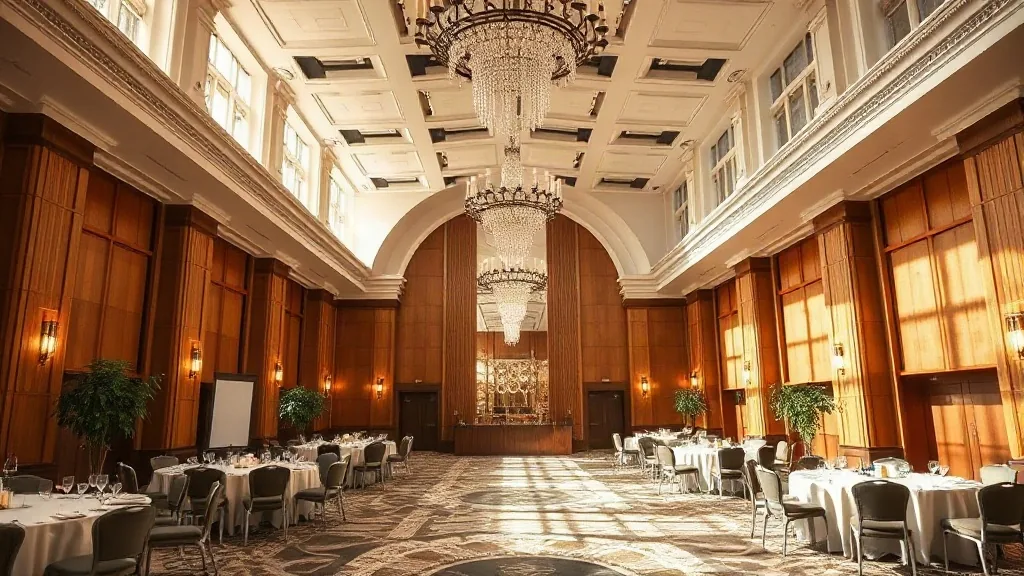
I recovered $62,000 of a $180,000 convening budget through sponsorship two years ago, and not one attendee walked away feeling like they had wandered into a trade show. The room stayed dignified. The sponsors were happy enough to renew for the next year at a higher tier. The difference between that outcome and the pipe-and-drape logo forest most people picture when they hear “sponsorship” comes down to one decision: I sold access and moments, not banner space. Here is how that works when the event has to stay serious.
Why logo sponsorship cheapens the room
The reason association and policy convenings resist sponsorship is that they have all seen it done badly. A step-and-repeat crowded with 14 logos. A tote bag stuffed with flyers nobody reads. A “platinum sponsor” sign taped to a coffee urn. That version of sponsorship reads as clutter because it sells the one thing that genuinely cheapens a room, which is visual real estate. When a sponsor’s return is measured in how many logos they can stamp on your event, the event starts to look like it belongs to them, and your attendees feel it.
The fix is to stop selling logos and start selling the two things sponsors actually want and your event can offer without losing its dignity: access to the right people, and ownership of a genuinely good moment.
Sell access, priced by who is in the room
The most valuable thing a serious convening has is the caliber of the room. A sponsor will pay real money for structured access to 200 senior policy leads or 150 healthcare executives, far more than they will pay for a banner. So I build access tiers that create real connection without turning attendees into leads to be harvested.
A sponsored small-group dinner the night before, where the sponsor hosts 12 to 16 attendees around a topic, not a pitch. That runs $15,000 to $25,000 as a tier and the sponsor genuinely values it because a two-hour dinner with 14 decision-makers beats a thousand booth scans. A sponsored roundtable during the program, 45 minutes, sponsor-framed but substantive. A limited number of one-on-one meeting slots with speakers or with a curated set of attendees who opted in. Access is dignified when it is consensual and substantive, and it is where the money is.
Sell moments, not surfaces
The second thing that recovers cost without cheapening is letting a sponsor own a moment that would have cost you money anyway. The welcome reception. The keynote lunch. The closing session. These are line items you were paying for, so having a sponsor underwrite one, tastefully acknowledged, converts a cost into a recovery.
The key is single ownership and restraint. One sponsor owns the reception, acknowledged with a clean “hosted by” line in the program and a few words from the stage, not a logo on every napkin and cocktail. Sole ownership of a good moment feels like generosity. Shared logo clutter on the same moment feels like a sale. A reception a sponsor underwrites for $30,000 might have cost you $34,000 anyway, so the recovery is nearly the whole line, and the room never feels bought.
Structure the tiers so the math works
Here is roughly how I built the $62,000 recovery on that $180,000 convening. One presenting-level access tier, the pre-event dinner plus meeting slots, at $25,000. One moment-ownership tier, the welcome reception, at $22,000. Two supporting tiers at $7,500 each, each owning a smaller moment like the morning coffee session or the closing remarks, tastefully acknowledged. That is $62,000 against a budget of $180,000, recovering just over a third, with four sponsors total. Four, not fourteen. Fewer sponsors, each with a real stake, keeps the room clean and keeps every sponsor feeling like a partner rather than one logo in a crowd.
Price the tiers against the value of the access, not against a generic “gold, silver, bronze” ladder. A dinner with 14 senior leads is worth what those relationships are worth to the sponsor, which for a firm selling six-figure services is easily $25,000. Ladder pricing undersells your best asset.
The in-kind option that offsets before cash ever changes hands
Not all recovery is a check. Some of it is the venue itself. A venue that wants your business in its slower season will underwrite part of the cost in-kind, comped meeting space, a reduced F&B minimum, complimentary AV, in exchange for the prestige of hosting your convening and the future business it signals. That is real recovery that never touches your sponsorship program. Read how to negotiate in-kind sponsorship from a venue before you assume every offset has to come from an outside brand. Sometimes the biggest recovery is a line the venue agrees to eat.
Protect the attendee, always
The line you cannot cross is selling the attendee. Access tiers work only when attendees opt in, when the dinner is genuinely interesting rather than a disguised pitch, and when nobody’s contact information is handed to a sponsor without consent. The moment attendees feel sold, the caliber of your room drops the following year, and the caliber of the room is the entire thing you were selling. Protect it. A sponsorship program that burns your attendees to recover cost this year has destroyed the asset that made recovery possible next year.
And build the whole thing into the budget from the start, not as a scramble to cover an overage. Sponsorship recovery is a planned line in the event budget approval process that works, stated up front so finance approves a net number, not a gross one you hope to backfill. Factor attendance risk in too, because a sponsor who paid for access to 200 people and got 130 will remember it, and the cost of a no-show by band is a real number that affects what you can honestly promise a sponsor.
Where the venue helps the pitch
The venue you choose is part of what you are selling to a sponsor. A dinner in a historic mansion or a reception in a museum gives a sponsor a moment worth owning, a setting attendees remember and talk about, which is worth more to the sponsor than the same dinner in a hotel meeting room. A well-run conference center makes the access tiers cleaner to execute, with breakout rooms for roundtables and dinner space that does not feel like an afterthought. Choose a venue that makes the sponsor’s moment better, and the tier prices itself.
Tell me your total budget and the caliber of the room you are convening, and I will tell you which two or three tiers can recover a third of your cost without a single logo on a coffee urn. What is your budget, and who is actually in the room?


