
The dessert-and-coffee-only reception that saves five figures
A full dinner for 250 can run $30,000 before the bar. A late-evening dessert-and-coffee reception delivers the same networking and prestige for a fraction of it. Here is when the format works, the per-head math, and the mistakes that ruin it.
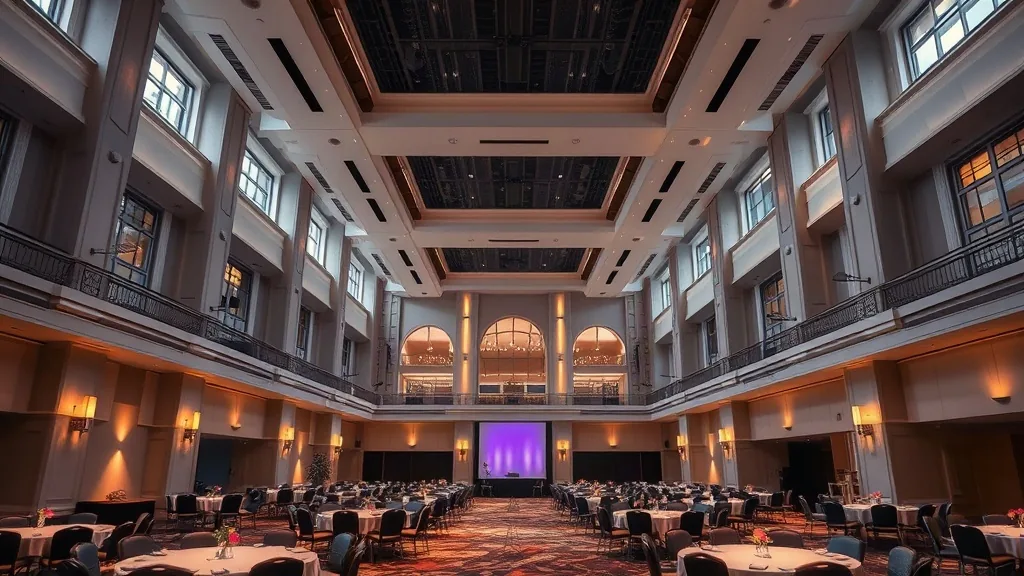
A client wanted a networking evening for 250 partners after a full-day conference, and the hotel quoted a seated dinner at $118 a head plus a $58 open bar. That’s $44,000 before service charge and tax, north of $57,000 all in. The attendees had already eaten lunch and grazed two breaks. They did not need a fourth meal. I proposed a dessert-and-coffee reception instead and brought the food-and-beverage number under $18,000 all in. Same room, same two hours, same networking. The client kept the difference and I kept the client.
The dessert-and-coffee reception is the most underused format in corporate events, and it works because of a simple truth: after a full conference day, people want to talk, not sit down to another three-course meal. Give them a beautiful dessert display, real coffee, and a light beverage option, and you’ve delivered the social outcome the dinner was supposed to buy, at a third of the cost.
The per-head math
A dessert reception for 250 runs $18 to $32 a head depending on how you build it. A stationed display of petit fours, mini pastries, a chocolate-dipped fruit station, and maybe an attended crepe or gelato action station lands around $24 a head. That’s $6,000 in food for 250. Add coffee and tea service at $8 a head ($2,000) and a beer-and-wine bar on consumption (say $9 a head actual, $2,250), and you’re at roughly $10,250 in F&B. Service charge at 24 percent and 8 percent tax push it to about $13,500.
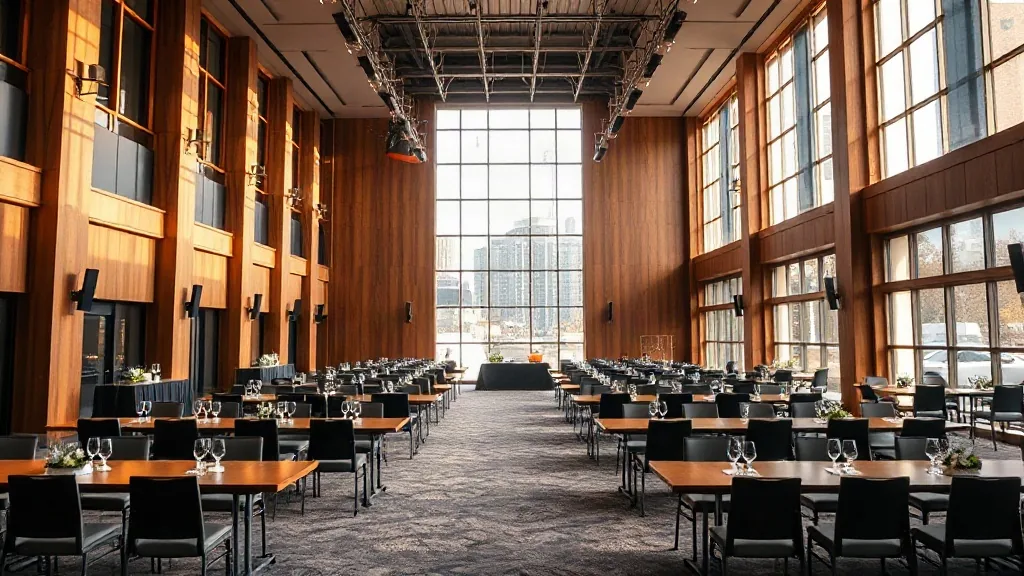
Against a $57,000 seated dinner, that’s a five-figure saving on one event line. The prestige doesn’t drop, because a well-styled dessert display photographs better than a plated entree and reads as generous. Abundance on a dessert table is cheap. Abundance on an entree is not.
When the format works
This format works when three things are true. The audience has already eaten that day, so you’re not their dinner. The event’s real purpose is networking or a short program, not a seated experience. And you have a room that supports standing flow, because a dessert reception is a moving event, not a seated one.
It works especially well as the second event of a two-part evening: a short awards program or keynote in a theater setup, then the room flips or the crowd moves to an adjacent space for the reception. It works as a post-dinner nightcap when dinner happened elsewhere. And it works as a donor or board social where the point is conversation and a dignified close to the evening.
It does not work when the invitation implied dinner and people arrive hungry. If your 6:30 start reads as a dinner hour and you serve only dessert, you’ll have a cranky room by 7:15. The fix is either timing (start at 8 after a dinner break) or clear communication on the invite that this is a dessert-and-coffee reception. Set the expectation and the format lands. Violate it and it backfires.
The room does half the work
Because there’s no seated dinner, the venue can be somewhere a banquet can’t go. A historic mansion that seats only 90 for dinner can host 250 for a flowing dessert reception across multiple rooms, and the architecture does the styling for you. A museum gallery that would never work for a plated meal is perfect for a stand-and-mingle dessert evening, with the exhibits as the entertainment. A restaurant with private dining can host a dessert reception in a space it could never seat for a full dinner of the same headcount.
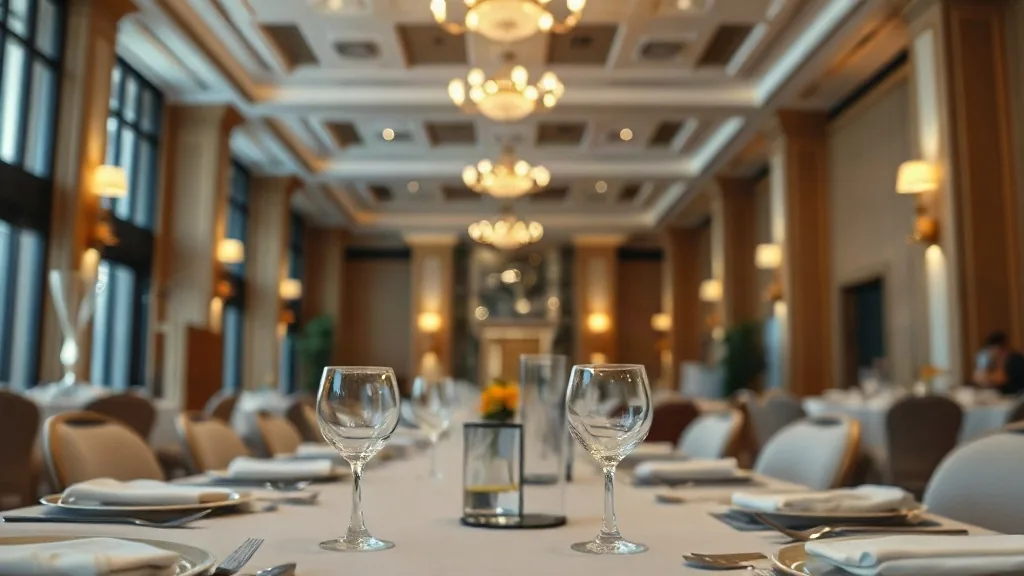
This is the hidden second saving. Dessert-and-coffee formats unlock venues with lower food-and-beverage minimums and more character than the ballroom you’d need for a seated 250. The unique room raises the perceived value while the format lowers the cost, which is the opposite of how event budgets usually work.
The mistakes that ruin it
Three things kill a dessert reception. First, skimping on the coffee. This is a coffee event as much as a dessert event, and gas-station drip in an urn undercuts the whole thing. Spend for a decent coffee program, even a small attended espresso cart at $600 to $900, because it’s the anchor and people remember it.
Second, no seating at all. Standing-only for two hours punishes older guests and anyone in heels. Scatter high-tops and a few lounge groupings so people can perch. You don’t need a seat per guest, you need somewhere to set a plate down, roughly one surface per six to eight people.
Third, running it too long. A dessert reception is a 90-minute to two-hour event. Past that, the energy sags because there’s no dinner service to pace it. Set a clear end, a last-call on coffee, and let it close crisp.
One contract note: watch the food-and-beverage minimum. Because a dessert reception spends less per head, you can undershoot a room’s F&B minimum and owe the shortfall anyway. If a venue’s minimum is $15,000 and your dessert plan spends $10,000, you’ll pay the $5,000 gap as a room charge, which erases part of the saving. Match the format to a venue whose minimum your spend actually clears, or negotiate the minimum down for an off-peak weeknight.
For how the per-head numbers move across service styles, catering cost per head by service style covers the full range. Before you add a top-shelf bar to a dessert reception and undo the saving, read why a premium open bar isn’t worth it. And so the minimum doesn’t ambush you, read what an F&B minimum actually means before you sign.
So here’s my question back to you. Have your people already eaten that day, and is the real goal conversation or a seated experience? If it’s conversation and they’ve eaten, tell me your headcount and I’ll build you a dessert-and-coffee reception that does the job for a third of the dinner price.


