
Customer success summit: rooms for training, not theater
A customer success summit is a training event wearing a summit's name, and theater seating is where hands-on skills go to die. Here's the classroom setup, the breakout math, and the catering rhythm I book so CSMs leave certified instead of just lectured at.
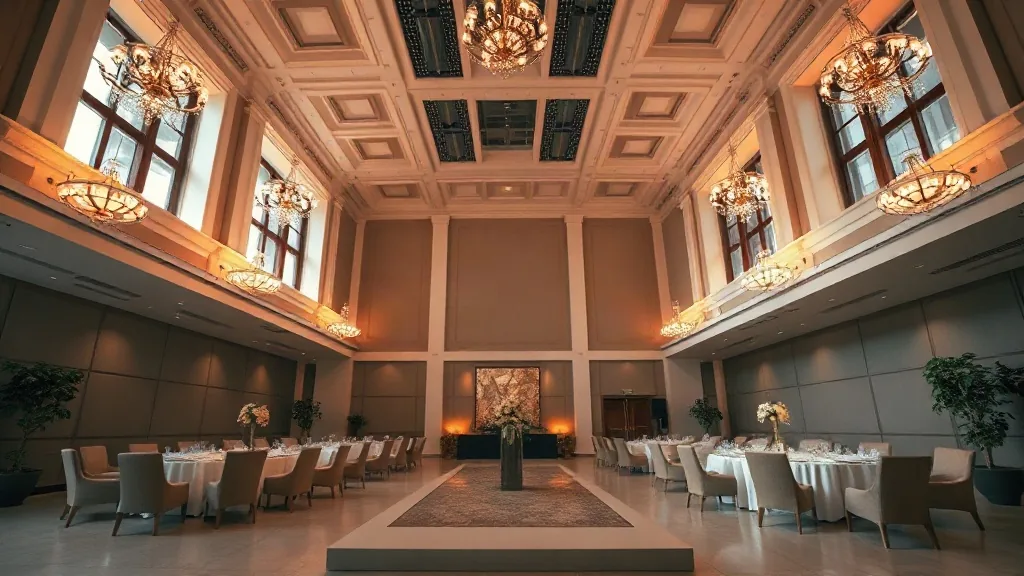
A head of customer success once told me her summit had a real success metric: how many CSMs could pass the product certification by Friday afternoon. Not how inspired they felt. Whether they could actually do the new workflow. That reframed the whole booking for me, because certification means hands on keyboards, not chins in hands, and the room has to support learning that sticks.
I book a fair number of these for healthcare and finance software teams, and the pattern I fight every time is the venue selling me a keynote room for a training event. A customer success summit is training with a nicer name. Book it like a general session and your CSMs spend three days watching slides and retain almost none of it.
Classroom setup, because they need a surface
The single most important choice is the room setup, and for training it’s classroom, not theater. Theater seating, rows of chairs with no tables, is fine for a keynote where people just listen. It’s useless the moment someone has to open a laptop and follow along in the actual product.
Classroom setup means rows of 6-foot or 8-foot tables with two to three people per table, everyone facing front, everyone with a writing and laptop surface. It costs you room capacity: a space that seats 200 theater seats maybe 90 to 100 in classroom, because tables eat floor. I budget for that reality up front so I’m not surprised when the “seats 200” ballroom holds half my group once we set it right.
For the hands-on certification blocks, I go further and set crescent rounds or pods, small clusters where a trainer can circulate. That’s where the learning gets checked, one CSM at a time, and you can’t do it from a stage. If you’re not sure which setup fits which part of the day, theater, classroom, crescent, or pods walks through when each one earns its place.
Breakout math is the real capacity question
A customer success summit isn’t one room all day. It’s a general session for the plenary content, then breakouts for the skill tracks, and the breakout count is where planners under-book.
The rule I use: for hands-on training, cap breakout groups at 20 to 25 people so a single trainer can actually reach everyone. So a 100-person summit running four parallel skill tracks needs four breakout rooms plus the main room, five spaces total, not the two the sales manager quoted before they understood the format.
Each breakout room needs its own screen, its own power, and enough space for classroom or pod seating, so a 25-person breakout wants around 500 to 600 square feet. I count the rooms and the square feet before I sign, because discovering on day one that you’re short a breakout room means running two tracks in one space and losing both.
A conference center is built for this. Multiple right-sized rooms off a central pre-function area, each already wired for a screen and power, and staff who flip a room between sessions without drama. That infrastructure is the whole reason conference centers exist, and it’s why they beat a hotel for a training-heavy program.
The venue’s training DNA matters
Some venues run training all the time and some never do. You can tell in the site visit by what they show you first.
A university rental is an underrated pick here, because a campus is a purpose-built training environment. Real classrooms with tiered seating and writing surfaces, breakout rooms down the hall, projection and power already installed because students use them daily, and often a price well under a downtown hotel. I’ve run a three-day CSM certification in a business-school building for less than half the hotel quote, and the rooms were built for exactly this. If you’re weighing a campus against a purpose-built meeting space, university venue vs conference center for a training program lays out the tradeoffs I walk clients through.
A hotel or resort works when the group needs overnight rooms and a bit of polish, but I pick the property for its meeting space and its ability to set true classroom, not for its lobby. I ask to see the breakout rooms during the site visit, not just the ballroom, because the breakouts are where the certification actually happens.
Catering rhythm for a learning day
Here’s where my F&B habit shows up. Training is cognitively heavy, and the catering either supports retention or sabotages it. A brain full of a new product workflow needs steady fuel and hydration, not a single heavy meal that induces an afternoon crash.
I break the day for real breaks. A mid-morning refresh around 10:15 with coffee and protein-forward snacks, a working lunch that skips the heavy carbs, and an afternoon break at 2:30 that’s the difference between an engaged 3pm session and a room full of glazed eyes. The all-day beverage package, at $20 to $28 per head, keeps the coffee and water flowing, and for a training event that’s not a luxury, it’s a retention tool.
Lunch I keep lighter and faster than a networking event would, because the afternoon has certification blocks and I need people sharp. Grilled proteins, salads, a warm option, and I move any dessert to the afternoon break so it doesn’t add to the post-lunch slump. This lunch runs $30 to $45 per head at most conference centers and it earns its place by keeping the room awake.
I also watch the room’s AV per breakout, because a training session where the projector washes out in daylight is a session where the back rows can’t read the product screen. Each breakout needs a display bright enough for a lit room, or blackout control on the windows, and a way for the trainer to hand the screen to a CSM doing a live walkthrough. That handoff is the whole point of hands-on training, and a room where only the trainer’s laptop reaches the screen kills it.
The metric that should drive the booking
Book backward from the success metric. If the goal is CSMs certified by Friday, then the room setup, the breakout count, and the catering rhythm all serve retention, and the polish is secondary. A summit that inspires everyone and certifies no one failed at the thing it was for.
For a training-first customer success summit, my order is university rental, then conference center, then hotel. A university rental gives you real classrooms at a real value. A conference center gives you the breakout infrastructure and the room-flip support. A hotel or resort rounds it out when overnight logistics and a touch of hospitality matter more than raw training fit.
What’s your headcount and how many skill tracks are you running in parallel? Tell me those two numbers and I’ll tell you how many breakout rooms to book and the square footage each one needs for hands-on work.


