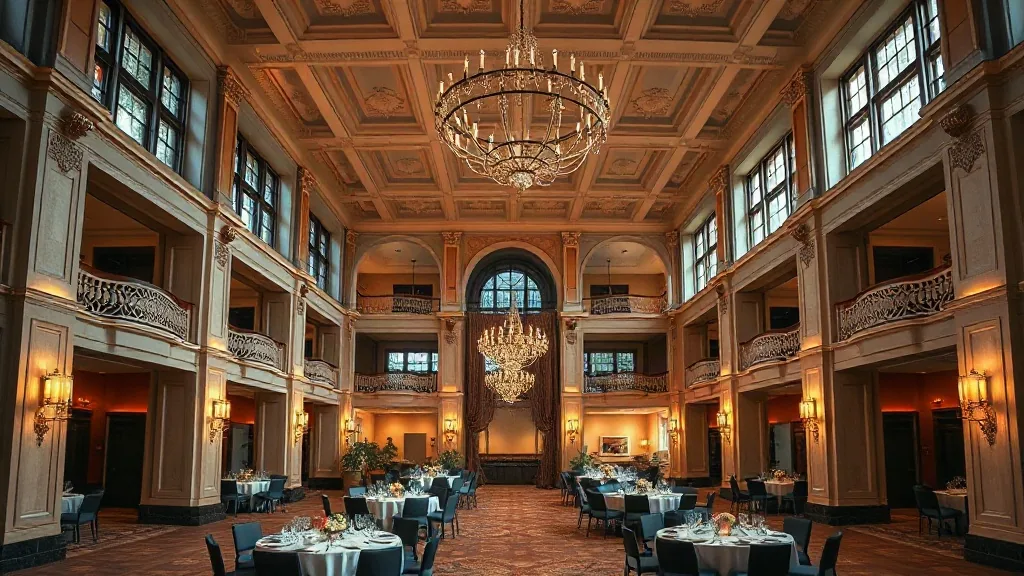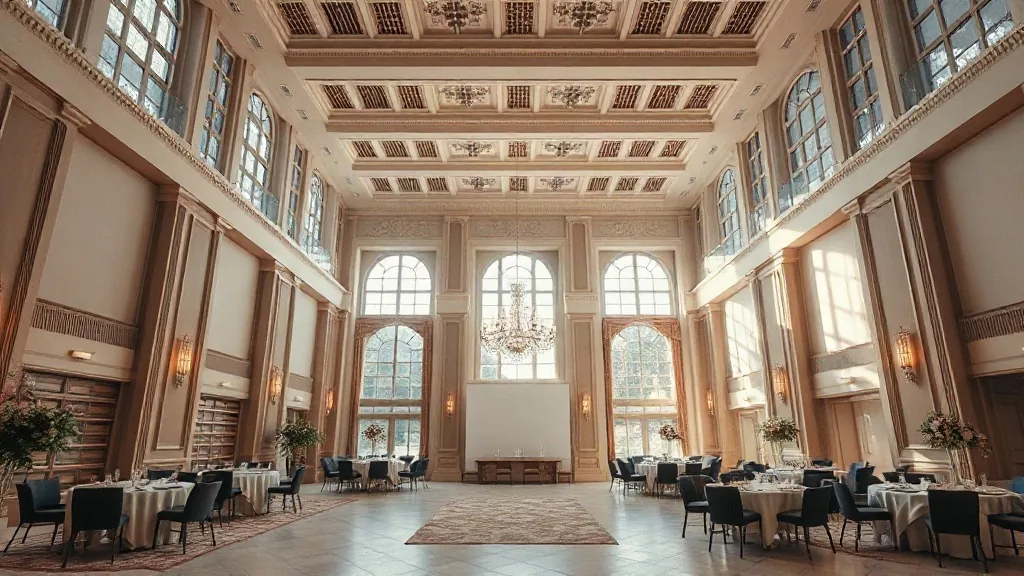
University Venue vs Conference Center for a Multi-Day Training Program
University spaces offer subsidized rates but have academic-calendar blackouts and AV limitations that purpose-built conference centers resolve. Specific cost and restriction tradeoffs.

The university rate looks remarkable on the first call. $95 per person per day versus $285 at the conference center across town. Then you find out the space is unavailable from August 20 through September 15 (fall semester orientation), the AV is managed by the university’s IT department which charges $200 per room per day for support, and the catering contract goes through the university’s food service provider at rates that haven’t been competitive since 2019.
University venues are genuinely good for some training programs. They’re the wrong choice for others. Here’s the full comparison.
What University Spaces Actually Include
University event spaces fall into three categories, and the pricing and quality vary substantially across all three.
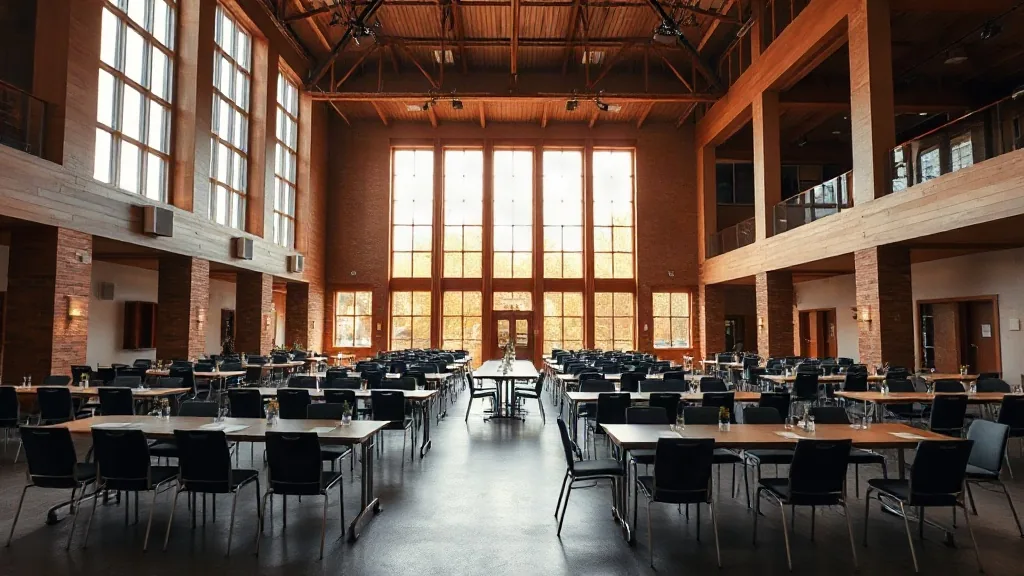
Conference and executive education centers operated by the university’s business school or continuing education division are the most professional category. They’re built for corporate training and have day-conference rates ($120-$200 per person) that include meeting rooms, AV basics, and catering through the university’s food service. These are the closest to a commercial conference center and have the fewest operational surprises.
General university event spaces (student union ballrooms, faculty clubs, campus auditoriums) are the second category. They’re less expensive ($60-$110 per person) and have variable AV infrastructure ranging from excellent (recently renovated auditoriums) to inadequate (meeting rooms with a ceiling-mounted projector from 2012). Catering is through the university food service, which has improved at most major universities but still runs behind commercial caterers on menu flexibility.
Academic building classrooms and lecture halls are the third category, rented by some universities for corporate training. The cost is lowest here ($40-$75 per person per day) and the limitations are most significant: fixed seating, poor acoustics for small groups, no dedicated catering access, and significant blackout periods around class schedules.
Blackout Periods: the Calendar Problem
University venues have academic calendar constraints that don’t exist at commercial conference centers. The most significant:
- Fall semester orientation: typically the last 2 weeks of August and first week of September. Many university spaces are entirely unavailable or operating in degraded mode.
- Finals periods: last 2 weeks of November and late April through early May. Parking is worse, the campus is more chaotic, and the service staff is reduced.
- Homecoming weekend: one weekend in October or November where university event spaces are prioritized for university events.
- Summer: some universities have robust summer conference programs; others reduce their event staff significantly from June through August.
A purpose-built conference center has no equivalent calendar constraints. It’s available 365 days a year except for its own maintenance windows, which it communicates on a known schedule.
AV Comparison
| AV Capability | University Executive Ed Center | University General Space | Commercial Conference Center |
|---|---|---|---|
| In-room video conferencing endpoint | Sometimes (newer facilities) | Rarely | Standard |
| Screen resolution for presentations | 1080p (most newer spaces) | 720p or lower (older) | 1080p-4K |
| Audio for 50-person room | Adequate | Variable | Standard |
| AV support response time | 30-60 min (IT department queue) | 30-90 min | 5-15 min (dedicated events AV) |
| Rigging points for suspended displays | No | No | Standard in most |
| Recording capability | Sometimes | Rarely | Standard |
The AV support response time is the most dangerous item in this table. At a commercial conference center, if your projector fails during a training session, an AV technician is in the building and responds in under 15 minutes. At a university space, the IT department handles classroom AV as one of 40 priorities on a given day. A 60-minute AV failure during a multi-day training program is a real outcome at a university venue in a way it rarely is at a commercial conference center.
Cost Comparison for a 3-Day Training Program, 40 People
| Line Item | University Executive Ed Center | Commercial Conference Center |
|---|---|---|
| Day rate per person | $95-$145 | $245-$320 |
| 3 days, 40 people | $11,400-$17,400 | $29,400-$38,400 |
| AV support upgrades (if needed) | $600-$1,800 | $0-$1,200 |
| External catering supplement (if food quality is inadequate) | $0-$2,400 | $0 |
| Parking for commuters | $5-$12/day x 40 x 3 = $600-$1,440 | $8-$18/day x 40 x 3 = $960-$2,160 |
| Total | $12,600-$21,240 | $30,360-$41,760 |
The university saves $17,000-$20,000 for the same scope. That’s a meaningful difference for an organization with a tight training budget.
When University Venues Work
Nonprofit and association training programs where the audience is affiliated with universities (academic medical centers, educational associations, research-focused government agencies). These audiences are comfortable with university settings and find the institutional environment appropriate.
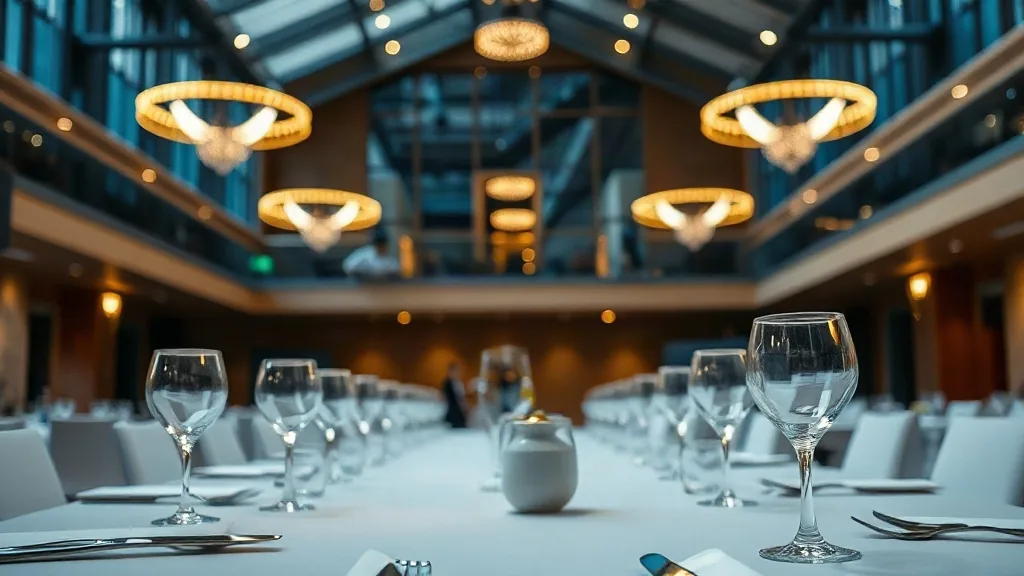
Programs where the academic affiliation adds credibility. A leadership development program at a university’s business school’s executive education center benefits from the school’s name. The Wharton Executive Education Center is not just a venue; it’s a credibility signal.
Programs that run in the university’s strong seasons: October, November, March, and early April at most universities are the best times to book. You get good parking, functional staff, and a campus that’s alive but not overwhelmed.
When Commercial Conference Centers Win
Any program with complex AV requirements (video conferencing with remote participants, recording, multi-room setups). The university’s IT-managed AV cannot match the conference center’s dedicated events AV team.
Programs where dates are non-negotiable and fall in August-September or late April. The university calendar blackout is not negotiable; the conference center’s is.
Programs for corporate clients who will evaluate the venue against their expectations for a corporate training setting. A university cafeteria-style catering service for a three-day corporate training program creates a perception mismatch that affects participant satisfaction ratings.
The Participant Perception Factor
There’s a registration and participant satisfaction dimension that most training program planners don’t quantify. Participants who arrive at a commercial conference center see a space that signals professional development. The lobby is designed for business travelers and meeting attendees. The service staff is wearing uniforms that signal hospitality. The coffee station is stocked and staffed by someone whose entire job is to make sure the coffee is hot.
Participants who arrive at a university student union or academic building see a space that signals academia. The lobby is designed for students. The service staff may be work-study students. The coffee station is a kiosk that opens at 8am and runs out of half-and-half by 9:30am.
For a corporate training program delivered to experienced professionals, the university’s physical environment can undercut the professionalism of the content. Participants spend 8 hours in a space that feels like it was designed for someone 20 years younger, which affects their openness to the training itself.
This is anecdotal but real. I’ve run identical training curricula at both venue types and seen the university cohort score the program 12-15% lower on post-training satisfaction surveys. The most common write-in complaint: “the facilities weren’t appropriate for a professional development program.” The content was the same. The venue was the variable.
Browse university venue rentals in your target city to compare the specific facilities. For the AV scope questions that distinguish these venues, see how to scope AV for a conference and how to brief an AV vendor.
What’s your training program date and does it fall in an academic blackout period? That single question may resolve the comparison before you compare costs.