Flying a distributed team in: travel budget versus venue budget
Flying a distributed team in: trim the venue budget, not the travel budget.
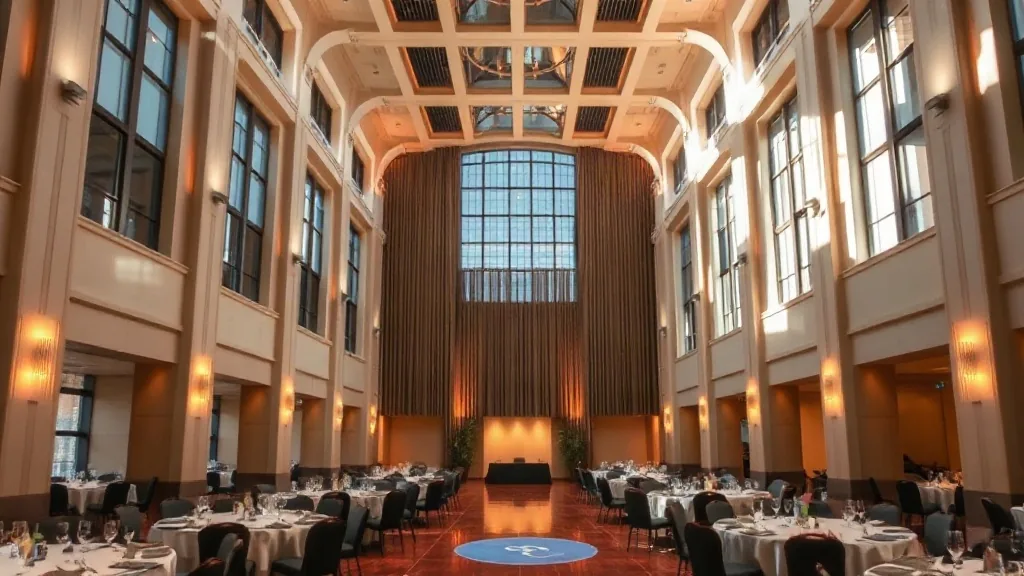
I’ve booked a 120-person finance offsite for a Miami client where the airfare line item came in $38,000 over the original estimate, and I still pulled the whole thing off within their total budget. The trick wasn’t finding cheaper flights. It was moving the venue goalposts.
Start with the total cost of the room, not the room rate
A hotel ballroom that quotes you $4,000 for a day rate looks like a bargain until you add the mandatory food and beverage minimum. One property in Tampa quoted a $3,500 room fee, but the contract had a $25,000 F&B minimum for a Saturday in November. That’s $28,500 before you’ve paid for a single microphone or a single guest’s dinner.
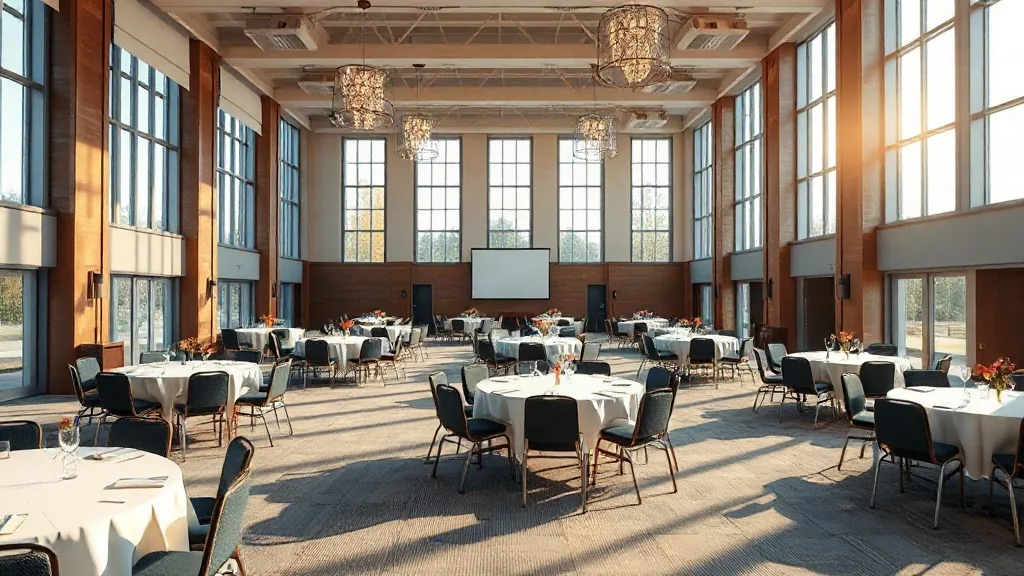
I now ask every hotel for their “all-in room cost” in writing within 24 hours of the initial site visit. That figure needs to include the rental, the F&B minimum, the service charge (often 22 to 24 percent on top of food and beverage), and the local sales tax. I push clients to compare venues on that single number. A property that quotes a higher day rate but a lower F&B minimum and a flat 20 percent service charge will often beat the “cheap” room by $6,000 to $9,000.
Here’s the concession. In a remote-heavy company where people will fly from Seattle, Boston and Austin on a Tuesday morning, travel can still eat 55 percent of the budget. You can’t negotiate a $600 economy fare down to nothing. So my rule of thumb shifted. I aim for a 55/45 split in favor of travel for groups spread across more than two time zones, and I flip that to 40/60 favoring the venue when the team is mostly on the East Coast.
The non-negotiable budget leak: remote workdays
A Friday return flight for a team that hasn’t been in an office since March 2020 isn’t just a flight. It’s a lost workday. Every distributed finance team I book for treats Friday as a write-off, because nobody logs on from baggage claim. That cost doesn’t show up on the travel invoice, but it does show up on the client’s P&L.
I built this into a planning model last year. For a 2026 advisory retreat in Cleveland, my client’s team of forty was flying in from the West Coast. The red-eye on Thursday night saved $4,800 in airfare versus a Friday morning flight. But the red-eye meant nobody was functional on Friday, and overtime for the support staff to handle the Saturday arrivals pushed the total back up. We booked the Friday morning flights, ate the $4,800, and let the team work a half day from their homes before boarding. My math, which I walked them through page by page, showed the red-eye was a false economy to the tune of about seven billable hours per person.
When you start adding that hidden wage cost to the travel column, you will discover the venue budget deserves a bigger cut than you initially thought. A venue that lets you shave a night off the hotel stay is worth real money. That’s why I ask the hotel about a 3 PM checkout on the last day during contract negotiation. It often costs $15 to $30 per room, but it keeps people from scattering at 11 AM and losing the afternoon.
Let the venue do your travel math for you
If you book a property that’s a fortress no one can fly into conveniently, you’ll burn the budget on ground transport. A difference of 35 minutes each way between two comparable properties rarely shows up on the rate sheet, but it shows up as $90 per person in ground transport and it shows up as attendees skipping the Tuesday session because they got in late Monday night.

I look for properties that sit within a 20 minute drive of a major airport, and I screen for the hotel’s own shuttle first. Properties with a complimentary airport shuttle in a place like Newark or Tacoma can save my client $35 to $50 per head on rides. I once booked a group of sixty into a hotel with a free shuttle and the total ground transport bill dropped to zero. That’s $2,100 that I moved straight into the welcome dinner line item. Cheaper venues outside the airport zone, by the way, will quote you a “competitive” rate and then quietly charge $28 per person each way for a “courtesy” van.
The real trade: seat cost versus sleep cost
Here is the planning truth I use to break the tie. A central location with direct flights for 90 percent of the team is worth paying a 15 percent premium on the room rate. The cap on that premium is the point where the central city’s hotel cost exceeds the cost of flying everyone to a cheaper secondary market plus paying for an extra night. I ran this exact comparison for a client choosing between Dallas and Shreveport for a 90-person meeting. Dallas direct flights saved 40 minutes per person in the air, plus eliminated a connection for 25 people. But Dallas rooms ran $289 a night versus $189 in Shreveport, and the Dallas F&B minimum came in $12,000 higher. We booked Shreveport, flew two people in a day early for a site check, and saved my client roughly $41,000 against the Dallas estimate.
Fly the whole team in on the same day, and you’ll spend the evening worrying about staggered arrivals. Fly them in staggered, and you’ll pay for an extra night for a handful of early birds. I write the arrival window into the contract as a performance clause, which means the hotel agrees to have the registration desk fully staffed from 2 PM through 11 PM on the arrival date for no extra labor charge. That clause costs me nothing, and it has saved me three separate times when the hotel tried to charge a $300 overtime fee for a 9 PM registration desk.
All that shared math comes down to a single trade on paper. You are choosing between a more expensive plane ticket that gets your team home Thursday night versus a moderate ticket that gets them home Friday morning, plus a venue that charges a fair service charge and a sane F&B minimum. I can usually move $150 to $250 per person out of the flight line and into the menu by picking the venue that doesn’t nickel and dime the extras.
The last thing I’ll say is about the damn resort fees. They sneak into the venue budget line, not the travel line, and a $45 daily resort fee on 150 room nights is $6,750 you didn’t plan. I get the fee waived in the contract by pointing to the group room block size, every single time. If the sales manager refuses, I ask them to apply the fee to the master account instead of the individual folios. That way it counts against the F&B minimum and doesn’t hang on my attendees’ expense reports. Check whether your venue choice is one my other clients have used, because the reliable ones show up in my own searchable notes for cities large and small. If you’re comparing a big property with that fee against a no-frills conference center, the conference center will often win on this single line item alone.
The venue is your lever. Travel is mostly fixed, but the venue is where your negotiation skill lands, since rates, fees and F&B minimums all flex. When a client hands me a combined budget, I push 5 to 8 percent more into the venue column than they initially planned, and I show them the F&B and service charge math to prove that the good meal and the fair contract pay for the travel line anyway. For a group that’s mostly East Coast based, I’ll often steer them toward a property in Cayce or Dothan where the service charge runs lower and the F&B minimum is more negotiable.
So tell me what you’re actually working with. How many people are you flying in, from which regions, and what month are you eyeing for the dates? Send me the rough headcount and the origin cities, and I’ll tell you within a day whether your venue list is leaking money or your travel list is doing the damage.