How to Book a Brewery or Distillery for a Corporate Event
Breweries and distilleries are among the most-requested venue types for company socials and team events, but they have operational constraints most planners don't expect: limited weekend availability, production-equipment noise, alcohol service licensing requirements, and F&B minimums tied to house product only.

I’ve booked brewery events for tech companies in Atlanta, Charlotte, and Chicago, and the appeal is consistent: craft credentials, a format that reads as thoughtful-but-not-pretentious, and a built-in activity (the tasting, the tour) that removes some programming pressure from the planner. The format works. But the operational constraints of a working production facility are real, and if you’ve only booked hotels and convention centers, they’ll catch you.
The taproom vs event room distinction
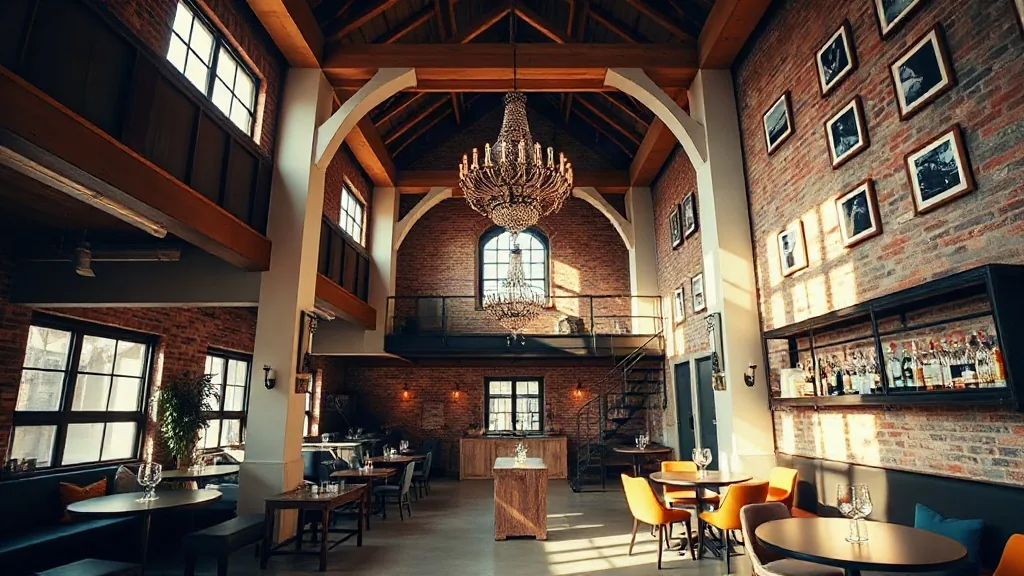
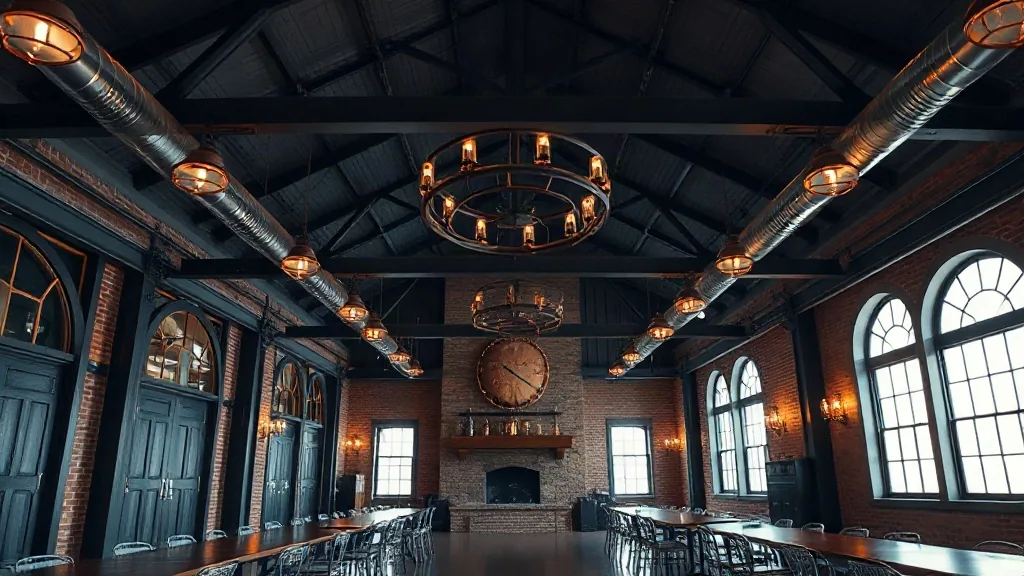
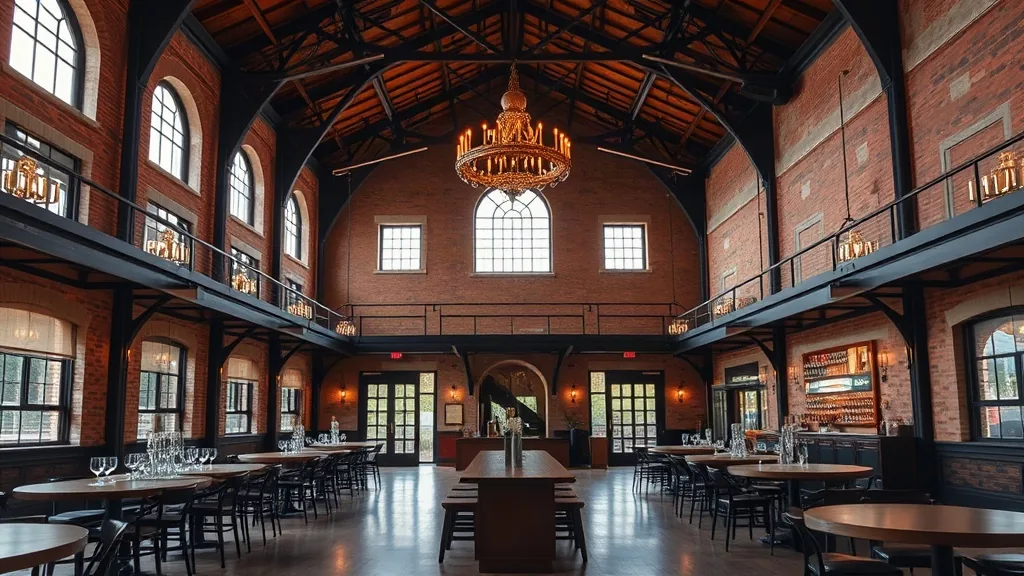
Most craft breweries of any size have two distinct spaces: the taproom (the public bar area open daily) and a designated event space, which might be a barrel room, a hop loft, a loading dock converted to an event hall, or a reserved section of the production floor.
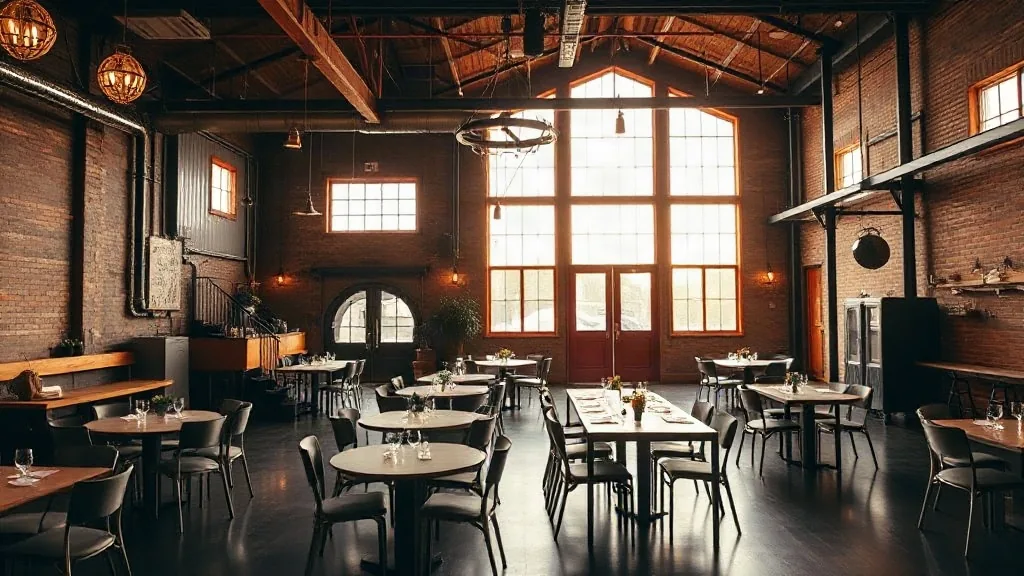
The taproom is almost never available for exclusive corporate buyouts on Friday or Saturday nights because that’s when it generates its highest revenue from walk-in customers. What breweries rent is the separate event space, with or without access to the taproom as a secondary area.
Before you get excited about the taproom aesthetic you saw on their Instagram, ask specifically: what space would be reserved for our event, and is it separate from the public taproom? A partially reserved section of an open taproom is not an exclusive corporate event. It’s a section of a bar.
Availability windows
This is the constraint that trips up the most planners. Breweries typically book corporate events on:
- Thursday evenings (after public closing, usually 6pm to 11pm)
- Sunday through Wednesday evenings
- Saturday mornings before public opening (10am to 1pm for daytime corporate formats)
Friday evenings and Saturday evenings are almost always reserved for public taproom revenue in any market with decent foot traffic. Some larger breweries with dedicated event wings will do Friday evening corporate buyouts, but expect premium pricing.
Distilleries have slightly different patterns. Many are located in rural or industrial areas with lower walk-in traffic, which gives more flexibility on weeknight and weekend availability. A bourbon distillery in Kentucky or a whiskey producer in the mid-Atlantic may have Saturday evening availability that a city craft brewery won’t.
Production noise and timing
Working production facilities make noise. Fermentation tanks occasionally vent, bottling lines run, cooling equipment hums constantly. If your event is in or adjacent to the production floor, confirm whether any production operations will be running during your event hours.
Most breweries are not running bottling lines at 7pm on a Thursday. But fermentation and cooling systems run around the clock, and some production-floor events have a persistent 55 to 65 decibel ambient noise level that makes speeches and presentations difficult without a sound system.
Ask specifically: will any production equipment be operating during our event window? What is the ambient noise level in the event space during off-hours? If you’re planning remarks, a product launch announcement, or any presentation element, visit the space and stand in it for 5 minutes before signing.
Alcohol service licensing
Most craft breweries and distilleries have an on-site consumption license (type varies by state) that allows them to serve their own product within the licensed premises. Corporate events fall within this license, but the specific rules matter:
- In most states, the license permits service of the facility’s own products only. You cannot bring in outside wine or cocktails.
- Some states allow a “catering endorsement” that permits outside beverages; most don’t.
- Hard alcohol service at a brewery requires a different license than beer service, and many breweries that serve only beer cannot legally serve spirits at your event.
If your event needs wine service for a dinner, a full cocktail bar, or beverages beyond the house product, a brewery is often not the right venue. Distilleries handle the spirits question but may not have beer or wine service.
Confirm the license type with the events coordinator before building your beverage program. I’ve had brewery events where the legal answer was “house beer and non-alcoholic beverages only” and the client needed wine service for a client dinner. That’s not a surprise you want day-of.
F&B minimums and catering policy
Most breweries are not caterers. Their food program ranges from food trucks that park outside on event nights to a limited kitchen with bar snacks to no food at all. If your event needs seated dinner catering, you’re almost certainly bringing an outside caterer.
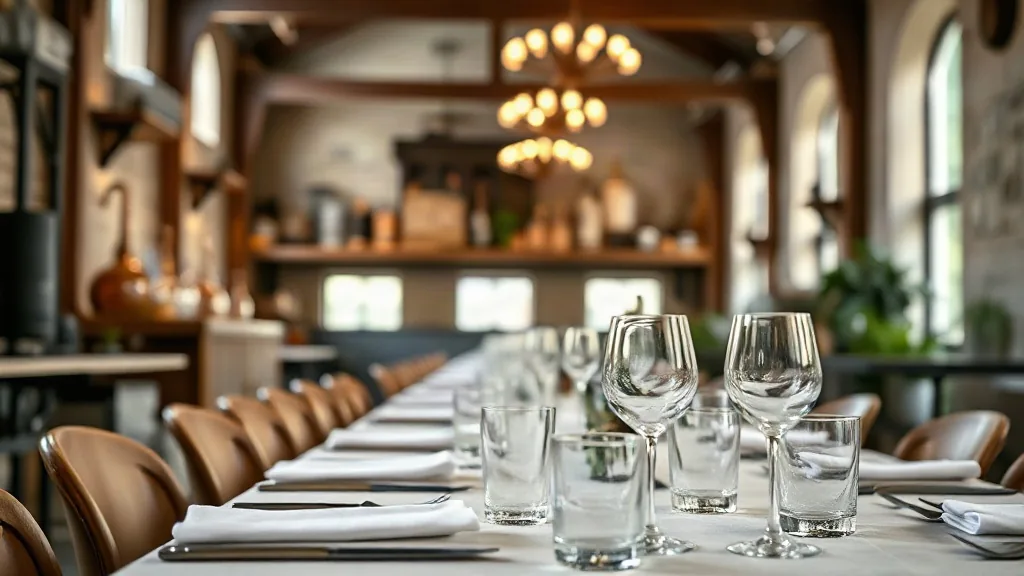
The question is whether the brewery allows outside caterers and what the terms are. The standard positions:
- Outside caterer allowed with approval (most common): you submit the caterer’s COI, the brewery checks them out, they’re permitted for the event.
- Outside caterer not allowed: the brewery has a preferred caterer list or a food truck partnership and you work within it.
- No catering permitted: the venue is a bar, period, and your guests eat beforehand or order from whatever food option is available to the public.
Some breweries charge an outside caterer fee of $500 to $1,500 to permit access. Ask about this before you get too far in negotiations.
F&B minimums at brewery events are typically structured around beverage spend only: a minimum dollar amount in beer sales for the venue to make the event worthwhile. This ranges from $1,500 to $8,000 depending on the size and profile of the brewery. If your group is 60 people drinking beer for 3 hours, you’re likely to hit a $3,000 minimum naturally. If it’s a mixed group at a 90-minute reception, you may not.
COI and noise considerations
Brewery events require standard event liability coverage ($1-2M GL), with the brewery named as an additional insured. If there’s a tour element on the production floor, some facilities require higher limits due to equipment proximity.
For events with amplified music, check whether the brewery or distillery is in an area with residential neighbors. Industrial and warehouse districts are generally permissive; neighborhoods with mixed residential use have sound ordinances that kick in at 10pm or earlier.
The tour element and how to use it
Brewery and distillery tours are one of the differentiating features of this venue type. A 30 to 45-minute guided production tour before the reception or dinner adds an activity layer that guests genuinely engage with. The tour requires coordination with the venue: they assign a staff member (often the head brewer or distiller for smaller operations, or a trained guide for larger facilities), and the tour group size is typically capped at 15 to 25 per guide.
For an event of 100 guests, plan for 4 to 5 staggered tour groups of 20 running simultaneously or in sequence while others enjoy the taproom or pre-reception area. This requires 4 to 5 staff guides, which some smaller breweries can’t provide for a single corporate event.
Ask when you first inquire: do you offer production tours as part of corporate event packages, and what is the guide-to-group ratio you can support for our headcount?
If tours are included in the package pricing, they’re a genuine value-add. If they’re billed separately at $15 to $25 per person, they’re worth including for the right audience. A group of finance executives may be less interested in the fermentation process than a tech company’s engineering team. Calibrate accordingly.
Browse the breweries and distilleries directory to find venues by market, or compare to rooftop venues if you want a social event format with fewer production constraints.
For a direct format comparison, Brewery Venue vs Rooftop Bar for a Company Social covers the noise, capacity, and per-attendee cost differences in detail. For a broader beverage-venue decision, Distillery vs Winery vs Brewery: A Working Planner’s Decision Tree maps the format to the occasion type.
What’s your headcount and whether you need catered food? Those two variables will tell you whether a brewery is the right format or whether you need a venue with more F&B infrastructure.