How to Book an Outdoor or Garden Venue for a Corporate Event
Outdoor and garden venues offer an environment no indoor space can replicate, but weather risk, tent rental costs, sound ordinance compliance, generator sizing, and the insurance rider for weather cancellation all require planning that most planners underestimate. This guide covers the real cost structure and how to de-risk an outdoor corporate event.

I’ve done enough outdoor events in Florida to know the two scenarios that end them: a thunderstorm at 7pm with 200 guests under a tent that can’t handle lightning, and a heat index of 103 with no shade and a caterer who ran out of water halfway through service. The outdoor format is genuinely beautiful when it works. It requires more contingency planning than any other venue type.
What outdoor and garden venues offer
The format earns its place in corporate event planning for specific occasions: summer parties, award ceremonies, product launches with a “grand reveal” moment, incentive events, and team celebrations where the visual environment matters.
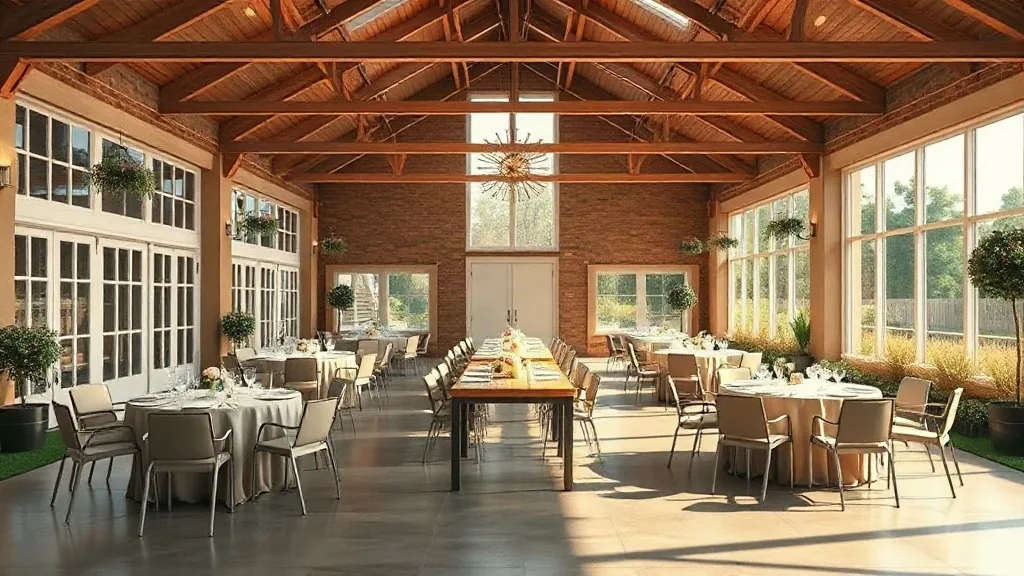
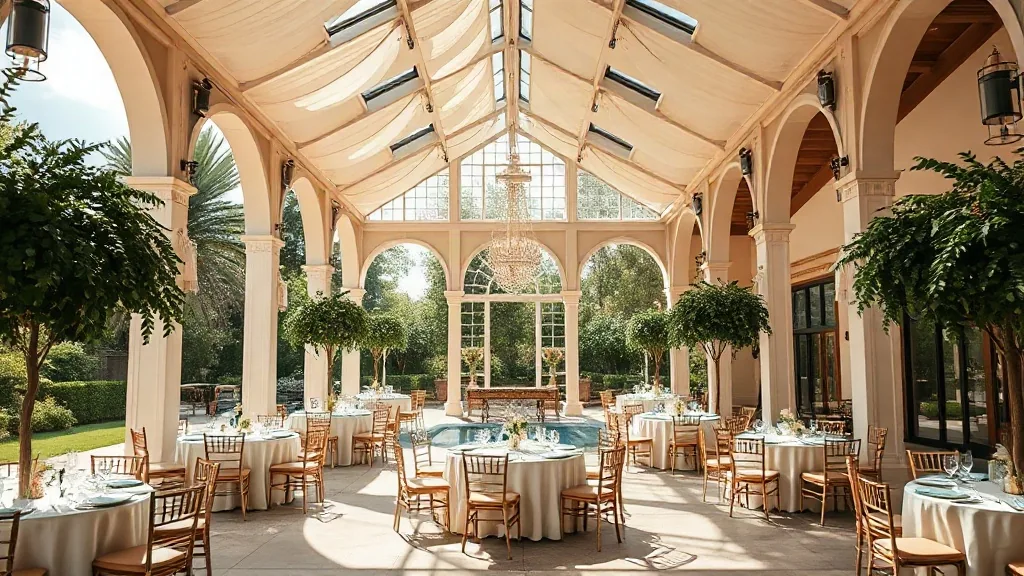
Botanical gardens and private estates with groomed garden spaces offer the most polished version of this format. Parks and outdoor plazas are more accessible but less refined. Rooftop gardens are a subset of the outdoor category that handles some of the weather risk issues through enclosure options.
The aesthetic case is clear. The practical case requires careful planning around five variables: weather, tent infrastructure, power, sound, and insurance.
Weather risk by region and month
Weather cancellation risk varies by location and time of year. Understanding the statistical risk before booking an outdoor event is basic risk management.
Southeast (FL, GA, SC, NC): June through September has a 40 to 60 percent chance of afternoon thunderstorms on any given day in Florida. Morning events are lower risk. Evening events after 6pm in the summer are moderate risk if you have a hard-sided fallback.
Northeast (NY, NJ, MA, CT): April and May have high rainfall probability (15 to 20 days of rain per month in the Northeast). September and early October are the most reliable outdoor months.
Midwest: June through August is generally reliable but has occasional severe weather risk (high winds, hail). Spring months are wet and cold.
Southwest (AZ, NM): July and August are monsoon season with predictable afternoon thunderstorms. October through April are the reliable outdoor months.
Ask the venue: what are your most common weather cancellation situations, and what have you seen in the last three years? A venue that has never had a weather cancellation either hasn’t hosted many outdoor events or is in a climate-controlled enough environment that the risk is low.
Tent rental costs and what they cover
A tent provides a roof. It does not provide walls, lighting, flooring, climate control, or sound dampening unless you buy those separately.
Standard tent rental pricing for corporate events:
- 40x60 frame tent (seats 100 to 120 at rounds): $1,200 to $2,500 per event
- 60x100 frame tent (seats 300 to 350 at rounds): $3,500 to $6,500 per event
- Sidewall panels: $300 to $800 per set (adds weather protection but reduces visibility and ventilation)
- Climate control (portable AC or heater): $400 to $1,200 per unit depending on BTU rating
- Tent flooring (wood or rubber over grass): $800 to $3,000 for a 60x100 space
These are base rates; delivery, setup, and breakdown are often billed separately. Get a fully loaded quote that includes all setup and strike labor.
Wind load requirements: a tent that’s not properly staked or ballasted is a weather liability. Many tent rental contracts specify minimum wind speed thresholds for tent use. Ask your vendor what the tent is rated for and what the monitoring plan is on event day.
Power supply for outdoor events
Gardens and parks often have no available commercial power. Even private outdoor estates may have limited service. You need to know:
- What electrical service is available at the venue (if any)?
- What is its amperage and where are the connection points?
- If there’s no service, what generator does the venue recommend and is one available?
Generator sizing: a 150-person outdoor event with catering warmers, string lights, AV, and a DJ draws approximately 60 to 80 amps. A 45KW generator handles this with room to spare. Smaller events (under 100 people, minimal catering heat load) can sometimes work with a 20KW generator.
Generator rental runs $600 to $1,400 per day for a 45KW unit, plus fuel. Budget for fuel separately; a full day of operation burns $80 to $150 in diesel.
Sound ordinances
Most jurisdictions with outdoor event venues have sound ordinances that specify maximum decibel levels at the property line, after-hours restrictions, and permit requirements for amplified sound. Common restrictions:
- Amplified music after 10pm in mixed-use or residential areas: often restricted or prohibited
- Decibel limits at property line: 65 to 75 dB in residential zones, 75 to 85 dB in commercial zones
- Permit requirements: some cities require a sound permit for events with amplified music above a threshold
Ask the venue specifically: what are your sound ordinance restrictions, and have you ever received a noise complaint? If they have, ask what triggered it and whether they’ve modified their operations in response.
Insurance rider for weather cancellation
Standard event liability insurance does not cover weather cancellation losses. A separate event cancellation insurance policy covers non-refundable vendor deposits, venue fees, and catering costs if the event is cancelled due to named weather perils.
This insurance runs $300 to $800 for a $30,000 to $50,000 event. It’s worth buying for any outdoor event that has a meaningful sunk cost in non-refundable deposits.
The indoor fallback requirement
Every outdoor corporate event needs a confirmed indoor fallback. Not a tentative plan. Not “we’ll figure something out.” A signed contract with a specific venue that can accommodate your full guest count on the same date.
This requires booking two venues simultaneously for the same date, which feels inefficient. It is the correct risk management. The fallback venue is typically a hotel ballroom, a banquet hall, or an indoor event space within reasonable proximity to your outdoor venue. Some outdoor venues have an indoor component that serves as the fallback; this is the most efficient solution if it exists.
When you book the outdoor venue, ask specifically: do you have an indoor space that could accommodate our full group if we needed to move indoors? If yes, is that space available as a backup on our event date? Some outdoor venues have invested in exactly this: a permanent weather contingency space. Others don’t.
The decision point for activating the fallback is typically made 24 to 48 hours before the event, not day-of. Day-of venue switches are chaotic and stressful for attendees. A 24-hour cancellation communication to attendees with a clear indoor location is manageable. An 11am announcement on event day that the 7pm outdoor gala is moving indoors is not.
Build the fallback decision timeline into your event plan and communicate it to your stakeholders before they ask.
Browse outdoor and garden venues for corporate events by state, or compare to rooftop venues for a semi-outdoor format with better weather protection options.
For the weather-risk decision framework, Outdoor Garden vs Indoor Venue for a Spring Event covers the regional probability tables and tent cost comparison. For Florida-specific outdoor event planning, Why Outdoor Events in Florida Need Two Backup Plans covers the two-stage contingency approach that actually works.
What’s your event date, region, and whether you have a confirmed indoor fallback option? Those three variables define how much weather risk you’re actually carrying.