
How to Work With a Venue's Preferred Florist Without Paying the Full Premium
Preferred florists at hotels and event venues charge 20 to 35 percent more than market rate. In most cases, using them is not mandatory. In some cases it is. Either way, there is a negotiation available before you sign the floral contract. Here is how to read the venue relationship, run the comparison, and reduce the cost gap without creating a problem with the venue.

A preferred florist relationship at a venue works like this: the florist pays the venue a referral fee, typically 10 to 20% of every contract they book through that referral. The venue recommends the florist to every client. The florist prices accordingly.
That’s not a conspiracy. It’s a business arrangement. The venue earns revenue for the recommendation; the florist earns access to a steady client pipeline. What it means for you is that the preferred florist’s base pricing already accounts for the cost of maintaining that relationship, and those costs are passed through to your contract.
Step 1: Determine whether preferred means required
The distinction is the same one that applies to caterers. Look at your venue contract. If it says “preferred florist,” you have flexibility. If it says “exclusive” or “required vendor for floral services,” your options are limited to renegotiating the contract or accepting the terms.
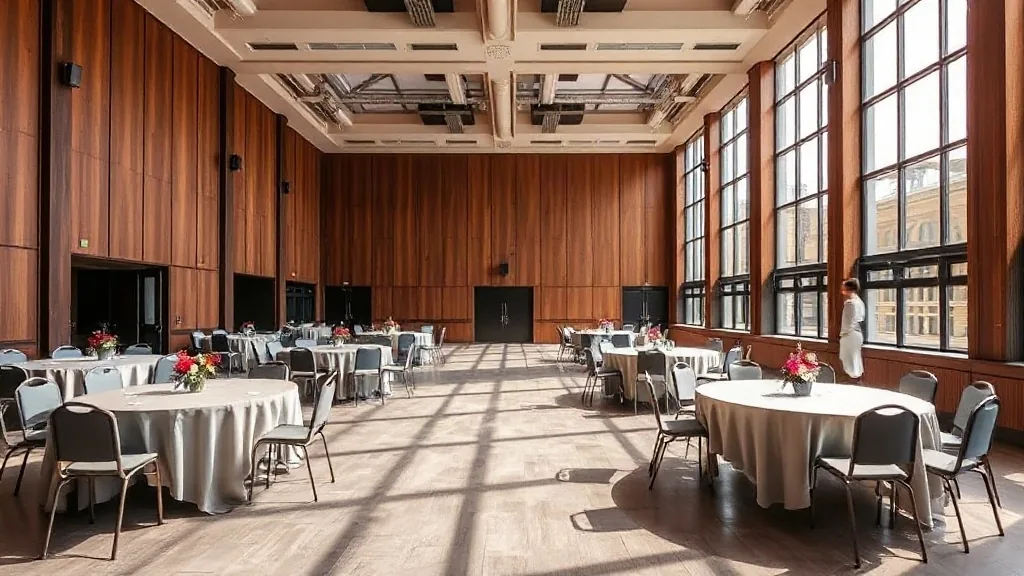
Most hotel properties and banquet halls with preferred florists do not require exclusive use. Country clubs are an exception; many private clubs have tighter vendor restrictions and require florists to be on an approved list that is not publicly posted. Ask the membership coordinator for the approved vendor list before you bring up an outside florist.
If the venue allows outside florists, there may still be an approval process: COI documentation, advance notice, or a venue access fee. Get the requirements before you move forward.
Step 2: Get an outside quote for the same scope
Send your five-item floral brief to two or three outside florists in the same market. Make the scope identical: same table count, same arrangement specifications, same delivery and strike window. Ask for an itemized quote.
Compare the outside quotes to the preferred florist’s quote on a per-arrangement basis, not just total cost. The preferred florist may have a lower item count in the proposal at a higher per-item price. Or the outside florists may be quoting lower-quality materials at the same apparent price. Both scenarios are common.
The comparison exercise answers the question: is the premium real, and if so, how large is it? If the preferred florist is 12% more expensive than outside competitors for comparable quality, that may not be worth the conflict or the approval process. If they’re 35% more expensive, it is.
Step 3: Negotiate directly with the preferred florist
Once you have outside quotes in hand, call the preferred florist’s account manager for your event and have a direct conversation. The script is simple:
“I have outside quotes for a comparable scope at $X. I’d prefer to work with you because you know this venue well, but I need to close the cost gap. What can you do within our budget?”
Specific levers that reduce the preferred florist’s price:
Scope reduction. Ask them to remove specific add-ons that you can confirm are non-essential: the entrance piece, the cake table arrangement, the bar top accent, the restroom arrangements. Any item you eliminate is full markup removed from the quote.
Off-peak delivery. If your event starts at 7pm and you’re willing to accept delivery at 3pm rather than 5pm, the florist can combine your delivery with another event on the same day. Shared delivery run costs save $150 to $300 on their end and they’ll often pass part of it back.
Simpler arrangements. Ask for greenery-and-candle centerpieces instead of cut flower arrangements for the secondary tables. Reserve cut flowers for the head table and registration area. The cost difference for 15 secondary tables can run $600 to $1,200.
Waive the strike fee. For venue-adjacent florists, strike (post-event teardown and pickup) is built into the quote. Ask them to include strike at no additional charge in exchange for a commitment to use them again for the next event at the same venue.
What the preferred florist offers that outside vendors don’t
The preferred florist knows the venue’s loading dock schedule, the preferred coordinator’s preferences, and the quirks of the room. They’ve set up in that ballroom 30 times. They know that the east wall has a gap in the overhead lighting that washes out white arrangements, and they’ll compensate without being asked.

That knowledge has real value for a gala dinner at a hotel ballroom where you have one shot to get the room right. It has less value for a company all-hands at a conference center where the floral is minimal and the room is primarily about AV and seating layout.
Weight the relationship premium against the type of event. For a $200-per-head awards ceremony at a country club, the preferred florist’s venue expertise is worth $800 in cost premium. For a 50-person workshop at a hotel meeting room where the centerpieces are four small arrangements, outside competition is the right call.
When the comparison reveals equal quality at lower cost
If your outside quotes show comparable quality at materially lower cost and the venue allows outside vendors without restrictions, bring an outside florist through the approval process. Venues with professional event teams are accustomed to this. The approval process is not personal, and a well-run outside vendor who follows the venue’s access protocols won’t damage the relationship.
What makes the venue comfortable with outside vendors is professionalism: proper COI, advance communication with the events coordinator, and a clean strike. If your outside florist has worked at comparable venues before and has documentation to show it, the approval is usually straightforward.
The strike conversation nobody has before signing
Strike is the post-event teardown and removal of all floral materials. Most preferred florists include strike in their quoted price. Some outside florists do not, and the surprise charge appears on the final invoice at midnight when you’re trying to close out the venue.
Ask every florist, preferred or outside, whether strike is included and whether there’s an overtime charge if the event runs past the scheduled close time. A florist whose strike overlaps with a venue load-out window after midnight may charge $150 to $300 in overtime labor. For a gala that reliably runs long, budget for it.
Also confirm whether the florist takes back rental items (such as vases, candelabras, or mirrors) the same night or the following day. Same-night pickup is better for the venue and often included at no charge. Next-day pickup adds a return trip fee of $75 to $200 and requires coordinating venue access for the following morning.
For events at hotels and resorts where the preferred vendor list includes florists, caterers, and AV companies, see how to book a hotel or resort for a corporate event for the full preferred vendor negotiation context.
What’s your total floral budget, your venue, and the event type? Share those details and I can tell you whether the preferred florist premium in your specific case is worth paying or worth negotiating around.


