
Lav vs handheld vs headset: picking the right mic for your program
The wrong microphone choice reads on camera and in the room, and it costs the same to rent as the right one. Here is how I match lav, handheld, and headset to the actual run of show, plus the failure modes each one hides.
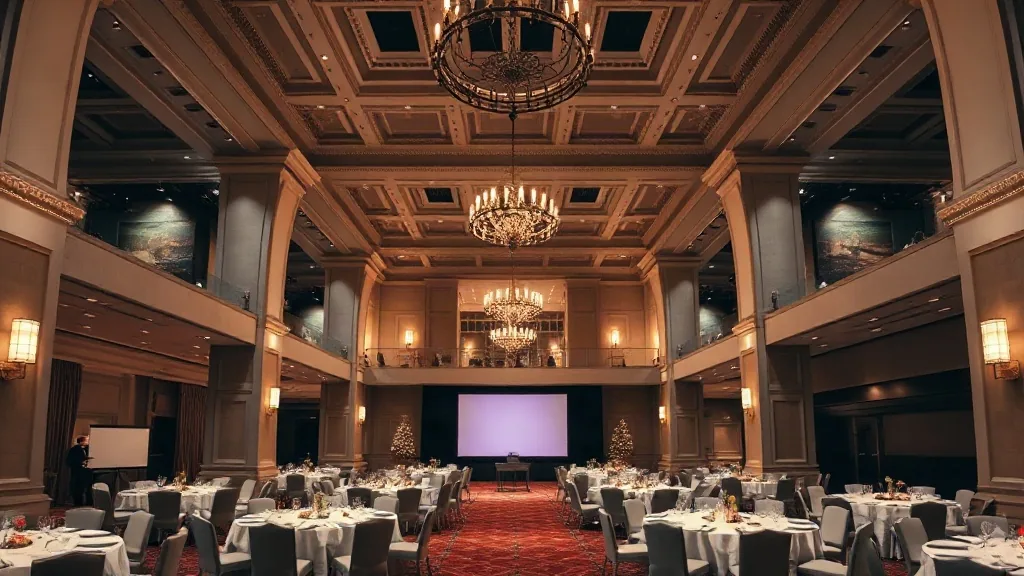
A lav pack died 90 seconds into a CEO keynote once, and the fix was already sitting on the tech table: a handheld on a stick, walked up the stairs by a stagehand while the room held its breath. That rental cost $45 for the day. The lav that failed cost $65. Same budget line, opposite outcome. The mic you choose is not a money decision. It’s a decision about how the person on stage actually moves, sweats, and forgets they’re wired.
I spent nine years on the vendor side before I started consulting, and I still spec microphones the same way: I read the run of show first, then I pick the mic. Not the other way around. Here’s how the three types actually behave once a real human is holding or wearing them.
Handheld: the one that forgives everything
A handheld wireless is the mic you reach for when you don’t fully trust the program. Panels, Q and A, award readouts, anything where control matters more than polish. You can mute it by moving it off the mouth. You can hand it off. You can hold it out to an audience member. A stagehand can swap a dead one in four seconds because there’s nothing to unclip.
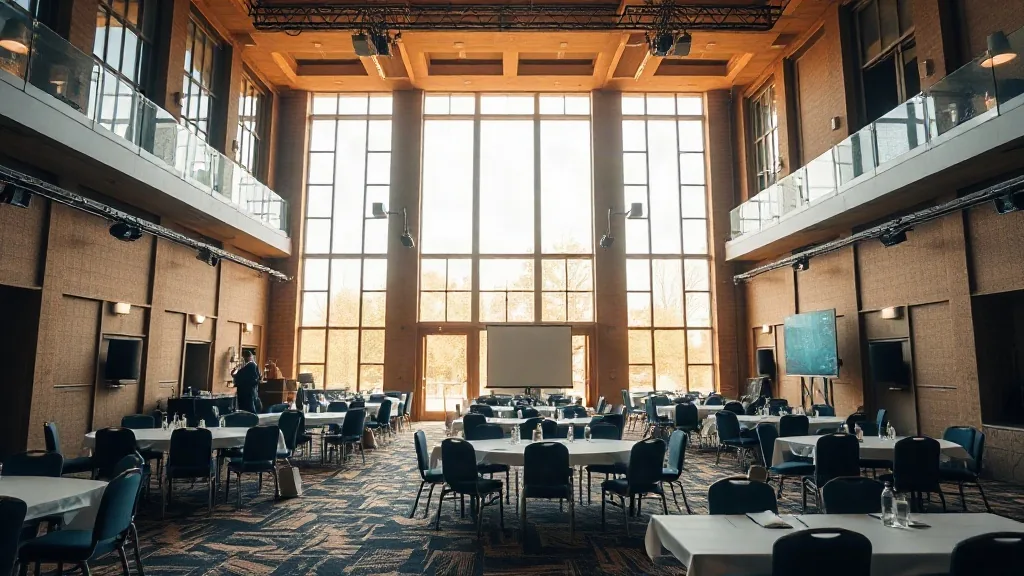
The tradeoff is that it occupies a hand. For a CEO who gestures, that’s a problem by minute three. For a panel of four seated people, it’s the correct call every time. I budget one handheld per two panelists plus one runner mic for audience Q and A. On a 200-person program that’s usually three to five channels, and a wireless handheld runs $40 to $75 per channel per day in most markets.
Handhelds also hide their failure well. A dying battery drops output before it cuts out, so you get a warning. That warning is worth real money on a live program because your A1 can swap the pack during applause instead of during a sentence.
Lavalier: clean on camera, fragile in the room
A lav (the little clip mic) is what you want when the shot matters. It disappears on camera, it frees both hands, and it sits close enough to the mouth to sound intimate. Every filmed keynote I scope defaults to lav for the main presenter. If the event is going on the company YouTube channel or into a sales enablement library, the lav earns its place.
Then reality shows up. Lavs pick up clothing rustle if the clip lands on a silk blouse or a lanyard swings into it. They pick up the presenter’s necklace tapping the capsule. The transmitter pack needs somewhere to live, and a fitted dress has no waistband, so I carry a thigh strap and gaffer tape in the kit for exactly that. A lav on a sweaty forehead of nerves can short in a two-hour session, which is why I never put a solo lav on a high-stakes speaker without a backup channel already patched and muted.
Budget two lav channels per filmed presenter, not one. The second is your insurance, and it costs about $60. That’s cheaper than reshooting a keynote, which you cannot do, because the audience already went home.
Headset: the mic for people who move and won’t hold anything
A headset (the thin boom that curves to the corner of the mouth) is the answer for the presenter who paces the whole stage, works a demo table, and refuses to hold a handheld. Fitness-style keynotes, product demos where the speaker uses both hands, high-energy sales rallies. The capsule stays a fixed distance from the mouth no matter how the head turns, so the level is steady in a way a lav never is.
The catch is fit and optics. A headset takes two minutes to fit correctly, it messes up hair, and some executives hate how it looks on camera. I’ve had a VP pull one off during a break and hand it back with the boom bent. For a filmed event where the speaker won’t stop moving, I still spec it, because steady audio beats a clean hairline. For a seated fireside chat, never. It’s overkill and it reads as try-hard on stage.
Matching the mic to the run of show
Here’s the shortcut I use when I read a program cold. Seated and talking, handheld or lav. Standing and filmed, lav with a headset backup for the pacers. Moving hard and using hands, headset. Audience participation, always a handheld runner or two, because you cannot wire a room of strangers.
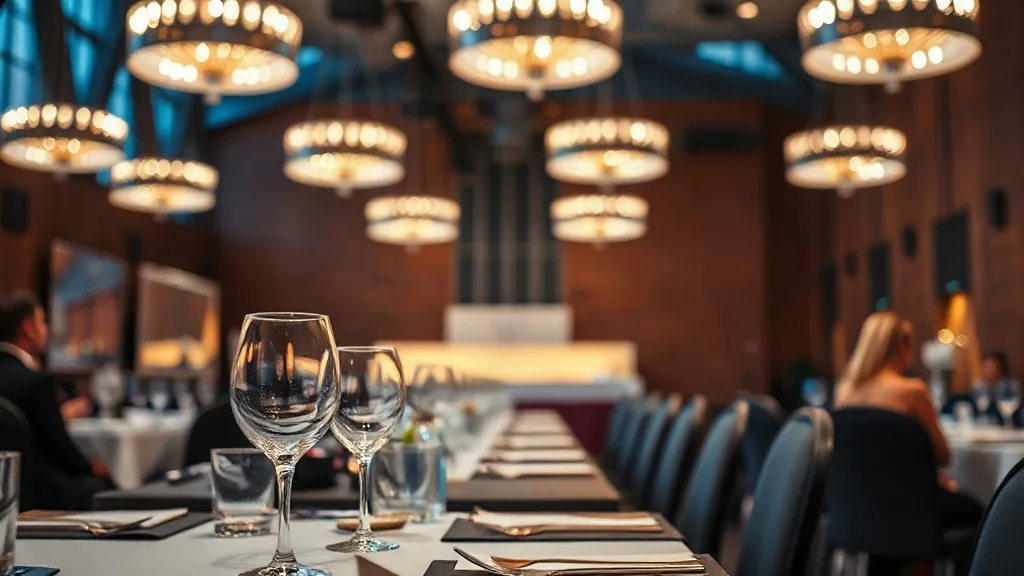
A three-hour general session usually needs a mix, not one type. A recent 300-person user conference ran a lav on the host, two headsets on the demo presenters, four handhelds for the afternoon panel, and two runner handhelds for Q and A. Nine channels total, which sounds like a lot until you count the people who touched a mic. That bill landed near $520 for the day in a tier-two market, and not one moment of the program stalled on audio.
Ask your conference center or theater and performing arts venue what house wireless frequencies are already in use before you load in. In a downtown building with three simultaneous events, the RF spectrum gets crowded, and two systems fighting for the same frequency produce a dropout that sounds exactly like a dead mic. Your A1 needs a clean coordination scan, and the venue’s in-house AV should hand it over without a fight.
The three questions I ask before I book a single channel
First, who’s on stage and will they hold anything? If the answer is no, that eliminates handheld for that person. Second, is this being filmed for reuse? If yes, lav or headset, never a shared podium mic that ties the speaker to one spot. Third, does the audience talk? If yes, add runner handhelds and a plan for who walks them.
The mic is also a rehearsal item, not just a rental. Ten minutes of mic check with the actual presenter wearing the actual mic catches the rustling blouse, the swinging lanyard, the pack that won’t clip. I’ve never regretted that ten minutes. I’ve regretted skipping it more than once.
One more thing the event venue walkthrough should surface: where the presenter enters. A headset or lav has to be fitted before the speaker walks on, so you need a quiet spot backstage and a person to do the fitting. If the only backstage is a loud loading corridor, that’s a logistics fix you want to know about in advance, not at 8:55am.
If you brief your AV vendor well, the mic question mostly answers itself. My guide on how to brief an AV vendor covers the run-of-show detail that drives these calls, and what a bigger mic budget actually buys you breaks down where the money goes. Before any of it, walk the room: my AV walkthrough checklist has the twenty-seven items I check on every site visit.
So tell me the shape of your program. How many people touch a mic, are you filming it, and does your audience talk back? Give me the run of show and a headcount, and I’ll tell you exactly how many channels of each type you need.


