
LED wall vs projection: when the upgrade is worth the money
An LED video wall can cost four times what projection does for the same stage. Sometimes it earns every dollar and sometimes it is a vanity line. Here is the decision I run, room by room, on when to spend for LED and when projection wins.
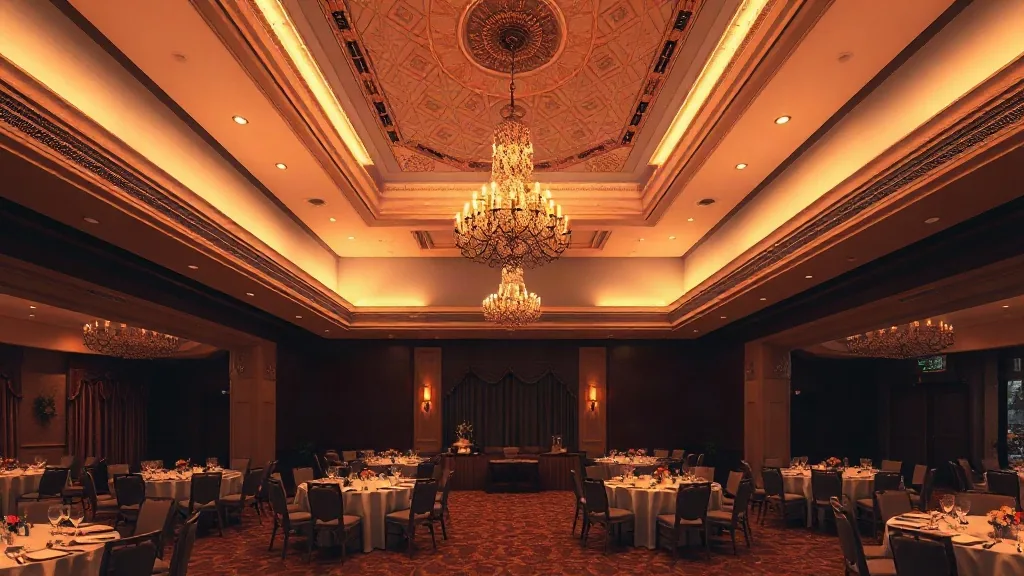
A client wanted an LED video wall for a 250-person sales kickoff, quoted at $28,000 for a 20-foot-by-11-foot wall for one day. The in-house projection option for the same stage was $6,500. That’s a $21,500 gap, and the client wanted the LED because a competitor had one. I made him walk the room with me at 2pm with the house lights up, and by the time we left he’d booked projection and spent the difference on a second breakout room. The room told us the answer, the way it always does.
I spent years on the AV vendor side before I started consulting, so I’ve quoted both hundreds of times. LED versus projection is not a quality question, because a good projector and a good LED wall both look great in the right room. It’s a room-and-budget question, and the honest answer depends on three variables the sales rep won’t lead with: ambient light, viewing distance, and content.
The three variables that actually decide it
Ambient light is the first and biggest. Projection needs controlled light. In a hotel ballroom you can dim, a 20,000-lumen projector on a proper screen looks excellent and costs a fraction of LED. But in a room you can’t darken, a glass-walled atrium, an outdoor stage, a museum space with fixed lighting, projection washes out and looks weak, while LED stays bright and saturated regardless of ambient light. If you cannot control the light, LED earns its price. If you can dim the room, projection is usually the smarter spend.
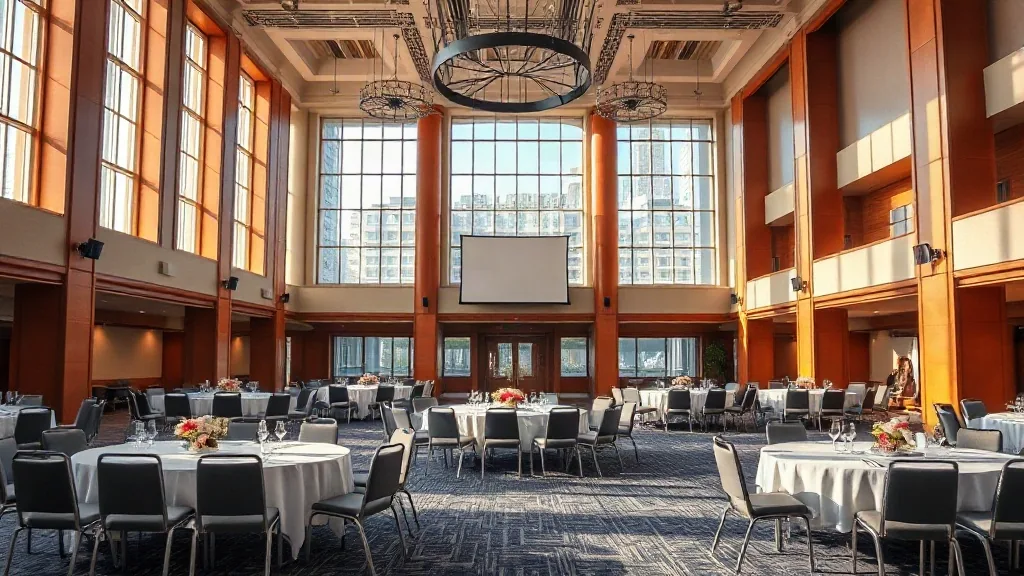
Viewing distance is the second. LED has a “pixel pitch,” the physical distance between LEDs, and a wall with a 2.9mm pitch looks flawless from 15 feet but you need to sit far enough back or you see the individual pixels. For a close, intimate room, a fine-pitch LED is expensive and projection is often crisper up close. For a big room where the back row is 80 feet from the stage, LED’s brightness carries better and projection can look dim at that distance. Match the technology to how far your audience actually sits.
Content is the third. If your content is mostly slides, a keynote deck, bullet points, the odd video, projection handles it fine and nobody in the audience can tell you spent less. If your content is the star, a product launch with cinematic video, a brand film, saturated motion graphics that need to punch, LED’s contrast and brightness make the content look like money. Spending LED prices to show a PowerPoint is the definition of overspend.
The cost gap, honestly
For a mid-size general session, projection with a good screen, a single projector, and a switcher runs $5,000 to $10,000 for the day depending on lumens and screen size. An LED wall of comparable stage size runs $18,000 to $35,000 for the day, because you’re paying for the panels, the processing, the rigging or ground-support structure, and a technician to run it. That’s roughly a three-to-four-times multiplier for the same visual footprint.
The gap narrows on multi-day events, because LED rental has a high setup cost that amortizes over more show days, while projection’s daily cost is flatter. A one-day event magnifies the LED premium. A four-day event softens it, because you’re paying the LED rigging once and using it four times. So the length of your event is a real input into whether LED pencils out.
When I say spend for LED
I recommend LED in five situations. A room you can’t darken. An outdoor or tent stage in daylight or dusk. Content that’s genuinely cinematic and central to the message. A stage design where the wall itself is scenery, curved or oversized, which projection can’t do. And a multi-day event where the premium amortizes. Outside those, projection is the honest choice and the money belongs elsewhere in the show.
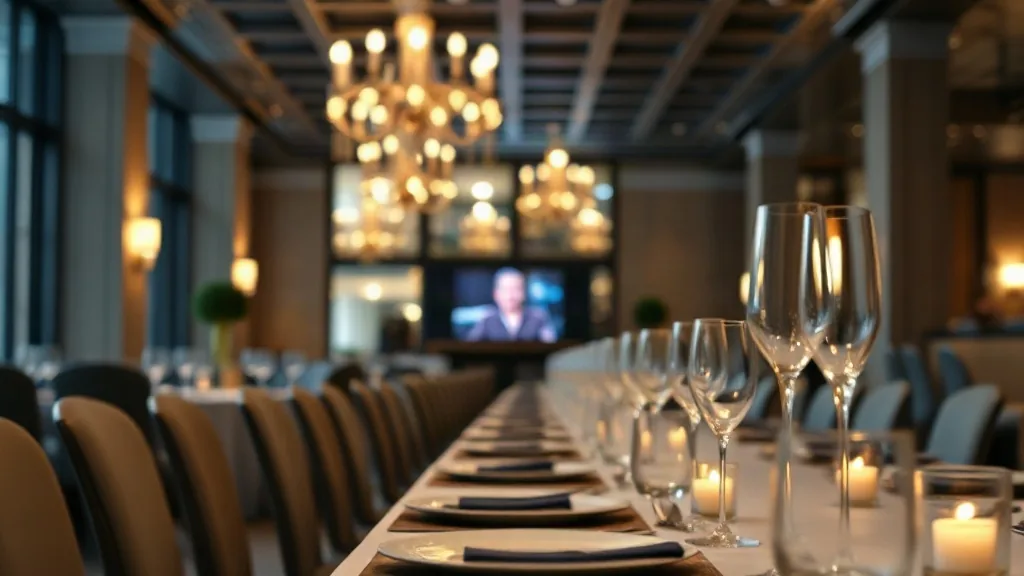
The situation where LED is pure vanity: a dimmable ballroom, mostly-slide content, a single day, and a budget that’s tight everywhere else. That’s the $21,500 my client almost spent to match a competitor, on a room where nobody would have seen the difference once the lights came down.
The overspec trap around the wall
Watch the quote for spec creep around whichever you choose. On LED, vendors upsell finer pixel pitch than your viewing distance needs, and the price climbs fast per millimeter of pitch. If your back row is 60 feet out, you don’t need a 1.9mm wall, a 3.9mm reads perfectly and costs meaningfully less. On projection, the upsell is redundant projectors and higher lumens than the room requires. Ask the vendor to justify the spec against your actual room dimensions and light, and make them show their work.
The venue’s in-house AV is where this fight usually happens, because in-house teams carry projection as standard and treat LED as a premium add. At many conference centers and hotels and resorts, the in-house projection is already rigged and cheap, while LED means an outside vendor and a labor markup. At large convention centers, the exclusive AV provider often marks up LED heavily, so pricing an outside AV vendor as a comparison, where the venue allows it, can cut the LED number substantially.
For the full pattern of how AV vendors inflate a quote, AV companies want to overspec you is required reading before you sign an LED contract. To size the whole AV package correctly, how to scope AV for a conference puts the display decision in context. And to sanity-check the total against your event budget, the AV cost ratio that always works gives you the benchmark.
So describe your room to me. Can you dim it, how far is the back row from the stage, and is your content slides or cinema? Give me those three and I’ll tell you whether the LED wall earns its four-times price or whether projection does the same job for the money you’d rather spend elsewhere.


