Photo and video studios as event space for a product launch
Renting a working photo studio for your product launch costs far less than a ballroom and grants total creative control over the space.
What a photo studio launch actually costs and why it beats a ballroom
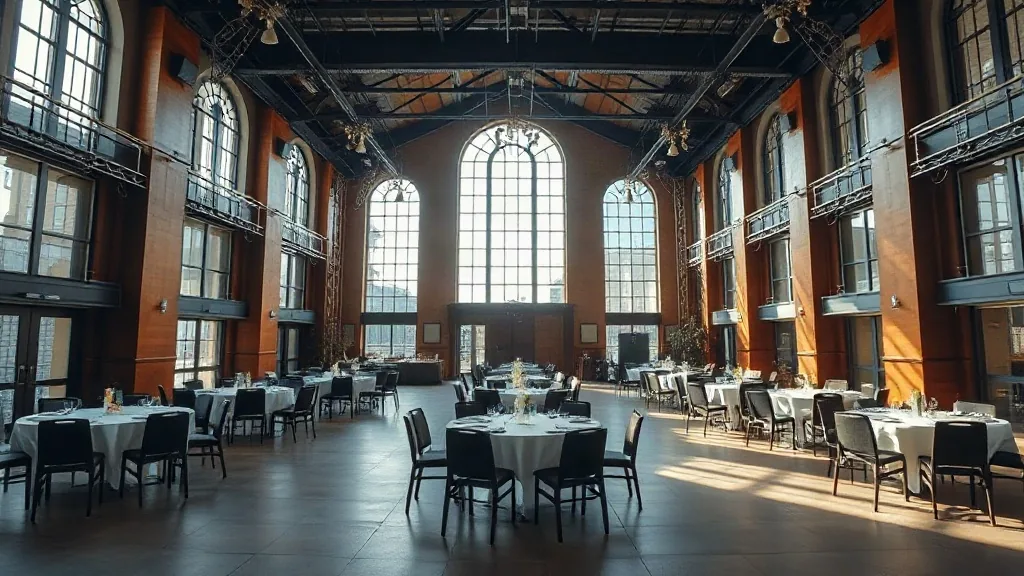
The last time I booked one of these for a client, the swing loft in Atlanta’s West End cost us $4,100 for twelve hours, and the only fixed anything on the floor was a lighting grid and a rolling kitchen cart. That’s the whole appeal for a product launch. You’re not inheriting a chandelier or a built-in staging riser you can’t move. You are inheriting black walls, a concrete floor, and permission to make a mess that a hotel ballroom manager would lose sleep over.
What a working studio gives you that a hotel cannot
First, the obvious one: the light. A photographic cyclorama wall, that white curve where the floor meets the wall with no corner line, can run you a $2,500 to $5,000 addition in a custom build. You’re renting it for the night instead, and the value isn’t the wall itself. It’s that every press photo and social clip from the event will have that clean, product-hero background. Your marketing team won’t need to spend a week in post-production clipping backgrounds out of smartphone photos. That means the launch content goes live Sunday evening instead of next Friday.
Second, the power draw. Your product people will bring prototypes, and prototype chargers draw serious wattage. I’ve had clients blow circuits in a restored mansion because three demo laptops and a sound system exceeded an old panel’s capacity. Studios are built for strobes that need a dedicated 20-amp circuit, and that’s the baseline. When the head of engineering asks if he can run a pressurized coffee machine and a bank of monitors, the studio manager usually just checks the breaker label and says yes. The hotel Banquet Event Order (BEO) would have required an electrician call-out and a $400 labor fee before they let you plug in a rice cooker.
Here’s the concession, because there always is one. You won’t get room service. The catering will have to be brought in by an outside vendor, since few studios hold a food service license on site. That adds a vendor coordination layer and sometimes a premium fee of 15 percent from your caterer if they have to work off a packing list instead of a standard house kitchen. Plan for that line item now, not when the invoice lands.
Floor loading, freight elevators, and the delivery checklist
Booking the space based on Instagram photos is how you end up with a $700 forklift rental surprise. You have to read the specs, or better yet, walk the dock beforehand with your event production lead.
The key question at any studio is the floor loading rating, measured in pounds per square foot. Some ground-floor lofts in converted warehouses are fine because they’re a slab on grade. Second-floor spaces in old commercial buildings can have a rating around 100 psf for general use, and maybe 250 psf for staged areas near structural columns. Your product may be a featherweight device, but the demo rig you’re building, the truss structure with LED panels, can weigh several hundred pounds hanging from four points. Ask for the truss point capacity in writing and determine who rigs it. Studios generally require an in-house operator for any overhead work, and that rate is typically $85 to $150 an hour with a four-hour minimum.
The freight elevator schedule is another reality. Studios in converted mills share the building with other tenants, so loading dock hours usually end at 6 p.m. If your core product installation takes place after that, your budget will include a union handler or an overtime elevator fee that runs $300 to $600 whether you use the elevator for ninety minutes or nine hours. I build that into my first proposal so nobody is holding a staff meeting about a surprise invoice at settlement.
Check the roll-in door dimensions against your product crate. I planned a reveal for a drone propulsion unit that shipped in an 8-foot-tall sealed crate. The studio’s loading door was 7 feet 10 inches. The crate lived in my client’s storage unit, and the unit came in two halves assembled on site. That delay cost us a morning of rehearsal only because I had scheduled a buffer. Always schedule that buffer.
Here is where the local venue lists help with quick comparison. A dedicated source like this photo and video studio guide with searchable specs can save you twenty calls to places that were never viable. Narrow by ceiling height and door width before you email anybody. If you’re comparing options in the Midwest, the studios listed in Iowa often have generous ground-floor loading docks that skip the elevator question entirely.
Building the product reveal, demo zones, and the press pit
Zone one is the reveal stage. I position this against the darkest available wall, not the cyc wall if it’s white. For a tech reveal with projected video, you want the black section to kill light bounce. A professional light designer will read the studio’s inventory sheet; most hire studios include a basic 4-light package, and you should request the model numbers. If they’re LED panels rated at 3500 Kelvin, shoot that list to your AV vendor now. A mismatch in color temperature will make your product’s casing look green in every video frame.
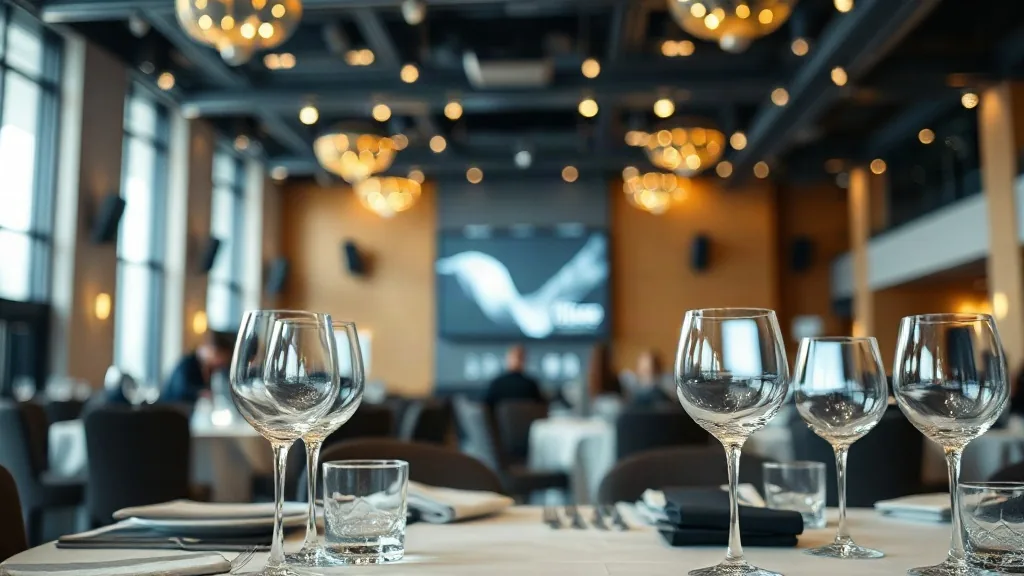
Zone two is the demo pit. Give this area actual vertical markers, like stanchions or floor tape, because you want foot traffic passing by, not stopping. Keep the beverages on the opposite side of the room. Put the demo table at belly height with a drop-down power strip at the front. This is the area to spend on a second internet line, typically $500 extra for a wired drop, because the wireless will die the minute ten press videos upload simultaneously to the cloud.
Zone three is the press pit and interview corner. Position this near the freight elevator or loading door so press can slip out for a call without crossing the whole demo floor. Many studios keep an office corner with a desk and a nearby restroom, not fancy, but functionally a green room. Reserve that if it exists, and book a security guard for any prototype hardware at the door. The guard rate in Atlanta is around $35 per hour and worth every cent for a launch expected to trend.
For reference, if you’re launching further north, the available studios in Seattle have amazing top-floor daylight, but they’re pricier for window blackout setups and rigging access. That daylight is a bonus for a lifestyle product and a liability for a demo of a projector screen. For a smaller regional launch in the Mountain West, the studio options in Provo, Utah offer solid value on square footage without the metro premium.
Insurance, indemnity, and spending the last dollar on rehearsal
The studio contract reads different from a hotel’s, and the insurance certificate is where the conversation starts. Hotels expect liability coverage in millions as a matter of habit. Studios, smaller operations by design, run a range of requirements. High-end sound stages across the metro ask for a two-million-dollar policy, while others carry coverage themselves and will add you as an additional insured for a small one-time fee, around $150 to $300.
Do not spend that budget on a fancier appetizer. Spend it on a full run-through at six o’clock the night before. That rehearsal costs you venue overtime, about $250 to $500 per hour after the contracted time. It keeps the whole demo sequence inside the two-hour window that matters. Your guest decided whether they buy by the product’s twenty-second visual story, not by your opening remarks.
Before you contact me
Look, the single most useful thing you can send over is your attendee count and your actual scheduled demo duration. A product launch for one hundred people is a radically different booking than one for two hundred and fifty. The first fits in a ground-floor studio in Georgia with a minimal floor package. The larger one likely needs the bigger square footage per head, and that shifts budget from space to logistics and sound. So when you reach out, lead with the number of attendees expected, the desired month, and your technical demo outline. Tell me if you have freight that moves on an 18-wheeler or a pallet jack. I’ll match that against the venue specs, and we’ll find the load-in that works for both the camera operator and the CFO.