Turning one conference into a quarter of content
One conference produced 34 assets and a year of content for $41,000.
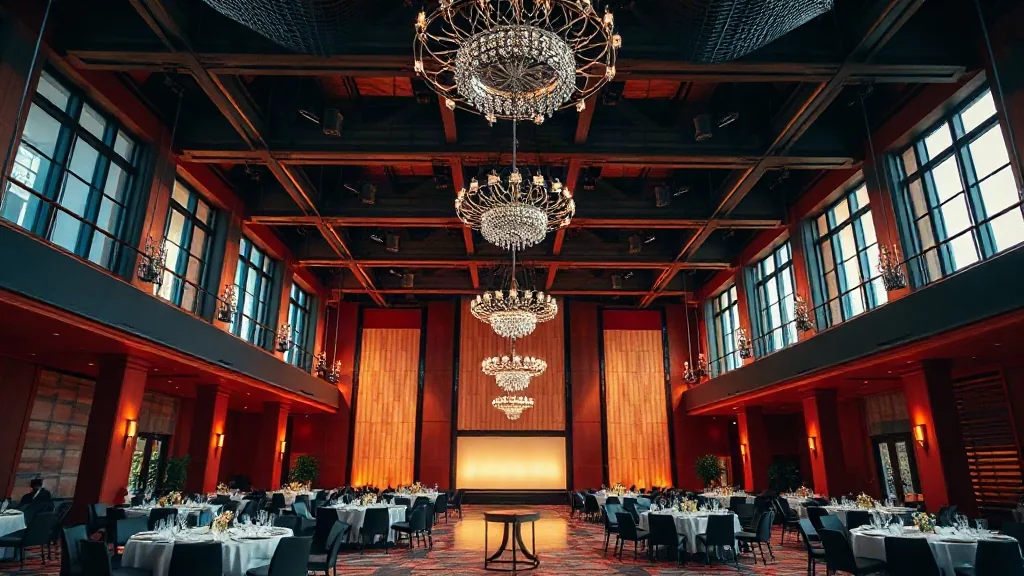
Thanksgiving week taught me that one conference can feed an entire year of communication. I planned a 210-person policy summit in DC last November, and the math from that single event still runs through my planning calendar. We pulled 34 assets out of two days of sessions, from a 90-second video recap to three full case studies. The production budget landed around $41,000, which stung until I priced what it would cost to chase that content separately across four quarters.
The backroom operation is the content pipeline
For the summit, I turned a small meeting room off the main ballroom into a capture studio. We had a corner for interviews, with one camera, a lapel mic, and a background screen we printed for $86. I reserved the space in the contract as an AV hold, but we paid for the days as a breakout. The difference was maybe $300 in room rental, but it gave the video crew a quiet, controlled space to work during meal breaks and sessions.
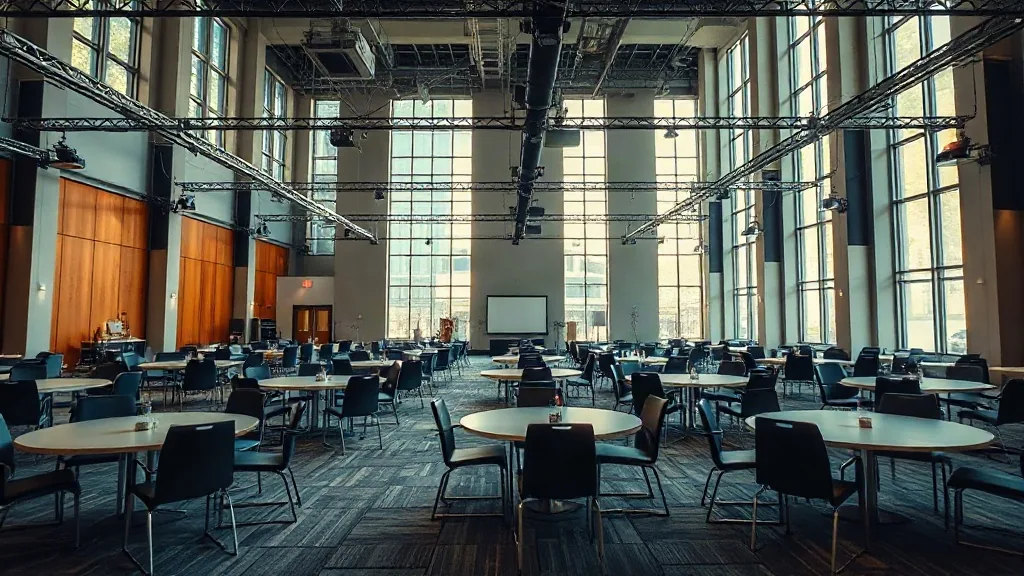
Each speaker came through that corner for a fifteen-minute recorded interview after their panel wrapped. The video team asked every speaker the same three questions about the key takeaway, the pushback they received, and the next step for the field. I didn’t design those questions, my production partner in a photo and video studio in Washington DC helped me build the script. From 44 speakers, we got 38 interviews that worked, and those interviews became our content inventory for the next eight months.
We broadcast one main feed daily next to a pull quote wall, and the crew cut those clips into speaker reels, which won us a renewing client relationship. In a different city, Chester, Pennsylvania clients regularly use production facilities for a similar setup when they need more square footage than a hotel suite. For my conference, the modified breakout worked because it was 25 feet from the main room where the speakers lingered. A separate production house a few miles away would have added drive time and lost that spontaneous interview with a cabinet secretary who only had a fifteen-minute window between vote calls. The first day of our shoot, a speaker who skipped their slot found me at the lunch buffet and we scheduled it for the next morning at 8 a.m. Gear was packed down by 8:20 and the crew got their light setup broken before the general session start.
Segment each session into three content tiers
I justified the budget by counting the after-video. One keynote, a debate over federal data privacy rules, produced six minutes of usable material. We cut it into a 90-second highlight reel, a 3-minute deep dive, and one full-length official record. Most planners dismiss the full recording as a throwaway, but on-demand viewing hit 4,200 plays, more than double our previous webinars.
For tier two, every session had a professional note-taker, not a stenographer. I hired a single person with deep policy knowledge at $125 an hour for both days, with the provision they work from backstage. What sounded like a significant fee for an extra body produced the backbone of our case studies. When I added up the time a marketing coordinator would need to transcribe and interpret five hours of speeches, the professional note-taker was worth it.
Segmentation worked best when planning the follow-up calendar before the event began. We had a whiteboard in the production office with all 40 sessions, color-coded by tier and holding dates for each resulting artifact. We decided there before Thursday whether a session about telehealth reimbursement would generate three videos or just a single speaker quote. We never invented content for media that were not relevant.
One caution: do not let session outputs match your least favorite speaker. We promised one especially long speech on agricultural policy a feature role in the document library and later realized no one would watch a 73-minute cut of a lecture read from a paper.
The publishing cadence depends on a small crew
A photo and video studio in Newport, Rhode Island once finished a forty-video project in four days for a coastal association. They warned me that post-production steals more time than capture. Choose a team that promised no edits on speaker video unless you explicitly approve the editing steps.

Clean audio is where every speaker clip rises or falls. We did audio checks the morning before every interview with a tablet read of three questions, so the recorded audio feed remained crisp. We lost one interview to poor lapel placement early, which reversed my decision on lavalier microphones in favor of interview microphones near the subject. Have a spare handheld mic available on set.
Small crews fail on naming. Our first take of one speaker landed in the archive as “Chris final 5.” That was Chris for the policy committee or Chris representing industry? We never determined who that was. Time did not exist to hunt for a single clip.
I try to run a template folder system for every event, and this same rule applies to an in-house team. Create named folders such as “Digital Campaign Output” next to the master presentation deck so the media server maps the order immediately. What looks like a minute of organization on day one saves real time when weekly delivery hits month four.
Since then, I can report a visible shift: my recorded client response rates to video pieces are nearly double what old white papers generate. That leap convinces leadership to keep funding video even when the bean counters want to cut.
Overhaul the conference wrap-up meeting
Instead of discussing satisfaction rates, my wrap-up meetings start with the editing timeline. We review what content needs a buy-off by Friday, what slides or approvals are missing from stage decks, and finally examine the raw assets against our list of commitments. We make a clear verdict on each item, never deferring a decision to a middle-of-nowhere calendar date.
Planners covering Philadelphia often hold this meeting at a restaurant with private dining so they can assign priority without staring at a projector room. Decide who comments on a presentation before the final top edit locks. With clients, designate one approver so we honor the different standards of every marketing associate company to deliver on deadline.
My colleague once told me that an anti-conference format changed how she thought about her next event. Meeting rooms in the circle feel like content generation factories in that format and reduce post-meeting cleanup work, but they also lose the gravitas that certain panels need for prime camera placement.
With content planners, I track delivery due dates on a dated checklist rather than a pile in a project folder. Any asset that misses its due date enters a “limp home” channel. The rule is simple: one person takes the item and owns its resurrection for the next release.
Writing what you committed to is where the strategy heals. We closed our last summit with a monthly content policy living in the documentation, not posted as a 28-page PDF. Make delivery milestones a line item in the conference budget summary with real clause names. If you cannot finish the video edit by Friday, block new calendar creation.
On this last batch, our revised estimate called for three planner hours per final asset. Production time fell faster than expected because the C-suite liked the early output and adopted some steps themselves.
If you see a report on your plan with thirty videos and no owner, schedule the coverage as if you plan a recurring event, then ask each department to commit to pre-determining its release week. That little schedule creates expectation that any single email thread cannot replicate.
You treat production like the event itself, with a team drawn in. Put the content generation date in the project calendar alongside your planning milestones.
If this roadmap sounds relevant now, send your next conference headcount and your planned primary session date by using this contact form. That number tells me where to begin, but we can talk content length on the call.