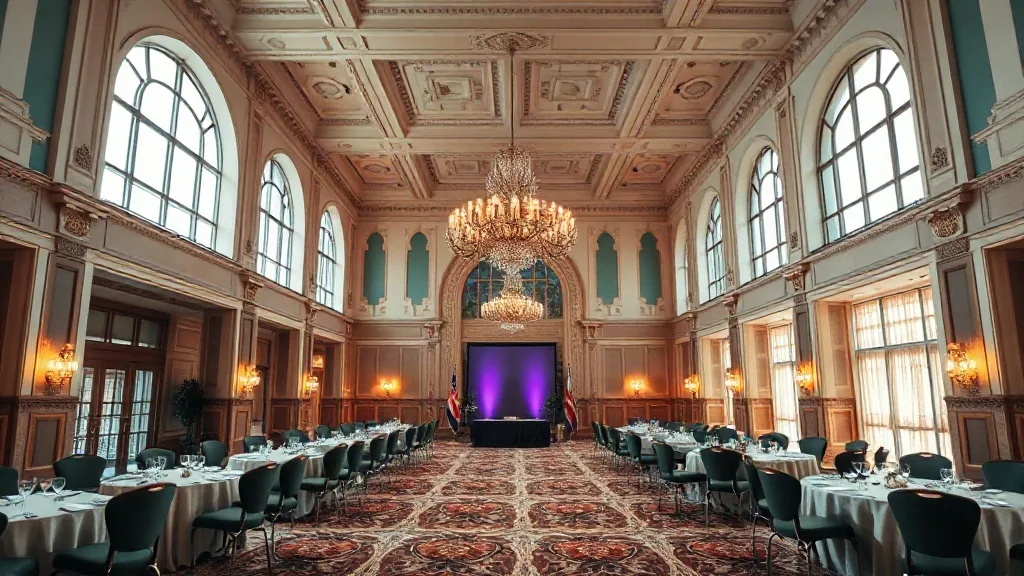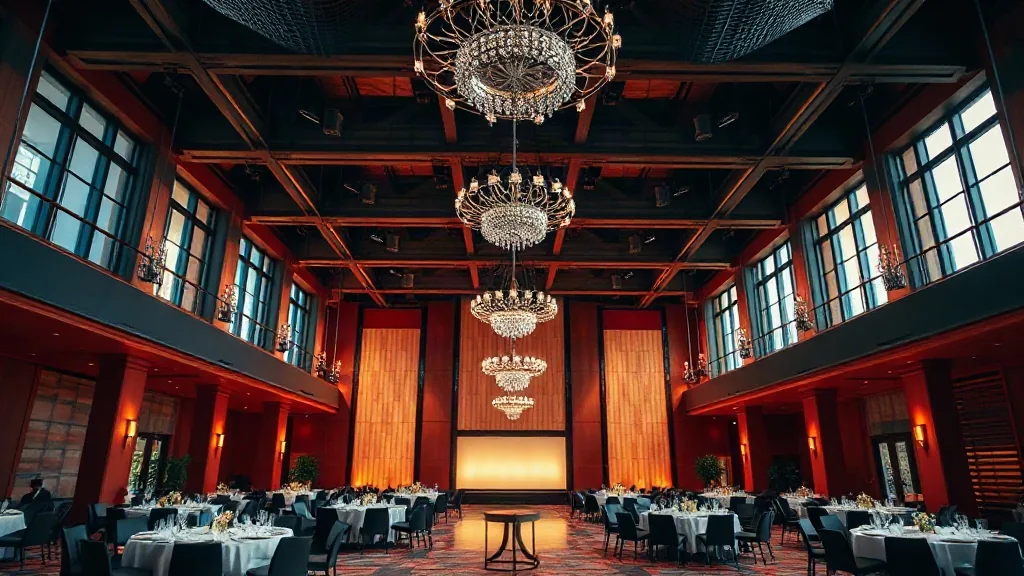
Photo Studio vs Industrial Loft for a Product Demo Event: Power, Light, and Load-In
Photo studios are built for controlled power loads and light management. Industrial lofts need lighting rigs rented in at $4,000-$9,000 per setup. The electrical comparison often decides the venue.

I’ve set up product demo events at both venue types. The photo studio was faster, cheaper on the day, and produced better video footage. The loft had better natural light for the press photos and cost $6,000 more by the time I priced the lighting rig.
The difference is electrical infrastructure. Here’s the full comparison.
Electrical Capacity: the Number That Determines Everything
A commercial photo studio is built for power loads. High-output strobes, continuous LED panels, power packs, background lighting, and product display lighting all draw significant amperage. A working studio designed for commercial photography has 200-400 amp service as a baseline, with multiple 20-amp circuits distributed throughout the shooting area.
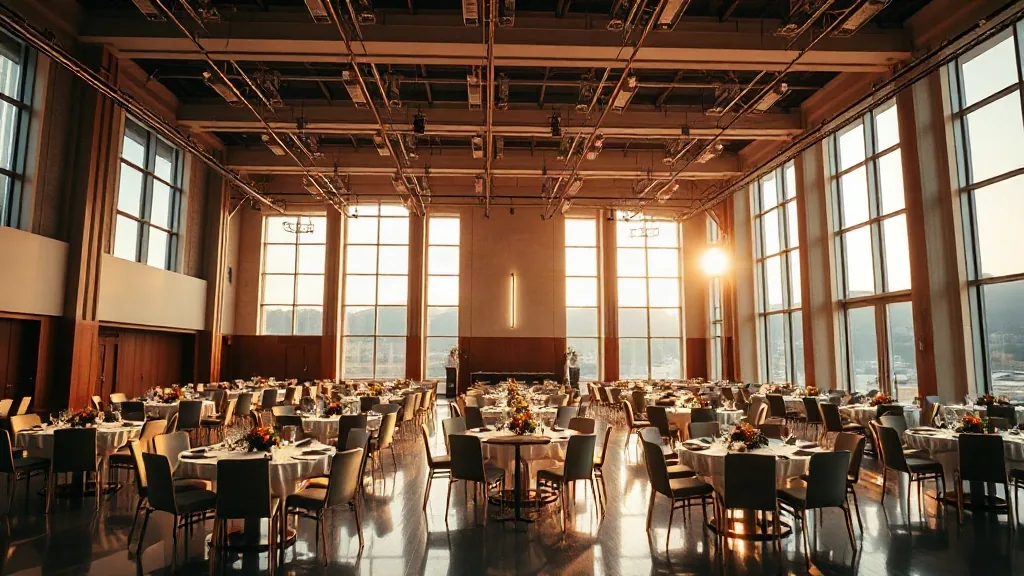
For a product demo event where you’re running display lighting for 8-12 product stations, three or four LED video panels for content display, AV equipment for a keynote segment, and catering equipment (hot holding, coffee service), you’re drawing 100-180 amps continuously. A commercial photo studio handles this without a generator supplement.
An industrial loft has electrical infrastructure designed for… whatever was manufactured there, which is now gone. The residential-grade or light-commercial electrical service left in a converted loft is often 100-150 amps on a panel that was last upgraded when the lease was signed in 2017. You may have 12-15 circuits, but they’re distributed around the perimeter for office use, not for event production.
When I audit an industrial loft for a product demo event, the first thing I check is the electrical panel. If it’s a single 100-amp service with no sub-panel, I’m budgeting $2,500-$4,500 for a generator rental and $400-$800 for the cabling to get power where I need it.
Lighting Control: the Photo Studio’s Core Advantage
The other thing photo studios are built for is controlling light. The cyclorama wall (the curved white background that creates a seamless floor-to-wall transition) is a neutral background that any product photographs beautifully against. The blackout curtains on the windows give you complete control over ambient light regardless of the time of day.
Industrial lofts have natural light, which is their aesthetic selling point. Natural light is beautiful for photography in the morning and completely unmanageable in the afternoon when the sun shifts and creates mixed color temperatures across your demo space. If your event runs from 2pm to 7pm and the west-facing windows are flooding with direct afternoon sun at 3:30pm, your product photography becomes inconsistent and your video footage requires significant color correction.
Controlling an industrial loft’s light for a product demo event requires blackout curtains (rental cost: $1,800-$3,500 for installation and strike) and supplemental lighting to replace the natural light you’ve blacked out. That supplement package (LED panels, grip equipment) runs $3,500-$6,000 from a lighting vendor.
Total lighting control cost for an industrial loft: $5,300-$9,500. At a photo studio: $0 (it’s built in).
Load-In and Production Comparison
| Factor | Photo Studio | Industrial Loft |
|---|---|---|
| Electrical capacity | 200-400A standard | 100-150A typical; generator may be needed |
| Lighting control | Blackout and cyclorama standard | Blackout rental required ($1,800-$3,500) |
| Supplemental lighting needed | None (house equipment available) | $3,500-$6,000 rental |
| Generator supplement | Rarely needed | Often needed ($2,500-$4,500) |
| Loading dock access | Usually purpose-built | Variable; often inadequate |
| Product display surfaces | Tabletops and stands available for rent | External rental required |
| AV infrastructure | Variable; some studios have it, some don’t | Variable; usually none built-in |
| Venue rental for 8-hour day, 2,000 sq ft | $1,800-$4,500 | $2,500-$6,000 |
Total Cost for a 100-Person Product Demo Event, Full Day
| Line Item | Photo Studio | Industrial Loft |
|---|---|---|
| Venue rental | $1,800-$4,500 | $2,500-$6,000 |
| Lighting control (blackout + supplemental) | $0-$800 | $5,300-$9,500 |
| Generator and power cabling | $0-$800 | $2,500-$4,500 |
| AV production | $8,000-$14,000 | $8,000-$14,000 |
| Product display furniture rental | $2,000-$4,500 | $3,500-$7,000 |
| Catering (external at both) | $4,500-$7,500 | $4,500-$7,500 |
| Total | $16,300-$32,100 | $26,300-$48,500 |
The photo studio saves $10,000-$16,400 on a 100-person product demo event. The industrial loft’s higher venue rental combined with the lighting and power add-ons consistently reverses what looks like a lower rental rate.
When the Industrial Loft Wins
The loft’s aesthetic is more flexible for product launches where the venue’s character is part of the brand signal. If you’re launching a product that’s meant to read as artisan, handcrafted, or urban-cool, a perfectly lit photo studio with a white cyclorama backdrop is the wrong environment. The loft’s exposed brick, the concrete floor, the raw structure: that sets a tone that a photo studio can’t replicate.
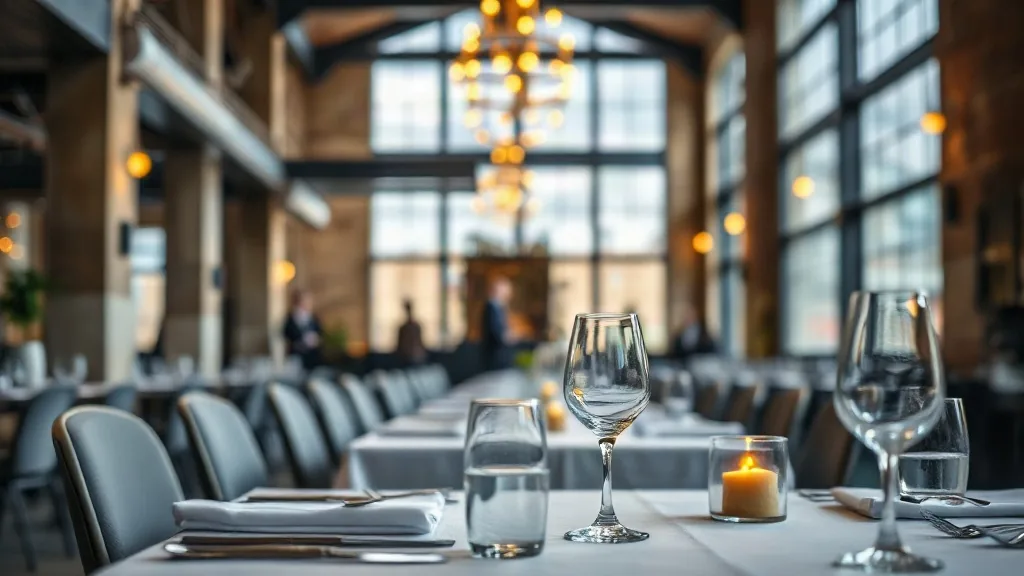
For a product demo event where press photography and social media content are the primary deliverable (rather than buyer interaction), the loft’s aesthetic can justify the add-on cost. If the photos will run in lifestyle media, the loft environment adds visual context that a photo studio doesn’t.
For events where hands-on interaction is the goal rather than photography, the photo studio’s controlled environment is almost always more efficient.
The Sound Environment Difference
Photo studios are designed for quiet. The production floor needs to record audio for video shoots without ambient noise intrusion. Most professional studios have acoustic treatment on the walls and ceilings to reduce echo and outside sound bleed. For a product demo event with a keynote presentation component, that acoustic environment translates to intelligible speech without sound reinforcement add-ons.
Industrial lofts are architecturally noisy. The concrete floors, exposed brick walls, and high metal ceilings are designed for aesthetics, not acoustics. Reverberation time in a 5,000-square-foot loft with hard surfaces is 1.5-2.5 seconds, which makes speech without a microphone and speaker array unintelligible at distances above 30 feet. An adequate audio reinforcement system for a presentation in this environment costs $3,000-$5,500.
A photo studio with acoustic treatment may need only $800-$1,500 in audio supplementation for the same presentation.
Loading Dock Access: the Comparison That Surprises
Photo studios in commercial or light-industrial zoning typically have loading dock access designed for camera equipment trucks and set-dressing vehicles. The dock is sized for a standard 24-foot truck, with a lift if needed. Product demo events require similar vehicle access to load in demo units, display fixtures, and branded environmental elements.
Industrial lofts in converted warehouse or factory buildings often have the original loading dock from the building’s manufacturing era. But many lofts in converted older buildings have had their loading docks removed during renovation to create street-level retail or a pedestrian-friendly entry. Check the actual current loading dock availability before you sign, not the original building photos.
Browse photo and video studios for events and industrial loft venues to compare electrical specs and load-in access in your market. For the AV production questions that interact with these venue types, see how to brief an AV vendor and how to scope AV for a conference.
Tell me your product type, your headcount, and whether your primary output is attendee experience or press content. Those three inputs determine the venue.